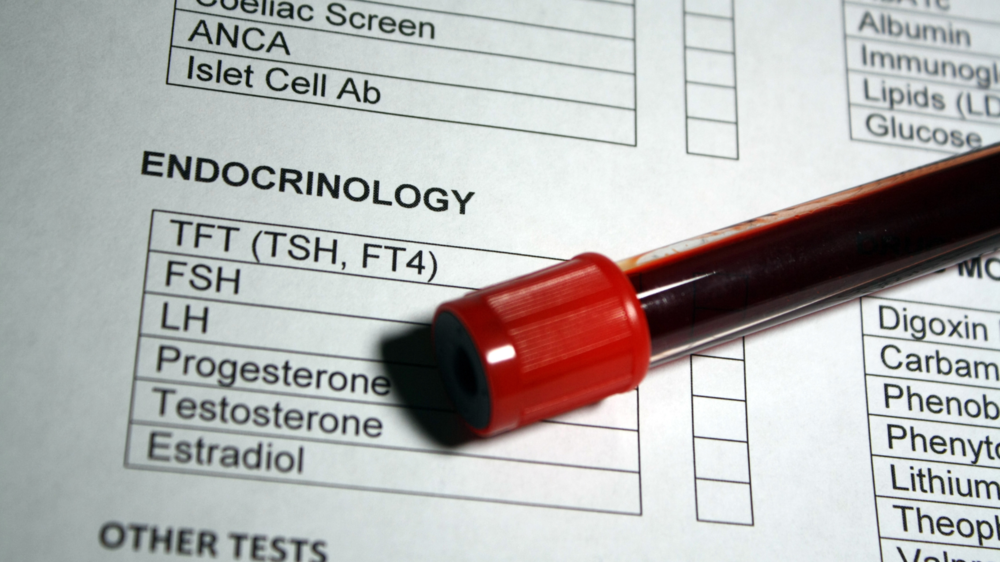
While oestrogen may be the reason for morning sickness or mood swings, it is also a key indicator of something crucial. Doctors closely monitor its level to determine whether your pregnancy is healthy or not.
What Exactly Does Oestrogen Do During Pregnancy?
Oestrogen is one of the vital hormones of pregnancy, along with others, such as progesterone and human chorionic gonadotropin, or hCG. Its level increases to almost 30 times higher than its normal range before conception.The high levels are necessary for you and your baby in the following ways:
- It helps in developing your baby’s lungs, liver, and nervous system
- Estrogen ensures there is uniform blood flow to your womb to nourish the placenta
- It works in conjunction with other hormones to prepare your body for milk production
- It maintains the balance of your emotions and energy
Why Do Doctors Monitor Oestrogen Levels?
Your body produces oestrogen naturally, but it still requires tracking. You may ask why? The fluctuation in its levels indicates how your pregnancy is progressing.Low oestrogen levels may indicate:
- A potential risk of miscarriage in early pregnancy
- Problems with the placenta, where it may not be functioning properly
- Intrauterine growth restriction (IUGR)
High oestrogen levels may indicate:
- Multiple pregnancies (like twins or triplets)
- Gestational diabetes or thyroid imbalance
- A molar pregnancy is one in which abnormal tissue develops instead of a healthy placenta, but it is extremely rare
How Do Doctors Track Oestrogen Levels?
Some common ways to track estrogen levels during pregnancy are listed below.Blood Tests (Estriol Test)
Blood tests are the most common method for measuring estriol (E3). It is a type of oestrogen that the placenta and your baby’s liver produce.- Typically done between weeks 15 and 20, as part of the triple or quadruple screening test
- Helps identify conditions like Down syndrome or neural tube defects in the baby
Urine Tests
Urine tests also show estriol levels, so your doctor may use them in combination with a blood test to confirm the results.Regular Prenatal Scans
Ultrasounds do not measure oestrogen levels directly, but they help the doctor relate your hormonal readings to your baby’s growth and amniotic fluid levels.Symptom Monitoring
Your body may exhibit signs of estrogen imbalance, such as severe fatigue, mood swings, or abnormal swelling. Discuss these symptoms during your prenatal checkups so that your doctor can do a hormone test.What Are Normal Oestrogen Levels in Pregnancy?
There are no set levels, but the following normal ranges of estriol (E3) levels can provide a general idea.- In the first trimester, it ranges from 1.0 to 5.0 ng/mL
- In the second trimester, it can be 5.0–15.0 ng/mL
- In the third trimester, it can be between 15.0 ng/mL and 45.0 ng/mL
What Happens If Your Oestrogen Levels Are Abnormal?
If your oestrogen levels are too high or too low, it may require further tests to confirm the problem.- Low oestrogen levels require additional monitoring through ultrasounds or blood work. Hormone supplements are also prescribed in some cases.
- High oestrogen levels may suggest gestational diabetes or thyroid problems, so further test is recommended before confirming anything.
How Can You Naturally Support Healthy Oestrogen Levels?
You can support your body by taking the following steps:- Eat foods rich in healthy fats, like avocados, nuts, and olive oil
- Drink fluids to support hormonal health and blood flow
- Engage in gentle exercise daily, such as walking or prenatal yoga, to improve circulation
- Sleep well to help your body adapt to hormonal changes more effectively
- Maintain low cortisol levels by minimising stress
What To Do Next: Your Quick Checklist
- Attend all your prenatal checkups and blood tests
- Be mindful of what you eat. Include fruits, veggies, and protein in your meals
- Monitor any unusual symptoms and report them to your doctor
- Take time to rest during the day
Emotional & Social Well-being
The impact of hormonal changes on your mind can be just as strong as it is physically. Feeling anxious, weepy, or overwhelmed is part of pregnancy.In this article:
Oestrogen levels are an important indicator of a healthy pregnancy. Tracking them during pregnancy helps your doctor know how your baby is growing. It also helps them understand that your body is adapting well to the hormonal changes. You can give your baby a healthy start by following your prenatal care plan and informing your doctor about any unusual symptoms as soon as possible.
Whether you’re pregnant, a new mom, or navigating postpartum, you don’t have to do it alone. Join our support group to connect, share, and support one another.
FAQs on How Doctors Track Oestrogen Levels to Monitor Pregnancy Health
- How often should oestrogen levels be checked during pregnancy?
The levels are tracked during regular checkups, especially during the second trimester. If you have a medical history of complicated pregnancies or hormonal problems, the test will be more frequent. - Can low oestrogen affect my baby’s growth?
Your baby’s growth depends on the placenta. It can be a problem when the oestrogen levels become low. However, it is a manageable condition if it is detected early. - Can diet or lifestyle changes improve oestrogen levels naturally?
Your overall hormones benefit from a healthy diet, low stress levels and drinking adequate water daily. Medical intervention is necessary in cases of major hormonal imbalance.