In this article:
Why Pregnancy Affects Joints
During pregnancy, the body goes through many changes that can affect joint health and movement.1. Hormonal Influence
- Relaxin, a key hormone during pregnancy, loosens ligaments and joints to prepare the pelvis for childbirth.
- Although this helps with childbirth, it can sometimes make the joints less stable, causing pain or strain in the hips, knees, or lower back.
- This effect from hormones can last for months after childbirth, so taking care of your joints after delivery is important too.
2. Weight and Posture Changes
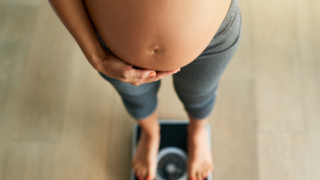
- As pregnancy progresses, body weight naturally increases, and the centre of gravity shifts.
- The spine and knees bear additional pressure, often resulting in lower back pain and joint stiffness.
- Flat feet or changed walking patterns can also contribute to knee or ankle discomfort.
3. Fluid Retention
- Water retention, a common occurrence during pregnancy, can cause mild swelling in joints and surrounding tissues.
- This swelling can cause numbness, tingling, or short-term pain, especially in the fingers and wrists.
- Sometimes, swelling can cause symptoms that are similar to carpal tunnel syndrome.
Can Pregnancy Trigger Arthritis?
In most cases, pregnancy does not cause arthritis, but it can reveal or aggravate existing conditions.1. Rheumatoid Arthritis (RA)
- Pregnancy can have a complex effect on RA.
- Some experience relief from RA symptoms during pregnancy due to immune system changes, while others may find the symptoms worsen.
- After giving birth, RA symptoms may return as hormone levels go back to normal.
2. Osteoarthritis (OA)
- People who are more likely to get osteoarthritis may notice more knee or hip pain during pregnancy because of extra weight and changes in how their joints move.
- The extra strain on joints can speed up wear and tear in people who are already at risk.
3. Reactive or Transient Arthritis
- Rarely, pregnancy can bring on temporary inflammatory joint pain, often due to infections, immune changes, or mineral imbalances.
- This usually resolves after childbirth or with proper care.
Identifying Pregnancy-Related Joint Pain
Joint problems during pregnancy can be hard to notice at first. Watch for these signs:- Persistent pain in the hips, knees, ankles, or wrists
- Morning stiffness that improves during the day
- Difficulty climbing stairs or getting up from sitting
- Swelling in fingers, wrists, or legs
- Clicking or popping joints when moving
How to Manage Joint Pain During Pregnancy
Addressing joint discomfort early can prevent it from escalating.1. Gentle Movement
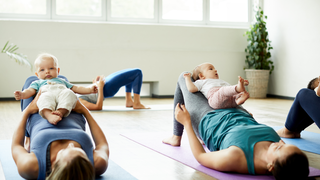
- Engage in light activities, such as walking or prenatal yoga, to keep your joints flexible.
- Avoid high-impact exercises that may strain unstable joints.
- Regular movement improves circulation and reduces stiffness.
2. Maintain Good Posture
- Use a small cushion to support the lower back when sitting.
- Avoid slouching or standing for long periods.
- Sleeping on the side with a pillow between the knees can reduce hip and back strain.
3. Balanced Nutrition
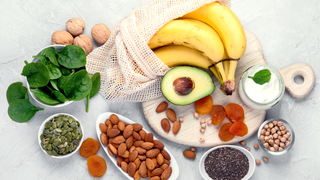
- Include calcium-rich foods such as milk, ragi, sesame seeds, and leafy greens.
- Vitamin D, obtained from sunlight exposure or dietary sources, aids in calcium absorption.
- Omega-3 fatty acids found in flaxseeds or walnuts may help reduce inflammation naturally.
4. Warm Compress and Massage
- Gentle warm compresses can soothe stiff joints.
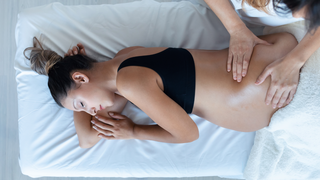
- Prenatal massages, performed by trained therapists, improve blood flow and reduce tension.
- Avoid direct heat or deep pressure on sensitive areas.
5. Comfortable Footwear
- Choose soft, cushioned shoes to support arches and reduce pressure on knees.
- Avoid high heels or completely flat footwear, as they can strain the spine.
6. Hydration and Rest
- Adequate hydration supports joint lubrication.
- Resting the body when it feels heavy or tired allows natural recovery.
When to Consult a Doctor
While mild joint discomfort is common, medical attention is important if:- Pain persists despite rest or home care
- Swelling is severe or uneven
- There is redness, warmth, or fever (possible inflammation)
- There is sudden difficulty in movement or standing
Pregnancy can change how your joints feel and work. Hormone changes, posture shifts, and weight gain can cause joint discomfort or even feel like arthritis for a while. Most of the time, these problems can be managed with care, and being aware of them helps a lot.
A balanced lifestyle with gentle movement, healthy food, and enough rest can really help reduce discomfort. Paying attention to your body’s needs can make pregnancy smoother and healthier, so you can feel comfortable as your baby grows.
Whether you’re pregnant, a new mom, or navigating postpartum, you don’t have to do it alone. Join our support group to connect, share, and support one another.
FAQs on Can Pregnancy Trigger Arthritis or Joint Pain? Understanding the Link and Relief Strategies
- Can joint pain during pregnancy lead to long-term arthritis later in life?
Not usually. Most joint pain during pregnancy comes from temporary hormonal and physical changes that go away after birth. However, if you have a family history or past injury, pregnancy can show joint problems sooner. Keeping a healthy weight, having good posture and staying active after childbirth can lower your risk of arthritis later. - Is it safe to take pain relief medication for joint pain during pregnancy?
Only with a doctor’s guidance. Many over-the-counter pain medicines are not safe during pregnancy. Doctors usually suggest non-drug options first, like gentle exercise, rest, or physiotherapy. If medicine is needed, your doctor will choose something proven safe for you and your baby.