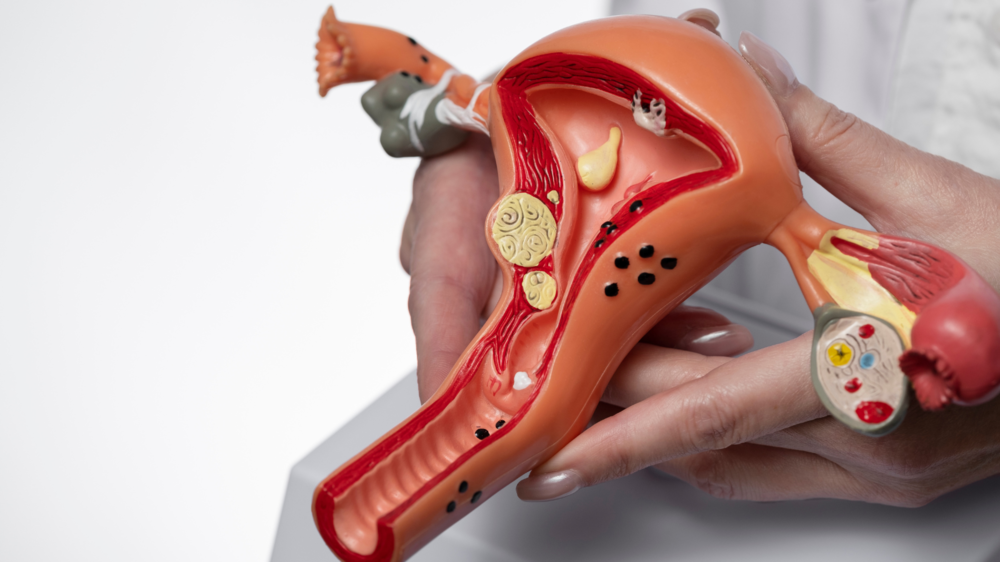
The Cervical Rim Explained
As your baby descends, the cervix must retract completely around the baby’s head.- What it is: The cervical rim is a small, undilated portion of the cervix, usually anterior (front) but sometimes lateral or posterior.
- Why it forms: Uneven pressure from the baby’s head or a tilted position in the pelvis can cause one section of the cervix to lag behind.
- What it feels like: Some women experience strong pressure or the irresistible urge to push, yet vaginal examination shows the cervix is not quite gone.
Why Progress Sometimes Pauses Here
Labour often appears to “stall” at this point, even with powerful contractions every two to three minutes. Several physiological factors explain the delay:- Unequal cervical thinning: The cervix may be thinner on one side; contractions must continue until the rim retracts uniformly.
- Foetal position: A baby in occiput posterior or asynclitic (slightly tilted) position presses unevenly on the cervix, prolonging this phase.
- Rapid descent: When descent happens faster than the cervix can retract, swelling may occur, creating a puffy rim that resists opening.
- Maternal posture: Lying flat can trap the rim under the baby’s head; upright or side-lying positions often relieve pressure.
What Your Body Is Doing
Though exhausting, this period is characterised by extreme coordination among the uterus, cervix, and pelvis.- Contractions peak in strength and duration, forcing the baby’s head lower.
- Cervical tissue becomes highly elastic under the influence of oxytocin and prostaglandins.
- The baby’s head rotates internally to align with the birth canal.
- Blood flow and adrenaline surge, sharpening awareness and producing shaking or nausea in some women.
When the Urge to Push Comes Too Soon
Around 9 cm, the foetal head presses on the pelvic nerves, producing a strong urge to bear down. Acting on it too early can cause:- Cervical swelling or tearing if the rim is forced before full dilation.
- Slower descent because the cervix must heal before it can open further.
- Foetal distress from prolonged pressure.
How Clinicians Manage the Cervical Rim
Medical management depends on how the cervix feels and how the baby is positioned:| Situation | Common Approach |
| Soft, thin rim | Wait and observe; continue natural contractions. |
| Swollen rim | Encourage side-lying or hands-and-knees positions to relieve pressure. |
| Anterior lip trapped by the baby’s head | Manual reduction during contraction. |
| Asynclitic head | Position change or rebozo technique to correct tilt. |
| Exhausted mother | Short rest with pain relief or epidural; contractions resume once relaxed. |
Patience at this point often prevents unnecessary intervention. If the rim fails to resolve after hours of strong labour or signs of distress appear, augmentation with oxytocin or assisted delivery may be discussed.
How Long Does It Last?
There’s no universal timeframe.- In first births, the rim phase may last 20 minutes to over an hour.
- In subsequent births, it can vanish within minutes.
- Epidural use or baby position may slightly prolong it, while upright movement tends to shorten it.
Coping When Time Feels Frozen
Even a few contractions can test endurance when you’re told “almost there.”- Change positions: Side-lying, kneeling, or leaning forward can help the cervix retract.
- Focus breathing: Short, open-mouth exhales prevent premature bearing down.
- Use cool compresses or touch: Physical grounding calms the adrenaline rush.
- Listen for cues: When your body shifts from pressure to an overwhelming reflex to push, it usually signals complete dilation.
After Full Dilation
Once the rim disappears, the body often transitions quickly into expulsive contractions. You may feel:- A sudden change in pressure, downward rather than tightening.
- Relief between contractions as the urge to push becomes rhythmic.
- Renewed focus or energy after the long plateau.
Risks and Precautions
Most women progress safely through this stage, but awareness helps avoid complications:- Cervical oedema: from early pushing or prolonged pressure; managed with position changes and reduced pushing efforts.
- Foetal heart-rate changes: continuous monitoring ensures the baby tolerates contractions.
- Exhaustion or dehydration: IV fluids or mild analgesia can stabilise energy before the pushing phase.
The stretch from 9 to 10 centimetres is small in measure but immense in experience. The cervix’s last rim embodies both the precision of anatomy and the patience of birth. Knowing what your body is doing helps transform fear into cooperation, one final act of trust before you meet your baby.
Whether you’re pregnant, a new mom, or navigating postpartum, you don’t have to do it alone. Join our support group to connect, share, and support one another.
FAQs on What Happens Between 9 and 10 cm Dilation: The “Rim” That Tests Patience
- Why does dilation stop at 9 cm?
Usually because a small portion of the cervix remains thicker or swollen. The baby’s position or rapid descent can create uneven pressure that takes time to resolve. - Can the rim be pushed past or manually removed?
Sometimes. If the cervix is soft and nearly gone, a skilled provider may gently hold it back during a contraction. This is safe only under supervision. - Is it dangerous to push before 10 cm?
Premature pushing can cause cervical tears or swelling. It’s best to wait for your doctor or midwife’s confirmation of full dilation. - How can I tell when it’s time to push?
Many feel an involuntary, downward reflex similar to needing a bowel movement. When this is strong and continuous, and your care team confirms full dilation, it’s time.