In this article:
What Is a VBAC & Why Is It Considered Carefully?
A VBAC is when you have a normal birth after you had a C-section before. Lots of individuals can do it safely. About 60% to 80% of individuals who try for a VBAC can have a successful vaginal birth.However, doctors consider several factors first to determine if it’s a good idea for you. This includes:
- The reason for the need for a C-section last time
- The time gap between two pregnancies
- The way your scar healed
- Your overall weight and health
How Does Your Weight Affect the Safety of a VBAC?
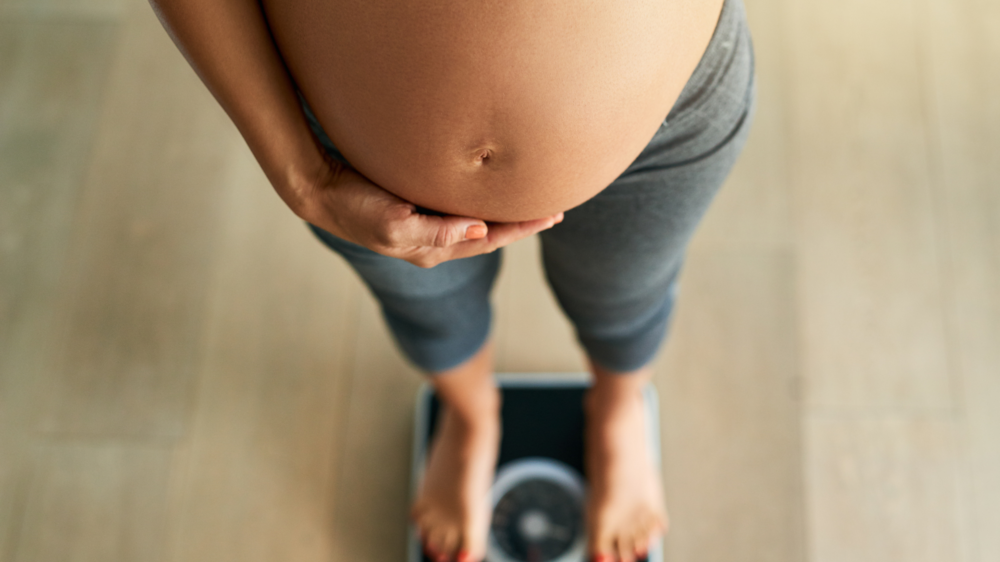
Your weight significantly impacts your body's endurance, hormonal balance, and the growth of your baby. When you're getting ready for a VBAC, here's how weight management becomes crucial:- Being overweight can make labour harder and take longer since extra fat can hamper your uterine contractions
- Extra fat can also put more stress on your C-section scar, which may increase the risk of tearing a bit more
- If you’ve a high BMI or Body Mass Index, you’re more likely to get high blood pressure or gestational diabetes, which can make a VBAC riskier
- If you need an emergency C-section, being overweight can make it harder to get anaesthesia and heal afterwards
What Can Being Overweight Cause During a VBAC Attempt?
Being overweight doesn't mean you're not eligible for VBAC; it just means your doctor will pay more attention to you. Studies show that individuals with a BMI over 30 have a slightly harder time with a VBAC, often due to slow labour or more medical help being needed.This could mean:
- A higher possibility you’ll need to have your labour induced
- Slower dilation of the cervix
- A higher chance of wound infections if you end up needing surgery
Can Being Underweight Impact VBAC, too?
Yes, though it’s not common, being underweight can cause problems. Low weight may lead to weaker muscles or nutritional deficiencies, which can affect your stamina during labour. It can also increase the risk of having an underweight baby, which may bring other complications.Balancing your weight is the key.
How Much Weight Should You Gain for a Successful VBAC?
According to medical guidelines, it really depends on your BMI before you conceive:- If you were of normal weight (BMI 18.5 - 24.9), aim to gain about 11 to 16 kg
- If you are overweight (BMI 25-29.9), target a weight loss of about 7–11 kg
- If you were obese (BMI ≥30), you shouldn’t gain more than 5 to 9 kg
Emotional & Social Aspects of Weight Gain
Weight can sometimes affect your confidence, particularly when you're preparing for labour. Feeling stressed or anxious about your body is a normal reaction. Just remember that your ability and worth to have a baby aren’t about a number.Talk to your partner or family about what’s bothering you. Having people who support you can make a significant difference in managing stress and maintaining your health. For a successful VBAC, emotional strength is as important as physical readiness.
When to Discuss Weight Management with Your Doctor?
You should discuss your weight with your doctor as early in pregnancy as possible, or ideally, before conception. See a doctor right away if you notice:- Puffiness in your face, hands, or feet
- Quick or surprising weight gain
- Feeling extremely tired or having trouble breathing
- Signs of gestational diabetes or high blood pressure
What Are the Further Steps?
- Ask about the ideal range of weight to maintain during and before pregnancy
- Keep a food and exercise diary to stay on track
- Attend your doctor’s appointments regularly to monitor your blood pressure, weight, and blood sugar levels
- Discuss VBAC options beforehand with your healthcare team so they can take the necessary actions accordingly
- Seek emotional support from your friends, partner, or a counsellor if you feel stressed about your body changes
Remember, every pregnancy is unique. Stay in the loop, ask for support, and trust your body's strength as you do something incredible.
Whether you’re pregnant, a new mom, or navigating postpartum, you don’t have to do it alone. Join our support group to connect, share, and support one another.
FAQs on Why Weight Management Plays a Role in VBAC Safety
- Can I plan for a VBAC even after being overweight?
Yes, you can. Many overweight individuals have safe and successful VBACs. You'll just need closer monitoring, have a birth plan made just for you, and make some lifestyle modifications under your doctor’s supervision. - What are the safest ways to stay in shape when pregnant?
Easy activities, such as walking, prenatal yoga, and swimming, are generally considered safe to do during pregnancy. Please consult your doctor first before starting. - Can losing weight before pregnancy increase VBAC success?
Yes. Maintaining a healthy weight before pregnancy can improve safety for VBAC and lower risks like gestational diabetes and high blood pressure. Even slight weight loss before conception can make a big difference.