In this article:
What Changes Take Place Soon After Delivery?
Leaving the Warmth
Your baby’s temperature remains almost similar to yours while being inside the womb. To maintain consistency and warmth, the placenta, blood flow, and amniotic fluid work together. But after birth, things change:- The placenta no longer controls temperature
- Amniotic fluid goes away
- The baby now deals with a cooler environment
Exposure to Air Leads to Heat Release
Air rapidly releases heat. Inside the womb, your baby stays in a warm, liquid environment. After birth, the air feels cooler to them, even in a well-heated delivery room. Heat loss takes place through:- Your baby’s skin
- Evaporation of fluid on the skin
- Inhaling cooler air
Wet Skin Increases Heat Loss
Newborns are covered in amniotic fluid and blood when they’re born. As this fluid dries, it cools the baby down. This is called evaporative heat loss and is a significant cause of temperature drops right after delivery. Drying the baby quickly helps inhibit this process.Limited Fat for Insulation
Adults stay warmer more easily because they have more body fat. Newborns have very little regular fat, especially if they are premature or small for gestational age.While babies do have brown fat, it doesn’t generate heat instantly. Babies are more prone to losing body heat until they are fully awake.
Newborns cannot Shiver When They’re Cold
When you feel cold, your body shivers to generate heat, which newborns cannot do. Instead:- They depend on brown fat to generate heat
- They need additional warmth from their surroundings
- They need help to maintain the temperature
How does the Baby’s Body and Medical Team Help Them Feel Warm?
Brown Fat Supports Heat Generation
Babies are born with brown fat around their shoulders, neck, and back. This fat helps them stay warm if they get cold. However:- It takes time to activate
- It uses a lot of energy
- It works best when supported with warmth
Skin-to-Skin Contact Is a Natural Heater
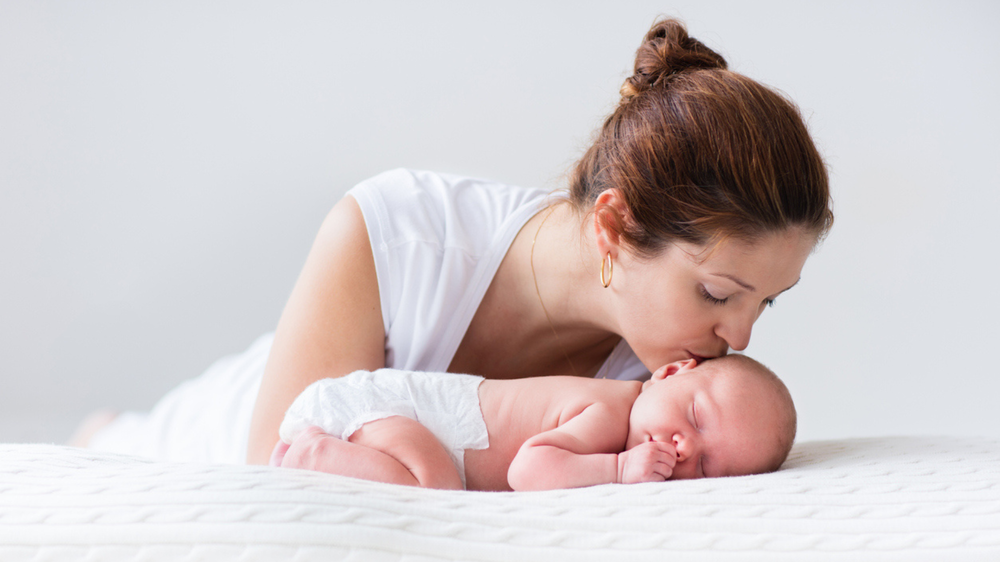
One of the most effective ways to warm a newborn is by placing them directly on your chest. Skin-to-skin contact:- Transfers warmth from your body to the baby
- Stabilises heart rate and breathing
- Helps regulate blood sugar
- Reduces stress for both of you
Drying and Wrapping the Baby
Immediately after birth, the care team:- Dries the baby thoroughly
- Covers them with warm towels or blankets
- Places a cap on the baby’s head
Warm Delivery Rooms and Radiant Warmers
Delivery rooms are kept at a warm temperature to minimise heat loss in newborns. If the baby needs additional warmth, they are placed under radiant warmers. These warmers help by:- Offering regulated heat
- Letting doctors safely check on the baby
- Preventing further temperature drops
Early Feeding Keeps Them Warm
Whether you are breastfeeding or using formula milk, early feeding provides energy by:- Supporting their digestion
- Activating brown fat to produce heat
- Lowering the likelihood of low blood sugar
Why Do Doctors Monitor Temperature Closely?
In the initial hours after a baby is born, their temperature is regularly monitored. This is not because something is wrong, but because early temperature control is critical. If the baby gets too cold, it can cause problems with:
- Breathing
- Blood sugar levels
- How the body uses oxygen
When Does Temperature Drop Need Extra Attention?
In most babies, temperature stabilises quickly. But extra care is needed if:
- The baby is premature
- The baby has low birth weight
- There was a long or complicated delivery
- The baby has breathing difficulties
What Parents Should Know and Expect?
A Mild Temperature Drop Is Common
A small drop in temperature immediately after birth is expected. This doesn’t indicate your baby is unwell. Generally, with the right care, most babies:- Get warm in the first hour
- Keep a steady temperature after that
- Don’t have lasting problems
Why Newborns Feel Cool to the Touch?
It’s not unusual for a baby’s hands and feet to feel cool, even if their core body temperature is just fine. To check warmth:- Touch their chest or back, instead of their hands or feet
- Feel for warmth, not sweat
- Rely on the temperature readings checked by medical professionals
How Can You Support Your Baby’s Warmth?
Your support is also important. Here’s how you can help:- Hold your baby in skin-to-skin contact
- Keep your baby covered
- Keep your baby away from drafts
- Feed your baby properly
Drying, wrapping them up, skin-to-skin contact, and keeping a close watch will help your baby’s temperature return to normal quickly. It's normal for their temperature to drop as they get used to life after birth.
Whether you’re pregnant, a new mom, or navigating postpartum, you don’t have to do it alone. Join our support group to connect, share, and support one another.
FAQs on Why a Newborn’s Body Temperature Drops After Birth
- Does a sudden temperature drop after delivery happen to every newborn?
A subtle drop is expected and usually gets back to normal quickly with warmth and care. - How soon does a newborn’s temperature stabilise?
Most babies stabilise within the first hour, especially with skin-to-skin contact. - When should I worry about low temperature in a newborn?
If, even after warming, the baby is still cold, seems tired, or isn’t feeding well, get medical help. But these scenarios don't occur with proper care.