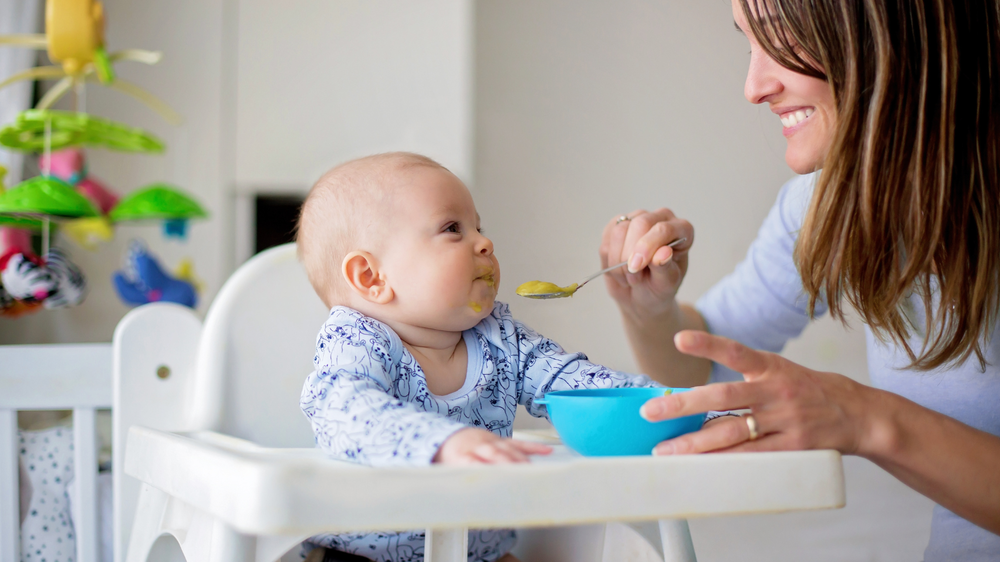
In India, family meals are full of flavours and traditions. The focus should be on nourishing your child, not counting numbers. Let’s look at practical caring ways to support health without restricting food.
1. Trust Your Toddler’s Appetite
Children naturally know when they are hungry or full. As adults, our job is to support this, not take control.Ways to build trust:
- Offer regular meals and snacks at predictable times.
- Allow toddlers to decide how much to eat from what’s served.
- Avoid insisting on “just one more bite”.
- Respect when they say they are full.
When toddlers learn to listen to their bodies early, they build healthy eating habits for life. Research shows that forcing kids to eat or restricting food can backfire and lead to overeating later.
2. Build Balanced Plates with Local Foods
Healthy eating for toddlers isn’t about counting calories. It’s about offering a balanced and colourful plate.Focus on:
- Variety: Include grains, pulses, vegetables, fruits, dairy, and small portions of fats.
- Local ingredients: Use familiar, seasonal foods like dal, chapati, rice, curd, banana, papaya, and green sabzis.
- Natural textures: Encourage chewing by offering soft yet textured foods, such as khichdi, idli with vegetables, or mashed roti with ghee.
3. Avoid Labelling Foods as ‘Good’ or ‘Bad’
Food should never make anyone feel guilty. If some foods are off-limits, toddlers may want them even more out of curiosity.Instead of restriction, focus on:
- Frequency and context: Desserts or fried snacks are fine occasionally as part of family meals.
- Language: Use neutral terms like “everyday foods” (like fruits and dal) and “sometimes foods” (like sweets or chips).
- Enjoyment: Allow toddlers to try all foods in moderation. The goal is balance, not to make them afraid of certain foods.
4. Make Family Mealtime a Shared Joy
Toddlers learn best by watching others. Eating together shows them how to eat, talk, and enjoy food in a healthy way.How to make meals enjoyable:
- Eat together whenever possible.
- Keep screens and distractions away.
- Encourage conversation rather than correction.
- Serve the same food to everyone, with minor adjustments if necessary.
5. Encourage Active Play, Not Exercise
A healthy weight isn’t just about food. Movement matters too, but toddlers don’t need exercise routines. They just need time to play.Encourage:
- Outdoor games like running, cycling, or playing in the park.
- Free play indoors, like dancing, climbing, or pretend games.
- Helping with small chores like carrying vegetables or folding napkins.
6. Keep a Calm Food Environment
Children pick up on emotions easily. If mealtimes are tense, they might start to feel stressed about eating.To create calmness:
- Avoid discussing weight in front of toddlers.
- Don’t compare their appetite to that of another child.
- Let meals be about togetherness, not control.
7. Mind Portion Sizes Without Restriction
In India, showing love often means serving extra food, but toddlers have small stomachs and don’t need as much.A simple guide:
- Offer small servings first; more can always be added.
- One toddler-sized portion of dal, half a roti, and a few spoons of rice is often enough.
- Offer water between meals rather than filling them up with milk or juice.
8. Respect Growth Patterns, Not Just Weight
Every child grows at their own pace. Some are naturally slim, while others are rounder. The most important thing is steady growth on their own path.Watch for:
- Consistent growth in height and weight over time.
- Energy levels and active play.
- Normal appetite and sleep.
Supporting a healthy weight in toddlers isn’t about cutting back. It’s about trusting your child. When you create a calm environment, serve balanced Indian meals, and encourage play and joy, you help your child build healthy habits for life. Growth is a journey, not just a number. Celebrate nourishment, connection, and love at every meal.
Whether you’re pregnant, a new mom, or navigating postpartum, you don’t have to do it alone. Join our support group to connect, share, and support one another.
FAQs on Raising Balanced Eaters: Supporting Healthy Weight in Toddlers Without Food Restrictions
- Should I worry if my toddler eats very little on some days?
Not always. Toddlers’ appetites can change from day to day, depending on growth, activity, and mood. What matters is their eating pattern over a week, not just one meal. Offer small, frequent meals and trust their hunger cues. Pressuring them to eat can make things harder. If your child is playful and active, they are likely doing well. - How can I handle family members who insist on overfeeding my toddler?
This is a common concern in Indian families, where showing love often means encouraging kids to eat more. Gently explain that toddlers have small appetites and know when they are full. You can involve family by asking them to offer healthy snacks like fruit or curd instead of extra sweets. Encourage everyone to focus on enjoying time together, not just on how much your child eats. Over time, they’ll see that a relaxed approach helps your toddler eat better and feel happier.