Most fertility treatments focus on therapies and medical interventions, yet people somehow forget that nutrition impacts fertility potential. A well-structured, balanced diet is crucial for regulating the menstrual cycle, supporting ovulation, increasing sperm count and quality, calming inflammation, and increasing fertility.
Nutrition and Fertility
Hormones, including oestrogen, progesterone, testosterone, LH, FSH, and thyroid hormones, thrive on nutrition. Omega-3 fatty acids, B vitamins, zinc, and iodine are crucial for hormone synthesis. Both undernutrition and overnutrition can disrupt these hormone functions and potentially lead to reproductive health issues.
Diet directly impacts egg maturation, sperm count, motility, and DNA fragmentation. Consuming animal protein reduces testosterone in women, which can be beneficial for PCOS. Omega-3 fatty acids reduce ovarian inflammation. Studies indicate that consuming omega-3 may result in positive IVF outcomes by reducing inflammation and supporting egg quality. Vitamin E and selenium improve sperm motility and reduce oxidative damage.
Key Nutrients to Increase Fertility
- Folate: Folate is a B vitamin, crucial during pregnancy. Folate supports DNA synthesis and embryo development. Natural sources of folate are vegetables, legumes, nuts, greens, lentils, and fortified grains.
- B Vitamins: Vitamin B6, B12, and riboflavin play a huge role during pre-pregnancy and pregnancy. Vitamin B6 supports the metabolism of estrogen and progesterone. B12 helps improve sperm concentration and motility. B Vitamins also work as antioxidants and reduce oxidative damage to gametes and the reproductive tract.
- Omega-3 Fatty Acids: These support hormone production, egg quality, embryo development, sperm motility, regulate the menstrual cycle, and reduce inflammation. Fatty fish, flaxseed, chia seeds, and walnuts are rich in omega-3 fatty acids.
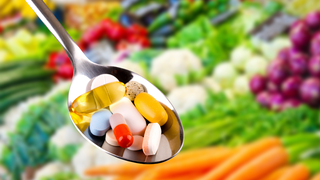
- Antioxidants: Vitamin C, E, zinc, and selenium are necessary antioxidants needed to prevent oxidative stress, which can cause infertility issues. Berries, citrus, leafy vegetables, carrots, whole grains, and fish have a natural supply of vitamins A, C, E, selenium, and zinc.
- Iron and Zinc: Iron is crucial for oxygen transport, cell division, and DNA synthesis. Iron maintains haemoglobin levels and prevents iron deficiency. Iron deficiency may contribute to infertility and cause pregnancy complications. Zinc protects gamete damage and increases fertility.
- Coenzyme Q10: It may support mitochondrial health, reduce oxidative stress, and improve sperm quality.
Fertility Diet Framework
Mediterranean Diet
Consuming high amounts of vegetables, fruits, whole grains, extra virgin olive oil, legumes, nuts, seeds, and fish multiple times per week, and avoiding refined carbs, meat, and sugar are the principles of the Mediterranean diet.This diet particularly limits red meat, processed meat and food, and refined sugars. The Mediterranean diet has been proven to support hormone synthesis, increase ovarian function, sperm quality, and reduce oxidative stress.
Anti-inflammatory Diet
It is designed to reduce the “dietary inflammation score” and oxidative stress. It supports people struggling with endometriosis, autoimmune disease, and chronic inflammation.Taking a high amount of anti-inflammatory foods, including colourful vegetables and fruits, nuts, omega-3-rich fish, turmeric, and ginger, helps improve female reproductive function and semen quality.
Low-Glycaemic Diet
A low-carb or low-GI diet has been shown to improve menstrual cycle, ovulation, and reduce insulin resistance, androgens, and may increase conception rates. Including high-fibre foods, whole grains, proteins, low-sugar fruits and avoiding refined carbs are the principles of the Low-Glycaemic diet.Foods to Improve Egg and Sperm Quality
To support egg health, cellular repair and hormone balance and reduce oxidative stress, foods rich in folate, iron, vitamin C, antioxidants, and omega-3 fatty acids are crucial. Green leafy vegetables (spinach, kale), berries (blueberries, strawberries, raspberries ), fatty fish (salmon, mackerel, sardines), nuts and seeds, avocado, whole grains, citrus foods, Greek yoghurt, beans and lentils should be incorporated into your daily diet.What to Avoid When Trying to Conceive
When you are trying to get pregnant, you should limit and completely avoid certain foods that can interfere with ovulation, increase inflammation, and reduce hormonal functions and sperm quality.
- Processed Meat: Bacon, sausages, and hot dogs contain trans fats, saturated fats, and additives that can damage sperm quality and ovulation and can directly reduce fertility.
- Refined Carbohydrates: Highly processed carbs, including white bread, desserts, cereals, and pastries, spike insulin levels and impair ovulation. These are low in fibre and high in refined sugars, which can lower fertility.
- Sugary Beverages: Sweetened sodas and energy drinks can increase inflammation, insulin resistance and lower egg and sperm quality and quantity.
- Caffeine: Drinking high amounts of caffeine can increase the risk of infertility and miscarriage. Consuming less than 200mg per day is generally considered safe.
- Unripe Papaya: Due to latex content, unripe papaya may cause uterine contractions and increase the risk of miscarriage.
- Alcohol and Smoking: Alcohol negatively affects ovulation, and smoking increases oxidative stress and damages eggs and sperm. Both lead to fertility risk and miscarriage.
Lifestyle Factors to Improve Fertility
Along with consuming good food, maintaining a healthy lifestyle paves the way to parenthood.
- Sleep at least 7 to 8 hours
- Exercise at least 3 to 4 days a week
- Manage stress by practising yoga, meditation, and grounding exercises
- Reduce chemical and toxin exposure
- Avoid prolonged heat exposure
- Don't sit for long hours with the laptop on your lap
- Treat underlying conditions such as PCOS, irregular menstrual cycle, and thyroid
Fertility depends on all the factors of your life. Balanced food, proper rest, and a healthy lifestyle are crucial for increasing your conception rate. If you have any underlying conditions such as endometriosis, hypothyroidism, or PCOS, consult with your doctor before planning a diet on your own. While treating these conditions, getting a fertility-friendly diet and consuming fertility-boosting foods increases your chances of conception and makes your pregnancy journey happy and healthy.
You’re not alone in your journey when trying to conceive. Join our supportive community to connect with others, share experiences, and find encouragement every step of the way.
FAQs on Boost Fertility Naturally With Nutrition: Fertility Diet Dos and Don'ts
- What to drink to conceive faster?
Hydration is crucial for fertility. Drink 3 to 4 litres of water daily to flush toxins, improve hormonal function and create fertile cervical mucus. Along with these, drink whole milk, yoghurt, and fruit juices, including oranges, grapefruit, pomegranate, guava, and strawberries, to support fertility. - What makes a woman most fertile?
A woman is fertile between late teens and late 20s. After 30 years of age, egg quality and quantity gradually start to decline. Predictable menstrual cycle, ovulation, healthy BMI, balanced nutrition, optimal hydration, long rest, regular exercise, and zero unhealthy behaviours, including smoking, vaping, alcohol, and stress, are crucial to improve fertility.