In this article:
Why Do You Get Weird Food Cravings When You’re Pregnant
Usually, these taste changes during pregnancy happen because of hormones. But hormones are only one part of the story. Here’s what else could be going on.How Do Hormones Change Your Taste Buds
When you’re pregnant, your oestrogen and progesterone surge significantly. These hormones change how your taste buds perceive things. Sweet treats might taste even sweeter, bitter foods can get more intense, or salty foods just seem gross. Research states these hormones can mess with your sense of taste by as much as 30 to 40%, especially in the early months.Why Do You Crave Some Foods and Dislike Others
Aversions and cravings are the two sides of the same coin. Here's why they happen:Can Your Body Signal Nutritional Needs Through Craving
Sometimes, cravings are your body's way of telling you what it actually needs. For example:- Craving citrus fruits might indicate that your body lacks vitamin C.
- Craving salty snacks may be linked to low levels of sodium, particularly in hot climates.
Why Do Aversions Become So Intense
If you suddenly start lacking interest in your favourite food, you're not the only one. Nearly 60 to 70% of expecting mothers deal with food aversions. The most typical triggers include:- Oily or fried foods
- Intense smells
- Spicy dishes
- Eggs or meat
How Does Smell Change Your Food Preferences
The smell and taste are closely linked. In fact, almost 80% of what you taste is actually what you smell.Why Do Smells Feel More Intense During Pregnancy
Many individuals develop hyperosmia during pregnancy, which means increased sensitivity to smell. This strong sense of smell can make foods taste:- Too spicy
- Too oily
- Too strong
- Too discomforting
Do Taste Changes Have Anything to Do with Morning Sickness
How Does Nausea Impact Your Food Choices
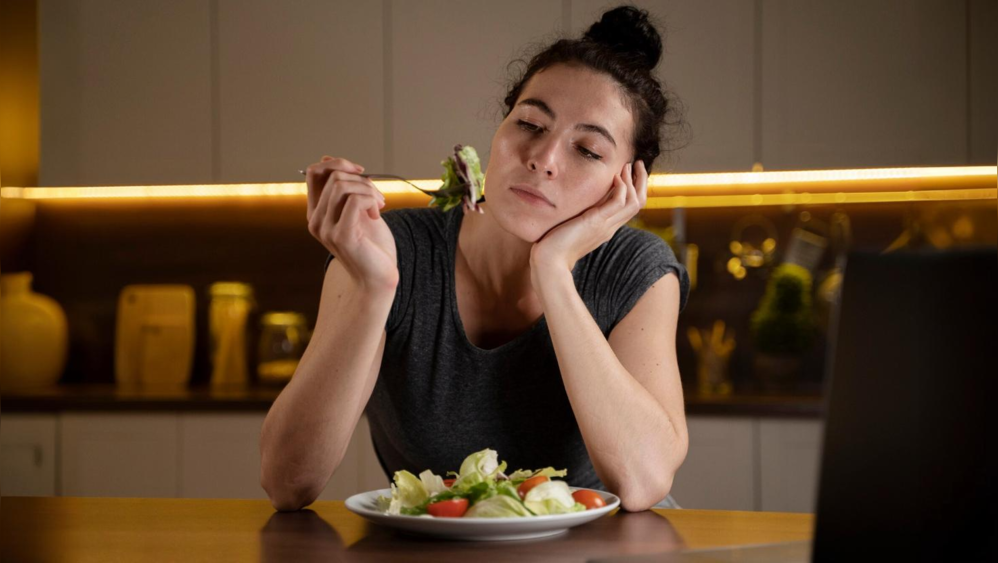
If you have to deal with morning sickness, particularly in the first trimester, you might feel nauseous even at the sight or smell of certain foods. This is because your stomach becomes more sensitive, leading to:- Loss of interest in favourite foods
- Lack of appetite
- Preferences for simple, mild-spicy foods
Do Taste Changes Impact Your Baby’s Growth?
Should You Worry About Nutritional Balance
Subtle changes in taste do not mess with your baby's development. Your body is designed to protect your baby and will draw nutrients from your food and stored reserves. Nevertheless, you should speak to a doctor if you encounter:- Persistent vomiting
- Major weight loss
- Severe food aversions
How Can You Comfortably Manage Taste Changes?
What if your favourite food doesn’t taste the way it used to
- Choose subtle, comforting foods in the first trimester.
- Try cold meals as they smell less strongly than the hot ones.
- Stick to fresh foods if you can handle them.
- Try natural flavours such as ginger, mint, or lemon.
- Eat small portions but frequently to avoid getting sick.
Should you forcefully eat foods you dislike
No. You must not force yourself to consume something that leads to nausea. You can use any healthy alternative instead. For instance:- If milk doesn’t suit you, try paneer or curd.
- Don't like chapati? Rice or millet could be a better option.
- If vegetables feel dull, maybe smoothies or soups would do the trick.
When Do You Need Medical Help
Seek medical help if you encounter:- Inability to eat for a prolonged period
- Severe vomiting
- Extreme weakness
- Weight loss
- Too much craving for non-food items like clay, ice, or chalk
What’s Next?
- Keep a tab on the foods that cause nausea.
- Identify foods you tolerate well and keep them with you.
- Drink plenty of water frequently throughout the day to avoid dehydration.
- Continue prenatal check-ups and discuss any strong aversions.
- Talk to your family or partner about your modified food preferences, that way you can stay relaxed.
Social & Emotional Considerations
Taste changes can be a real pain. It’s annoying when your favourite food suddenly tastes awful or when certain smells start bugging you. This is normal. Discuss your preferences directly with your partner. You may even discover new foods you enjoy together during this time. Empathy and emotional bonding play a significant role in creating a supportive environment for you.When you’re pregnant, your taste can change a lot. Your hormones, what your body needs, a stronger sense of smell, and morning sickness might be some remarkable causes behind this. Sounds weird, but it’s usually not a big deal and won’t stick around forever. If you know why it happens and change what you eat, you can feel better and make sure both you and your baby get enough nutrition.
Whether you’re pregnant, a new mom, or navigating postpartum, you don’t have to do it alone. Join our support group to connect, share, and support one another.
FAQs on How Pregnancy Changes the Taste of Your Favourite Foods
- Do these taste changes stick around for the whole pregnancy?
In most individuals, taste changes improve after the first trimester. However, some preferences may persist till delivery. - Can changing taste be an early sign of pregnancy?
Yes. Some individuals deal with increased sensitivity to taste and smell even before a missed period. - Is it safe to follow pregnancy cravings?
Yes. As long as the cravings are for safe, wholesome food choices. Speak to your doctor if you crave non-food items.