If you’ve ever noticed your period arriving late after a stressful month, it’s not your imagination. Your brain and ovaries are deeply connected through a network called the HPO axis, short for Hypothalamic-Pituitary-Ovarian axis.
In this article:
How the HPO Axis Works in Normal Conditions
Under normal circumstances, the HPO axis keeps your menstrual cycle in perfect rhythm:- The hypothalamus releases GnRH (gonadotropin-releasing hormone).
- The pituitary gland responds by producing FSH and LH.
- The ovaries use these hormones to mature eggs and trigger ovulation.
How Stress Interrupts the HPO Axis
When you’re stressed, your body releases cortisol and adrenaline hormones meant to protect you in emergencies. However, chronic stress keeps these hormones high for too long, and that’s where problems start.- Cortisol Overrides the Brain’s Fertility Signals: High cortisol tells the hypothalamus to reduce GnRH production. Without enough GnRH, the pituitary releases less FSH and LH, and ovulation may not happen.
- The Pituitary Gland Slows Down: The pituitary gland divides its attention between stress hormones and reproductive hormones. As stress dominates, reproductive signalling weakens.
- The Ovaries Stop Responding Properly: Without consistent FSH and LH signals, eggs may not mature or be released.
The Impact of Chronic Stress on Hormones
Chronic mental or emotional stress doesn’t just delay ovulation. It reshapes your entire hormonal landscape.| Hormone | Effect of Stress | Impact on Fertility |
| GnRH | Reduced release from the hypothalamus | Irregular or missed cycles |
| FSH & LH | Lowered secretion from the pituitary | Poor egg development and ovulation |
| Oestrogen | Reduced production | Thin uterine lining |
| Progesterone | Decreased after ovulation | Difficulty sustaining pregnancy |
| Cortisol | Elevated continuously | Suppresses all reproductive signals |
Real-Life Stress Triggers That Affect Ovulation
It’s not only emotional trauma that disrupts the HPO axis. Everyday stressors can, too.- Work burnout: Tight deadlines and high expectations. Commuting in heavy traffic, dealing with difficult colleagues, or managing a heavy workload can all contribute to work-related stress.
- Sleep deprivation: Disturbs the balance between melatonin and cortisol.
- Financial worries: Activate chronic “fight or flight” mode.
- Relationship tension: Emotional strain raises stress hormones.
- Excessive exercise or dieting: Physical stress mimics starvation.
- Major life events: Moving homes, loss, or uncertainty.
- Missed or delayed periods
- Lighter or heavier bleeding than usual
- Ovulation pain that suddenly disappears
- Mood swings or sleep problems
- Low libido or fatigue
How Stress Affects Fertility Over Time
Occasional stress is harmless, but chronic stress keeps the HPO axis out of sync for longer. Over months, this can:- Lead to irregular ovulation
- Reduce egg quality
- Lower progesterone levels
- Disrupt implantation chances
- Affects sperm quality in partners (as stress also affects men’s hormones)
How to Restore HPO Axis Balance and Ovulation
The good news? The HPO axis is remarkably resilient. Once stress levels drop, your hormonal communication can reset naturally, often within a few cycles. Here’s how to support your body and mind through that process.1. Prioritise Rest and Sleep: Sleep is when the brain recalibrates hormonal rhythms. Aim for seven to eight hours of uninterrupted rest. A dark, quiet room supports melatonin production, which, in turn, helps regulate reproductive hormones.
2. Eat Nourishing Foods: Fuel your body with whole foods rich in vitamins B6, B12, iron, and omega-3 fatty acids. These nutrients support hormone production and help keep cortisol levels under control. Include:
- Leafy greens
- Eggs and legumes
- Nuts and seeds
- Whole grains
- Oily fish like salmon
4. Practise Mindfulness: Meditation, journalling, or even 10 minutes of deep breathing a day can lower cortisol and promote hormonal stability.
5. Set Healthy Boundaries: If work or personal commitments overwhelm you, learn to say no. Protecting your mental space protects your hormones, too.
6. Stay Hydrated and Limit Caffeine: Both dehydration and caffeine increase cortisol levels. Replace excess coffee with herbal teas or water-rich fruits like oranges and melons.
7. Connect Emotionally: Talking openly with loved ones, joining fertility support groups, or counselling can help release bottled-up stress. An emotional connection not only supports your mental health but also directly influences the brain’s sense of safety, allowing the HPA axis to reset more quickly.
When to See a Doctor
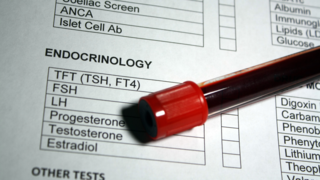
If stress-related cycle changes persist for more than three months, consult your doctor or fertility specialist. They may:- Check hormone levels (FSH, LH, oestrogen, progesterone, cortisol)
- Assess thyroid and prolactin balance
- Recommend supplements or therapy for chronic stress
The Emotional Perspective
Many women blame themselves when stress affects fertility, but it’s important to remember it’s a biological response, not a failure. Your body’s instinct is to protect you until it senses it’s safe to conceive.By calming your environment and nurturing emotional health, you signal your HPO axis to resume its normal rhythm.
The Hope in Hormonal Healing
The HPO axis thrives on rhythm, not perfection. Once the stress hormones have subsided, the hypothalamus resumes releasing GnRH, and the entire reproductive cycle resets. Every time you rest, eat well, breathe deeply, and sleep peacefully, your brain and ovaries strengthen their connection. Fertility is not lost. It’s simply a matter of waiting for calm, and the potential for natural restoration is high.You’re not alone in your journey when trying to conceive. Join our supportive community to connect with others, share experiences, and find encouragement every step of the way.
FAQs on Stress and the HPO Axis: How Mental Pressure Can Disrupt Ovulation
- Can stress really stop ovulation?
Yes. Chronic stress raises cortisol, which suppresses the brain hormones responsible for ovulation. - Will my period return after reducing stress?
In most cases, yes. Once cortisol levels stabilise, the HPO axis resumes normal function. - Can stress affect IVF or fertility treatments?
Emotional stress can influence treatment response, but good stress management improves outcomes.