In this article:
Let’s discuss how the egg prevents multiple sperm entry and whether more than one sperm can enter the egg.
How Fertilisation Normally Happens?
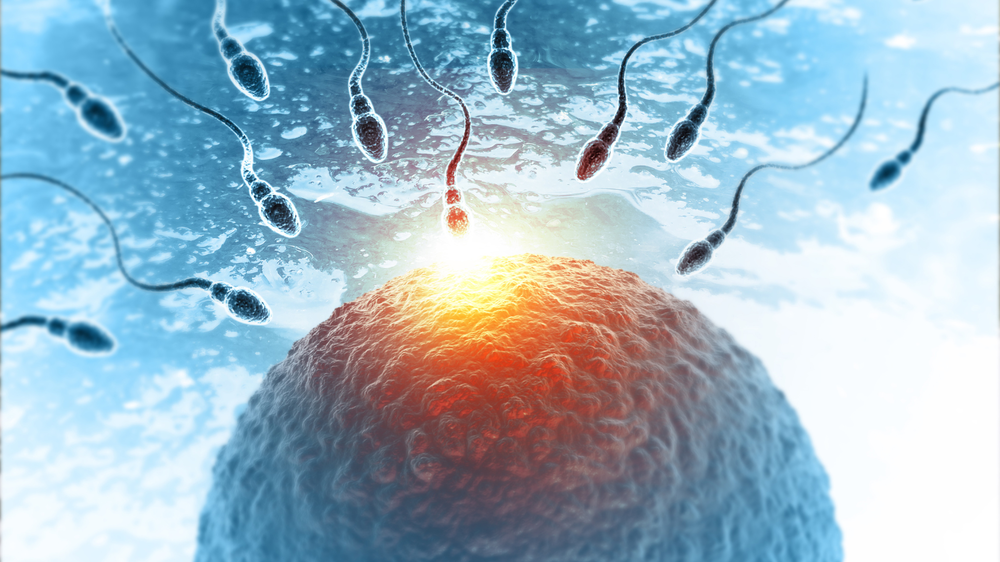
Fertilisation usually takes place inside the fallopian tube around the time of ovulation. During this period, one ovary releases a mature egg, which remains viable for about 12 to 24 hours. Millions of sperm enter the female reproductive tract after intercourse, but only a small number survive the journey through the cervix and uterus. Potent sperm swim toward the egg, guided by chemical signals released by the egg and surrounding cells. Therefore, such a natural selection process ensures that only the healthiest sperm reach the egg.When a sperm reaches the egg, it attaches to the outer protective layer and releases enzymes that help it enter. As soon as one sperm successfully enters, the egg responds immediately by changing its surface. This change blocks all other sperm from entering and protects the egg from genetic overload. The egg and sperm then combine their genetic material to form a single cell called a zygote, marking the true beginning of pregnancy.
How does the Egg Prevents Multiple Sperm Entry?
The human egg follows a tightly regulated biological process to ensure safe and accurate fertilisation. Each step plays a specific role in protecting early development and maintaining genetic balance. Here’s how eggs prevent multiple sperm entry.Immediate Sperm Entry Signal
- Once a single sperm enters the egg, the egg recognises the event immediately and activates internal signalling. These signals mark the start of fertilisation and trigger rapid protective responses that prevent further sperm entry.
- The egg membrane quickly changes its electrical and chemical properties after fertilisation. These changes stop additional sperm from fusing with the egg and serve as the first protective barrier.
- The zona pellucida, which surrounds the egg, undergoes structural changes and hardens within moments. This hardened layer forms a physical barrier that prevents other sperm from penetrating the egg.
- The egg releases specific enzymes that modify the outer surface and seal remaining entry points. This process strengthens the egg’s defences and ensures complete protection against multiple sperm entering the egg.
- All these mechanisms work together to ensure that genetic material from only one sperm is present. This control maintains the correct chromosome number and supports healthy embryo development from the earliest stage.
Can More Than One Sperm Enter the Egg?
Under normal conditions, only one sperm can enter the egg. The egg actively controls fertilisation through strong biological safeguards that block additional sperm as soon as the first one enters. These safeguards protect the egg from receiving extra genetic material and help maintain the correct number of chromosomes needed for healthy development. This precise control explains why fertilisation usually results in a single, well-balanced embryo.In rare situations, more than one sperm may enter the egg, a condition known as polyspermy. When this happens, the egg receives too many chromosomes, which disrupts normal cell division and embryo growth. The body usually identifies these abnormal embryos early and halts their development before implantation. Therefore, this natural protective response prevents non-viable pregnancies and highlights the importance of single-sperm fertilisation for a healthy pregnancy.
What to Do Next?
- Speak with a gynaecologist or fertility specialist when planning pregnancy or facing conception concerns.
- Follow a balanced diet, stay physically active, and manage underlying health conditions to support fertilisation.
- Limit alcohol, stop smoking, and avoid unnecessary medications that may affect egg or sperm quality.
- Monitor menstrual cycles and ovulation timing to better understand fertile windows.
- Discuss doubts about fertilisation and early pregnancy openly with a healthcare professional.
You’re not alone in your journey when trying to conceive. Join our supportive community to connect with others, share experiences, and find encouragement every step of the way.
FAQs on What Happens If More Than One Sperm Enters the Egg
- Can two sperm fertilise one egg?
No. The egg actively prevents more than one sperm from entering under normal conditions. - Does polyspermy cause twins?
No. Twins form through separate biological processes, not through multiple sperm entering one egg. - Is polyspermy common in natural pregnancy?
Polyspermy remains very rare due to the egg’s strong protective mechanisms