In this article:
What Are Spider Veins?
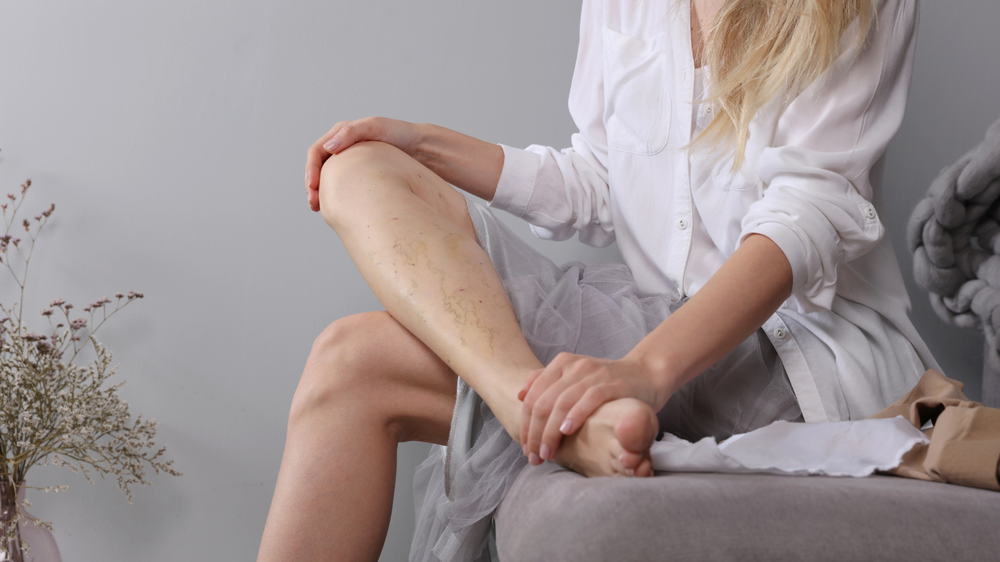
Spider veins are small blood vessels near the surface of the skin. They often look like thin red, purple, or blue lines in a web pattern. During pregnancy, they usually show up on the:- Legs and thighs
- Face, especially around the nose or cheeks
- Ankles
Why Spider Veins Appear During Pregnancy
There are a few natural reasons why spider veins show up during pregnancy.1. Increased Blood Volume
When you’re pregnant, your body makes about 40 to 50 percent more blood to support your baby. This extra blood puts more pressure on your veins, especially in your lower body, which can make small blood vessels expand.
2. Hormonal Influence
Progesterone, an important pregnancy hormone, relaxes your vein walls to help blood flow to the uterus. But this also makes your blood vessels more likely to stretch and swell, which can lead to spider veins.
3. Pressure from the Uterus
As your uterus grows, it presses on the veins in your pelvis. This slows down blood returning from your legs to your heart, which raises pressure in your veins and can cause spider veins.
4. Genetic Predisposition
If your close family members have had spider or varicose veins, you’re more likely to get them during pregnancy. Genetics affects the strength and flexibility of your vein walls.
5. Prolonged Standing or Sitting
Standing or sitting for long periods, like in desk jobs, teaching, or retail work, can slow blood flow in your legs. This can make your veins appear more prominent.
Safe and Natural Ways to Manage Spider Veins
To manage spider veins during pregnancy, focus on improving circulation and reducing pressure in your veins, without resorting to strong treatments or medications.1. Keep Moving Regularly
Light exercise is one of the easiest ways to improve blood flow. Try:
- Prenatal yoga for improved flexibility and circulation.
- Walking for at least 20–30 minutes daily.
- Stretch your legs every few hours if you're sitting for long periods.
Lifting your legs for 15 to 20 minutes a few times a day helps move blood out of your legs and lowers pressure in your veins. Try using a pillow or footrest to keep your legs a bit higher than your heart when you rest.
3. Sleep on the Left Side
Sleeping on your left side helps reduce pressure on the inferior vena cava, the large vein that carries blood from your lower body to your heart. This simple habit can improve circulation and reduce swelling in your legs.
4. Avoid Crossing Legs While Sitting
Crossing your legs can slow down blood flow and raise pressure in your veins. Try to keep your feet flat on the floor and a little apart to help your blood move more easily.
5. Maintain a Balanced Diet
Eating a healthy diet can help strengthen your vein walls and reduce swelling. Try to include:
- Vitamin C-rich foods like amla, oranges, and guavas to promote collagen production.
- Fibre-rich foods such as whole grains, fruits, and vegetables to prevent constipation (which strains veins).
- Hydration: Drink plenty of water and coconut water to help prevent fluid retention.
Wearing tight clothes, especially around your waist, thighs, or legs, can slow down blood flow. Choose loose, breathable cotton clothes and supportive maternity wear instead.
7. Support Stockings
Sometimes, your doctor may suggest wearing light compression stockings to help with circulation and swelling. Only use them if your healthcare provider recommends it.
8. Avoid Excessive Heat Exposure
Taking long, hot baths or spending time in direct sunlight can make your veins expand more. Try cool or lukewarm baths to relax your legs instead.
Can Spider Veins Be Prevented?
You can’t always prevent spider veins because of hormones and genetics, but you can lower your risk by:- Staying active throughout pregnancy.
- Avoiding prolonged standing or sitting.
- Keeping weight gain within the recommended range for pregnancy.
- Practising gentle leg massages with natural oils to stimulate blood flow (after consulting a healthcare provider).
Whether you’re pregnant, a new mom, or navigating postpartum, you don’t have to do it alone. Join our support group to connect, share, and support one another.
FAQs on Understanding Spider Veins in Pregnancy: Simple Tips for Relief and Prevention
- Do spider veins during pregnancy always disappear after delivery?
Not always, but most of the time, spider veins fade significantly within a few months after giving birth. As your hormones and blood flow return to normal, the veins become less visible. However, factors such as genetics, multiple pregnancies, or prolonged standing can impact whether they remain. Maintaining healthy habits after birth, such as walking, raising your legs, and eating well, can help them fade more quickly. - Are spider veins and varicose veins the same?
No, they are not the same. Spider veins are small veins near the surface that look like fine red or blue webs and usually don’t hurt. Varicose veins are bigger, bulge out, and can be twisted, which may cause discomfort, swelling, or aching. Both are related to changes in vein pressure, but spider veins are usually milder and easier to handle during pregnancy.