In this article:
What Are the Two Ages That Affect a Woman’s Fertility?
Every woman has two ages that matter for fertility:
- Chronological age: The number of birthdays you have celebrated.
- Ovarian (biological) age: How old your ovaries and eggs actually are in terms of quantity and quality.
When Does the Natural Decline in Ovarian Function Begin?
Here is how the number and quality of eggs typically change as a woman moves through different age stages:
- At birth: You are born with a fixed number of eggs, around one to two million.
- By puberty: Only 300,000 to 500,000 eggs remain.
- Late 30s: Most women have lost the majority of their eggs, leaving about 25,000.
- After 37: The quality of the remaining eggs starts to decline more rapidly.
- Ages 30 to 35: Fertility decreases slowly during this period.
- After 35: Fertility drops sharply due to both declining egg quantity and quality.
- Early 40s: The natural chance of conceiving each month becomes very low.
- After 42: The monthly chance of having a baby without medical assistance is usually no more than 5 per cent.
Why Does Biological Ovarian Age Matter More Than Calendar Age?
Chronological age is still an important clue for doctors when they are trying to understand how your ovaries might respond to fertility treatment. But it does not tell the whole story.
Some women age faster or slower in a reproductive sense because of their genes, lifestyle choices, and the environment around them. This is why two women who are both 38 can have completely different ovarian reserves. One may still have a healthy number of good-quality eggs, while the other may already have very few remaining.
Because of this difference, doctors now pay more attention to biological ovarian age than just the number of birthdays you have had when predicting success with assisted conception.
Which Tests Can Reveal Your True Ovarian Age?
Fortunately, there are simple and reliable ways to get a clearer idea of how old your ovaries really are, instead of guessing based only on your actual age:
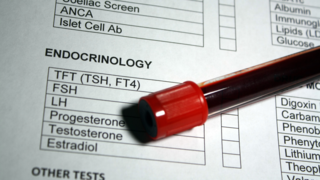
- Anti-müllerian hormone (AMH) blood test: Low AMH levels usually indicate fewer eggs remain in the ovaries.
- Follicle-stimulating hormone (FSH) blood test: Done on day 2 or 3 of your cycle, higher FSH levels can indicate a reduced ovarian reserve.
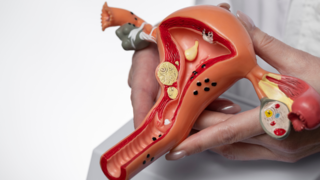
- Antral follicle count (AFC) via ultrasound: A transvaginal ultrasound is used to count small resting follicles in the ovaries, giving a direct idea of how many eggs may still be available.
What Is Causing the Ovarian Clock to Run Faster
Doctors point to several everyday factors that speed up reproductive ageing:
- High-stress jobs and long working hours
- Late nights and poor sleep patterns
- Delayed family planning due to prolonged education or career focus
- Exposure to environmental toxins and microplastics
- Rising hormonal imbalances
- Poor gut health and processed food habits
How the Uterus Ages and Affects Fertility
It is not only the eggs that change with age. The uterus also goes through its own ageing process. Studies show that even when younger donor eggs are used, an older uterus can still face higher risks during pregnancy, such as:
- Miscarriage and foetal loss
- Pre-term delivery
- Low birth weight
- Preeclampsia and gestational diabetes
What Are Epigenetic Clocks and How Do They Reveal Biological Age?
Scientists have now developed “epigenetic clocks.” These are special tests that look at tiny chemical tags (DNA methylation) on your genes. These tags change predictably with age and can show whether your body (including reproductive tissues) is ageing faster or slower than your calendar age.
Recent studies on blood, endometrial tissue and ovarian cells show that some women who struggle to conceive have epigenetic ages that are ahead of their real age. In simple terms, their body is ageing faster on the inside than it appears on the outside.
On the other hand, women whose epigenetic age is younger than their actual age usually have a better ovarian reserve and a higher chance of success with fertility treatments.
Your birthday age never changes, but your ovarian age can. It may be higher or lower depending on your genes, your past health, your lifestyle, and the environment around you. The encouraging part is that today, simple blood tests, ultrasound scans, and even new epigenetic markers can now reveal your true reproductive age accurately.
You’re not alone in your journey when trying to conceive. Join our supportive community to connect with others, share experiences, and find encouragement every step of the way.
FAQs on Why Women’s Birth Age and Ovarian Age Are No Longer in Sync
- Do regular periods mean my ovarian age is normal?
Not necessarily. You can have regular cycles even when your egg count or egg quality is already declining. - Can fertility treatments reduce ovarian ageing?
Fertility treatments do not slow ageing. They simply help make better use of the eggs that are still available.