In this article:
Why Do Certain Feeding Positions Put Stress On Your Back?
Feeding positions affect how your muscles, joints, and spine support your body weight. Leaning forward, twisting your torso, and holding your baby without adequate support make your back muscles work harder than usual. This can eventually lead to spasms.
Poor Posture and Forward Leaning
If you bend towards the baby instead of bringing the baby towards you, your spine curves unnaturally. This puts pressure on your lower back and neck.Common posture mistakes include the following:
- Hunching your shoulders while feeding
- Looking down for long periods
- Sitting on soft beds or couches without back support
Muscle Fatigue due to Repetitive Feeding
You likely feed your baby many times in a day and often for extended periods. Repeating the same unsupported posture places constant stress on the back muscles. As your muscles fatigue, they contract to protect themselves with painful spasms.Can Hormonal and Post-Pregnancy Changes Increase Spasm Risk?
Yes, your body goes through major biomechanical changes during and after pregnancy.
Ligament Loosening Due to Hormones
Hormones such as relaxin loosen the joints and ligaments during childbirth, making your spine less stable.When you feed your baby in uncomfortable positions, your muscles overwork to stabilise your back, increasing the risk of spasms.
Core and Pelvic Weakness
The muscles of the abdomen may weaken post-pregnancy. With less core stability, your back will compensate – particularly when lifting, carrying, and feeding.A weak core leads to more strain on the back which leads to higher chances of spasms.
Which Feeding Positions Most Often Cause Back Spasms?
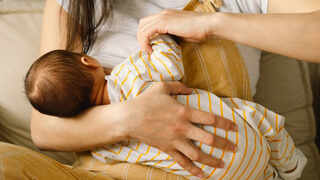
While everybody responds differently, some positions place a greater load on the spine.Cross-Cradle or Cradle Hold Without Support
If you hold your baby solely with your arms instead of supporting them with a pillow, it can increase tension and strain on your shoulders and back.
This often leads to:
- Tightness in the shoulder blades
- Neck strain
- Upper-back spasms
Twisted Positions Whilst Lying On The Side
If your body twists or your hips misalign while lying on your side, your lower back might spasm.
This usually occurs when:
- The mattress is too soft
- Your spine is not straight
- You lean forward to reach the baby
Are back spasms while feeding always serious?
Not always. In many instances, spasms are caused by muscle fatigue and posture strain. However, one should not ignore persistent or severe pain.
You should seek medical advice if you notice:
- Pain radiating to the legs
- Numbness or tingling
- Severe stiffness restricting movement
- Pain associated with fever or weakness
How to Identify Position-Related Back Pain
You can often observe patterns that pinpoint position-related spasms.
Spasms are likely posture-triggered if:
- Pain starts during or after feeding
- Discomfort improves with a change of position
- The same feeding posture triggers pain repeatedly
How to Prevent Back Spasms During Feeding
Simple changes can make feeding easier and safer for your back.Support your back and arms correctly
You can support your back and arms while feeding your baby by using:- A firm chair with back support
- A cushion behind your lower back
- A feeding or wedge pillow to support your baby
Keep your feet planted
Keep your feet on the floor or on a low stool to keep your pelvis neutral and minimise strain on your lower back.Change positions often
Changing positions often supports and strengthens your spine, reducing the recurrence of spasms.Can Exercises Help Prevent Back Spasms?
Gentle strengthening can support your spine and reduce the risk of spasms.
These movements may include:
- Pelvic tilts – light
- Core-stability exercises
- Gentle back and hamstring stretches
Working with a physiotherapist can help you learn safe, personalised exercises.
Daily Habits That Worsen Back Pain
Several daily habits can unknowingly heighten back strain. These include:- Lifting your baby while bending forward
- Carrying your baby on one side for long durations
- Sleeping on very soft mattresses
- Prolonged periods of sitting without motion
Emotional and Social Aspects
Back spasms can affect more than just your physical comfort. Pain with feeding can lead to frustration, concern, or guilt – particularly when you want feeding to be that quiet bonding time. Open communication with your partner and family will help get you the emotional and practical support you need. Sharing work, changing routines to cope, and asking for help will be important for your physical and mental well-being. Take care of yourself – remember, your comfort counts, too.
What Should You Do Next? A Practical Checklist:
- Use a firm chair with good back support
- Avoid leaning forward or twisting to feed
- Place pillows under your baby and behind your back
- Keep both feet supported
- Take brief breaks between feeds
- Stretch gently if your doctor approves it
- Seek medical attention if pain persists or worsens
Feeding your baby in certain positions can trigger back spasms due to posture strain, weak core muscles, hormonal changes, and prolonged sitting. Although many spasms are simply due to muscle fatigue, ongoing or severe pain always warrants evaluation. Enhancing your feeding posture, keeping support on your back, strengthening your core safely, and providing on-time care will protect your spine and make every feeding action much more manageable and positive.
Whether you’re pregnant, a new mom, or navigating postpartum, you don’t have to do it alone. Join our support group to connect, share, and support one another.
FAQs on Why Feeding From Certain Positions Triggers Back Spasms
- Are the back spasms during feeding more frequent post-childbirth?
Yes. The hormonal changes and temporary muscle weakness after pregnancy contribute to increased spasm frequency, especially during unsupported feeding positions. - Can a change of chair or seat surface reduce spasms?
Yes. Sitting in a firm, well-supported chair with a straight back dramatically reduces lower back strain. - Should one stop feeding when a spasm occurs?
If the pain is sudden or severe, it is safer to stop, change positions, and seek medical advice if symptoms continue.