In this article:
Therefore, there is no need to monitor it, as your body adjusts naturally every time you feed. The built-in temperature control tends to protect your baby’s digestion and supports body temperature regulation, and makes feeding calming and safe during those initial, fragile periods.
Why Milk Temperature is Important for Newborns
Newborn babies are still learning to deal with their body temperature and the temperature of the milk they consume. Their nervous system is immature, and even minor changes in temperature can affect their comfort in getting fed.
Milk that is too cold can cause indigestion and discomfort, and too hot milk can cause irritation in the mouth or discomfort in the stomach. Baby’s milk usually matches their own temperature, which usually varies around 36.5 to 37.5°C.
Your breast is exactly designed to deliver milk, and it's at the suitable body temperature.
How does your breast decide what to do?
Your body never guesses- it senses and respondsSkin to Skin Adjustment
When your baby comes close, you learn that the skin on your breast and nipples can warm or cool within fractions of a minute. Research shows that your breast can change temperature up to 2°C to suit your baby. This happens through changes in blood flow just below the skin.Nerve and Hormonal Signals
While your baby is touching, smelling, or sucking, it sends messages to your brain through your nervous system. In return, your body sends hormones like oxytocin and prolactin. These hormones not only help milk to flow, but they also regulate the blood circulation in the breast, helping control the milk at the right temperature.What happens to milk inside the breast?
Milk is not kept under body temperature, whereas it is in living tissue that stays close to the tissue that is close to your core body temperature.Living Tissue Regulation
Blood vessels surrounding the milk ducts continuously circulate warm blood, keeping milk at a stable, body-safe temperature even between feeds.Direct, Immediate Delivery
During feeding, milk flows straight from warm breast tissue into your baby’s mouth. There is no exposure to air, no cooling, and no delay, just steady delivery at the perfect warmth.Difference Between Breast Milk And Warm Bottled Milk
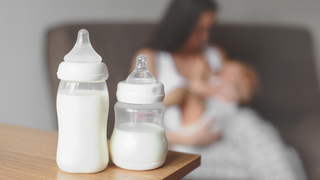
Even when bottled milk is warmed carefully, it does not match the full natural temperature stability of breast milk.
No hot or cold spots: Bottle warming can create uneven heating, while breast milk is evenly warm throughout.
No cooling mid-feed: Bottle milk cools as feeding continues; breast milk remains temperature-stable because it flows directly from your body.
How does proper temperature support digestion
A baby’s stomach is very delicate. So when the milk is at a hot temperature, it can cause irritation in the stomach lining, whereas if it is too cold, it can increase gas and spit up. However, breast milk arrives at an ideal temperature to support the body's digestion, greater feeding comfort, and better absorption.Learn About Warmth, Comfort, and Emotional Security
In the womb, your baby is surrounded by steady and consistent heat. Warmth signals the baby's safety and recreates the environment outside.
Feeding is not only about nourishment, but it is also about calmness and reassurance. The warmth of your breast combined with your body helps the baby to calm down, strengthen emotional bonding, and lower stress hormones.
What If You Are Under The Weather?
If you have a fever, your breast milk temperature can slightly rise, but your body manages to adjust the blood flow to keep the milk safe for the baby. Therefore, breastmilk remains safe for the baby even if you are unwell.
In fact, during this time, your milk provides additional antibodies to keep your baby safe.
Changes During Milk Pumping
Once milk leaves your body, it loses its natural temperature.Cooling and storage
Expressed milk, when cooled, must be stored at the correct temperature.Rewarming
When you warm expressed milk, you are attempting to imitate what your body does effortlessly. However, no method can perfectly recreate the precise, dynamic temperature control of direct breastfeeding.Feeding At Night
At night, the baby’s body temperature slightly falls. Warm breastfeeding supports chills and provides comfort, which results in calmness for the baby. This is the reason breastfeeding at night can be soothing for both baby and parent.Emotional and Psychological Benefits For Parents
Learning that your body provides milk efficiently to your baby at the right temperature can increase confidence and reduce stress. Warm breastfeeding results in providing calmness and a restful feed to the baby. This is one of the reasons that breastfeeding is soothing and calming for your baby.When To Seek Medical Attention
Contact a healthcare expert if you notice:
- Breast that is usually hot and red
- Fever with breastfeeding
- Your baby is refusing to feed and shows discomfort
Supporting Natural Temperature
You can support the natural temperature by:- Resting well
- Practising skin-to-skin
- Having proper water intake
- Feeding when needed
- Avoiding tight bras
A Simple Checklist
- Ask for support when needed
- Avoid reheating bottle milk
- Pay attention to your comfort
By providing milk at the right temperature, your body provides the right amount of support, digestion, comfort, and healthy development. This quiet, automatic process is one of the many ways your body continuously protects and nurtures your baby. This, in turn, leads to making your baby feel safe and increases your bond with them.
Whether you’re pregnant, a new mom, or navigating postpartum, you don’t have to do it alone. Join our support group to connect, share, and support one another.
FAQs on How Breasts Adjust Milk Temperature Naturally for the Baby
- Does cold breast skin mean cold milk?
No. Milk remains warm inside breast tissue regardless of surface temperature. - Can stress affect milk temperature?
Stress can affect milk flow, but temperature regulation usually remains stable. - Is bottle milk unsafe if it cools during feeding?
It is not unsafe, but it may be less comfortable for your baby than body-warm milk.