In this article:
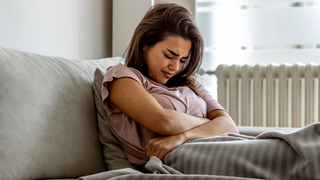
Many people get worried when they see blood clots, feel strong cramps, or experience PMS-like symptoms in week 1 of their cycle. It’s natural to ask: “Is this normal, or should I be concerned?”
The first week of your menstrual cycle can feel confusing because your body is undergoing many changes. Hormone levels are shifting, the uterus is shedding its lining, and your body may still be carrying over symptoms from the previous cycle. Furthermore, these changes can cause discomfort, but in most cases, they are a regular part of your menstrual cycle.
Let’s understand what is typical in week 1, which can help you feel more in control and know when to seek medical advice if something feels unusual.
What Does Week 1 of Your Cycle Mean?
Week 1 of your menstrual cycle begins on the first day of your period, marking the start of a new cycle. During this time, your body sheds the uterine lining that was created in the previous month. Hormone levels, including oestrogen and progesterone, are at their lowest at the start, but they gradually begin to rise as the week progresses, preparing your body for ovulation.
Because of these changing hormone levels, it’s normal to notice a variety of physical and emotional symptoms. You might experience cramps, bloating, fatigue, or mood swings. These sensations are a natural part of the menstrual process, and while they can be uncomfortable, they usually ease as your body adjusts and moves through the first week of your cycle.
What are the Common Symptoms in Week 1?
During the first week of your menstrual cycle, it’s normal to experience a range of physical and emotional changes. Common experiences include:
- Cramps (Menstrual Pain)
- Blood Clots
- PMS-Like Symptoms
- Fatigue
- Lower Back Pain
- Bloating and Digestive Changes
- Headaches or Mild Migraines
When Do Clots or Cramps Need Medical Attention?
While most clots and cramps are harmless, some signs may indicate an underlying issue:
- Large or very frequent clots
- Severe or worsening cramps that disrupt daily activities
- Unusually heavy bleeding
- Bleeding between periods or after sex
- Fever, dizziness, or fainting with cramps or bleeding
Why Do These Symptoms Happen?
Even in week 1, your body is actively undergoing changes that can lead to cramps, clots, and PMS-like sensations. Understanding why these occur can help you manage them better.
Uterine Contractions
The uterus naturally contracts to help shed its lining, which is a regular part of menstruation. These contractions can cause mild to moderate cramps and may also lead to the formation of small blood clots as the lining is expelled.
Hormonal Fluctuations
At the start of your cycle, levels of progesterone and oestrogen are at their lowest. These hormonal changes can affect your mood, energy levels, and even cause breast tenderness, making you feel more sensitive or fatigued than usual.
Blood Clotting Factors
During menstruation, the body releases proteins that help blood clot, preventing excessive bleeding. Occasionally, these clotting factors can combine with menstrual blood to form small clots, which are usually normal and harmless.
Inflammatory Response
The body produces prostaglandins, hormone-like chemicals, to help the uterus shed its lining efficiently. While they play an essential role, prostaglandins can also cause pain, swelling, and digestive discomfort, which contribute to cramps and bloating during the first week.
What You Can Do to Ease Symptoms?
Managing discomfort during week 1 of your menstrual cycle involves practical strategies that target cramps, bloating, mood swings, and other PMS-like symptoms. Here’s how to make your period more manageable while supporting overall health and well-being.
Use Heat Therapy
Applying heat to your lower abdomen helps relax the uterine muscles and reduces cramping. Using a hot water bottle, heating pad, or warm bath can ease pain by increasing blood flow to the area, which helps the muscles relax naturally. Heat therapy also provides a calming effect, reduces tension in surrounding muscles, and can improve sleep during particularly uncomfortable days.
Exercise Gently
Engaging in light, low-impact activities such as walking, yoga, or stretching can improve circulation, release endorphins, and naturally reduce pain. Exercise increases oxygen flow to the muscles, which helps ease cramps and reduce inflammation. Furthermore, regular gentle movement supports hormonal balance, alleviates stress, improves mood, and enhances overall energy.
Eat Anti-Inflammatory Foods
Consuming a diet rich in anti-inflammatory foods can help reduce menstrual cramps and fatigue. Foods such as leafy greens, berries, whole grains, nuts, seeds, and fatty fish provide essential vitamins, minerals, and omega-3 fatty acids that combat inflammation and support hormonal balance. Avoiding processed foods, excessive sugar, and caffeine can further reduce bloating and mood swings.
Track Your Cycle
Maintaining a menstrual diary or using a cycle-tracking app helps you monitor flow, symptoms, and emotional changes throughout the month. Tracking provides valuable insights into what is normal for your body, allowing you to anticipate cramps, bloating, or mood swings and plan accordingly.
Note: Consult your doctor before engaging in a physical activity, undergoing heat therapy, or adding a new food to your diet to avoid health-related side effects.
Clots, cramps, and PMS-like symptoms in week 1 of your menstrual cycle are usually normal and part of the body’s natural process. Most women experience mild to moderate discomfort as the uterus sheds its lining and hormones fluctuate. However, if any significant changes in bleeding, severe pain, or other unusual symptoms occur, seek medical care immediately.
You’re not alone in your journey when trying to conceive. Join our supportive community to connect with others, share experiences, and find encouragement every step of the way.
FAQs on Clots, Cramps, or PMS in Week 1: Normal or Not?
- Are blood clots normal during menstruation?
Yes, small clots (less than 2.5 cm) are usually normal and occur when the body sheds the uterine lining. - Can PMS continue into the first week of my period?
Yes, some PMS symptoms, such as mood swings, bloating, and tenderness, can linger into week 1.