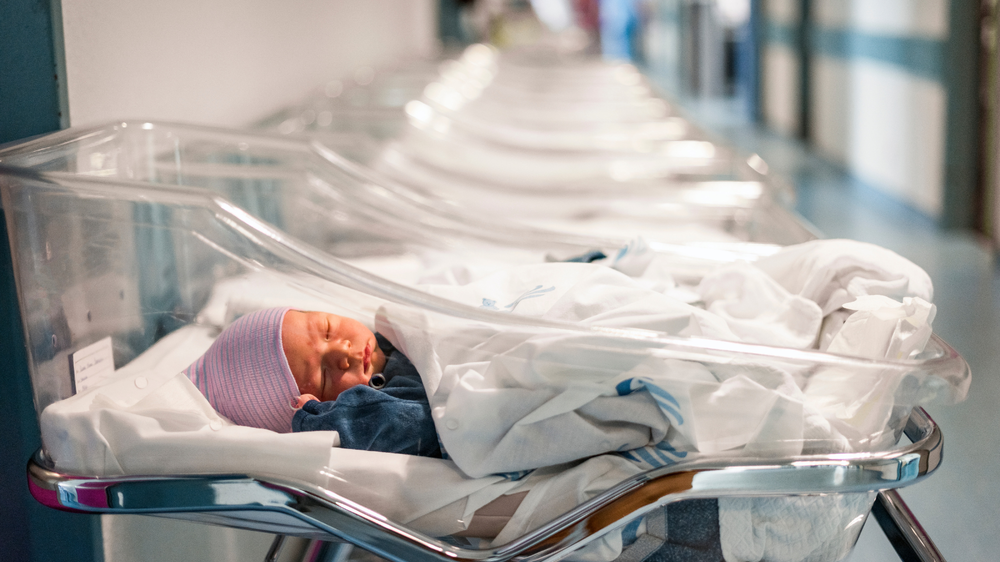
Bringing your baby home after the NICU is a moment of pure joy. Yes, it can feel overwhelming, especially after weeks of being surrounded by doctors and machines. But remember, you’re not alone. With the proper guidance and routines, home care will soon become second nature. Your baby is stronger than ever, and you’re fully ready for this next phase. It's a time of hope and positivity.
Pregatips
Your healthcare team will discharge your baby only after they meet key readiness criteria. Typically, a premature baby is ready to go home when they can:
Before discharge, your healthcare team will provide detailed explanations about feeding schedules, medication, and how to monitor your baby’s growth. Their guidance is invaluable and will make you feel more confident at home. Remember, never hesitate to ask questions. Understanding these details is crucial for your baby's well-being and your peace of mind.
Setting Up a Safe Space at Home
Disclaimer: Medically approved by Dr Jitendra Jain, Sr Consultant - Neonatology, Cocoon Hospital, Jaipur