In this article:
Lungs Are Complicated Organs
Apart from being an organ filled with air, lungs also include:- Countless small air sacs
- Airways that form in a branching pattern
- Blood vessels that carry oxygen
- Tissues and muscles that contract and expand
Lung Development Begins Very Early
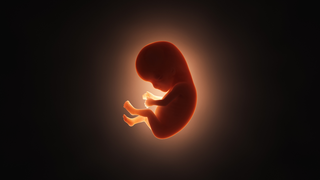
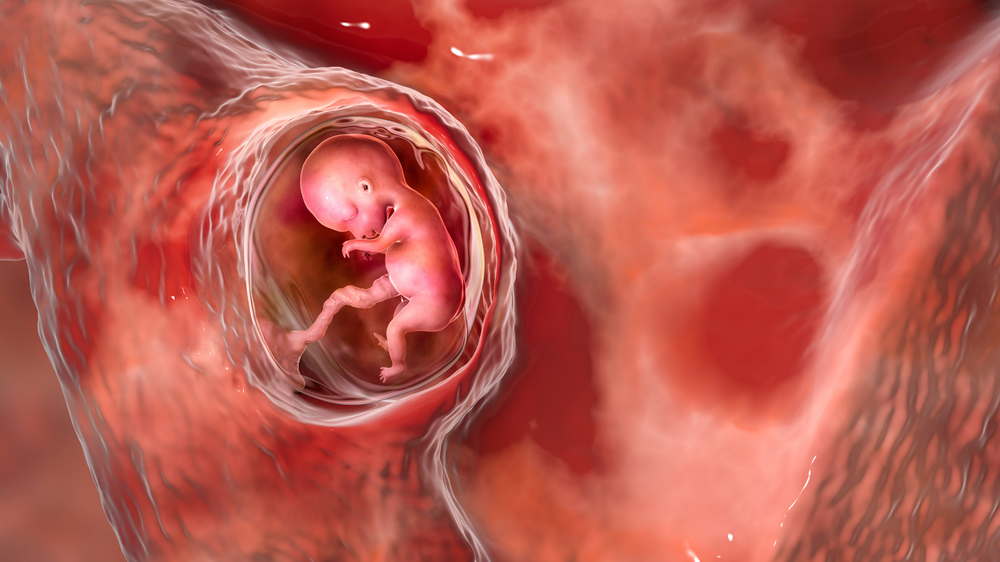
Lung development starts to take place as early as weeks 4 or 5 of pregnancy, even before you know you've conceived.
At this stage:
- The lungs appear as tiny buds
- They aren't meant for breathing yet
- They are just putting the basic structure together
The Initial Stage: Building the Airways
In the early stages, your baby's lungs focus on developing the airway system. At this time:
- The development of the windpipe takes place
- Airways branch like a tree
- Each branch gets ready to carry air later
The Second Step: Developing the Airsacs
Once the airways are in place, the lungs proceed to the next stage, forming air sacs, also called alveoli. Alveoli are important because:
- Through them, your blood receives oxygen
- Carbon dioxide is released through them
- They allow breathing to actually work
The Role of Lung Fluid in Development
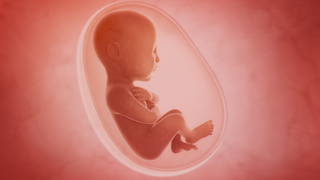
Inside your womb, your baby's lungs are filled with fluid, not air. This fluid is essential, not harmful. The fluid:
- Keeps the lung tissues expanded
- Aids in lung development, evenly
- Prevents lung collapse
- Allows air sacs to stretch gently
Why Surfactant Comes Later
Surfactant is a substance that helps keep air sacs open after birth. But it doesn't appear early in pregnancy. Surfactant production increases mainly in the final stage. This delay is necessary because:- Early air sacs are not ready to stay open
- Surfactant is only effective near birth
- Producing it too early would waste energy
The Third Step: Strengthening & Maturing the Lungs
As pregnancy progresses, the lungs not only develop new structures but also strengthen existing ones. During this phase:- Air sacs multiply
- The lung lining becomes thinner
- Blood vessels move close to the air sacs
- Breathing muscles practice movements
Why Do Lungs Keep Maturing After Birth?
Lung development doesn't stop after your baby's born. In fact, a large part of lung growth takes place after your baby is born. After birth:- The number of air sacs rapidly increases
- Lung size grows with the baby's development
- Breathing makes the lung tissues stronger
Gradual Development Protects the Baby
The gradual development of the lungs protects your baby in many ways:- Prevents fragile tissues from damage
- Allows proper timing of oxygen use
- Aligns lung growth and brain development
- Ensures the lungs are ready exactly at birth
What Happens If Lung Development Is Interrupted?
Sometimes babies are born early or face coordination problems that disrupt lung development. In such cases:- Doctors might provide temporary breathing support
- Oxygen or surfactants may be given
- Lungs continue to develop after birth
This design is why many babies recover well and resume normal breathing.
How Can You Support Lung Development During Pregnancy?
You support your baby's lung development more than you realise. Here’s what you can do:- Avoiding tobacco and staying away from smoke
- Managing infections and fever promptly
- Eating nutritious food
- Attending regular check-ups
- Listening to medical advice if any complication occurs
Your baby's lungs develop slowly; the process requires time, sequence, and safety. Each stage builds on the previous one, ensuring the lungs are flexible, strong, and ready to function properly at the right time.
This process is perfectly timed, while it may seem slow. By the time your baby is born, their lungs are ready because they’ve grown at the exact pace they need to.
Whether you’re pregnant, a new mom, or navigating postpartum, you don’t have to do it alone. Join our support group to connect, share, and support one another.
FAQs on Why Baby Lungs Grow in “Steps” and Not All at Once
- Is slow lung development in babies common?
Yes. Lung development is a process that should happen in a progressive manner. This helps the lungs function properly at birth, ensuring their safety. - Do lungs develop entirely before birth?
No. Lung growth continues after birth, particularly in the first few years of life. - Why is surfactant important for breathing?
Surfactant makes breathing easier for newborns by keeping the air sacs open after birth. It usually occurs in the last few months of pregnancy.