Labour may feel like the hardest part of childbirth, but the first few minutes after delivery are just as critical. As soon as the placenta detaches, hundreds of tiny blood vessels in the uterine wall are left exposed. Normally, powerful contractions clamp them shut, preventing blood loss.
In this article:
Understanding why uterine tone matters and what causes it to fail helps you grasp why doctors act so urgently during the minutes after birth.
What Happens in Uterine Atony
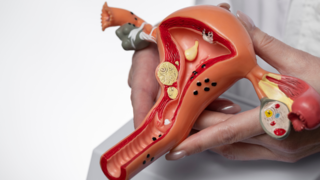
After the baby is born, the uterus normally contracts to about the size of a grapefruit within minutes. These contractions compress the blood vessels that supply the placenta. In uterine atony:- The uterine muscle (myometrium) doesn’t contract effectively.
- Blood vessels stay dilated and open.
- Bleeding continues from the placental bed.
Why It Happens: Causes and Risk Factors
Uterine atony can occur in any delivery, but some situations make it more likely.1. Uterine Overdistension
When the uterus has been stretched too much, its muscle fibres lose their ability to contract effectively.- Multiple pregnancy (twins or more)
- Polyhydramnios (too much amniotic fluid)
- Very large baby (macrosomia)
2. Prolonged or Rapid Labour
A uterus that has worked for too long, or too fast, can become exhausted and fail to contract afterwards.3. Oxytocin Fatigue
If high doses of oxytocin were used during labour induction or augmentation, the receptors can become less responsive (known as oxytocin desensitisation).4. Retained Placental Fragments
Even a small piece of placenta left behind prevents the uterus from closing properly.5. Infection or Inflammation
Chorioamnionitis and endometritis interfere with muscle tone.6. General Anaesthesia or Tocolytics
Certain drugs (such as magnesium sulphate or nifedipine) relax smooth muscle and may inhibit contraction.7. High-Risk Maternal Conditions
Anaemia, pre-eclampsia, or obesity increase the chance of PPH and atony.How Doctors Recognise Uterine Atony
The first sign is usually excessive bleeding immediately after birth. Doctors and nurses watch closely during the “fourth stage of labour” (the first hour postpartum).Key clinical findings include:
- Soft or ‘boggy’ uterus: When gently pressed, it feels spongy instead of firm.
- Rising fundal height: The uterus balloons upward as it fills with blood.
- Heavy vaginal bleeding: Bright red, often continuous or pooling under the patient.
- Signs of shock: Rapid heartbeat, falling blood pressure, dizziness, pale or clammy skin.
Emergency Management: Step-by-Step
Doctors follow a strict, time-sensitive protocol for uterine atony. The priority is to restore tone and stop blood loss quickly.1. Uterine Massage (First Response): The uterus is massaged firmly through the abdomen to stimulate contractions. You might feel pressure or discomfort, but this can save critical time.
2. Medications (Uterotonics): If massage doesn’t work, drugs that tighten the uterus are given sequentially:
- Oxytocin (IV or IM): The first-line treatment.
- Methylergometrine (IM): Increases contraction strength, but is avoided in high blood pressure.
- Carboprost Tromethamine (PGF2α) (IM): Used if bleeding continues; avoided in asthma.
- Misoprostol (PGE1) (rectal/oral): Heat-stable, widely used in low-resource settings.
4. IV Fluids and Blood Transfusion: Restores circulating volume while definitive treatment continues.
5. Mechanical or Surgical Methods (if medications fail):
- Uterine balloon tamponade (Bakri or condom catheter): Applies internal pressure to stop bleeding.
- Compression sutures (e.g., B-Lynch technique): Physically compress the uterus.
- Ligation of uterine or internal iliac arteries: Cuts blood flow temporarily.
- Hysterectomy: As a last resort when bleeding cannot be controlled.
How It’s Prevented
Most uterine atony can be prevented through active management of the third stage of labour (AMTSL), a WHO-recommended protocol. AMTSL involves:- Administering oxytocin (10 IU IM) immediately after birth.
- Controlled cord traction to deliver the placenta safely.
- Uterine massage after placenta delivery to ensure firmness.
- Checking that the uterus is firm before leaving the delivery room.
- Monitor blood loss closely for the first hour.
- Treating maternal anaemia during pregnancy to reduce risk.
What Recovery Looks Like After Uterine Atony
With timely management, most women recover fully. You may feel uterine soreness for a few days and fatigue from blood loss. Post-treatment care includes:- Iron and folic acid supplementation to rebuild red blood cells.
- Antibiotics are used if an infection risk is present.
- Rest and hydration to restore strength.
Possible Complications (If Left Untreated)
If uterine atony isn’t managed promptly, complications can escalate quickly:- Severe haemorrhage and shock.
- Disseminated intravascular coagulation (DIC), a dangerous clotting disorder.
- Organ failure due to reduced oxygen supply.
- Emergency hysterectomy to save life.
- Maternal death, though rare in facilities with skilled birth attendants, is still a risk in unattended home deliveries.
Emotional Impact and Support
Experiencing heavy bleeding after birth can be frightening. Many women describe feeling disoriented or traumatised afterwards. Emotional recovery matters just as much as physical healing.- Talk openly with your healthcare provider about what happened.
- Ask follow-up questions to understand how your recovery is progressing.
- If anxiety or intrusive thoughts persist, consider postpartum counselling.
With trained care, routine oxytocin use, and vigilant observation, most cases of atony and postpartum haemorrhage are entirely preventable. Understanding what it is and why it happens helps you recognise that safety in childbirth isn’t only about delivery—it’s about everything that happens right after.
Whether you’re pregnant, a new mom, or navigating postpartum, you don’t have to do it alone. Join our support group to connect, share, and support one another.
FAQs on Uterine Atony: The Leading Cause of Postpartum Haemorrhage
- Can uterine atony happen after a C-section?
Yes. The risk exists after both vaginal and caesarean deliveries, though slightly higher with prolonged labour or multiple pregnancies. - How quickly does uterine atony cause heavy bleeding?
Usually, within the first 10–15 minutes after delivery, which is why constant observation in that period is crucial. - Can it happen again in future pregnancies?
The risk is slightly higher if you’ve had atony before, but preventive oxytocin and careful monitoring make recurrence uncommon. - Is there anything I can do during pregnancy to prevent it?
Keep anaemia under control, attend all antenatal visits, and ensure delivery in a facility equipped to manage emergencies.