In this article:
What are the Benefits of Staying Active During Pregnancy?
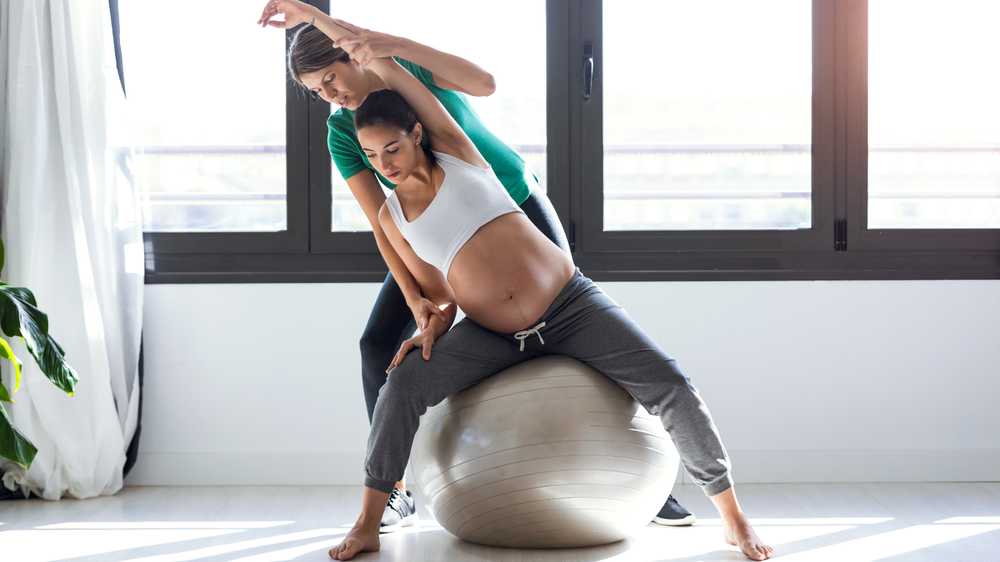
Regular physical activity brings many advantages when your pregnancy is uncomplicated and low risk. Aim for around 150 minutes of moderate exercise each week after checking with your doctor.
This is how regular activity can benefit you during pregnancy:
- Lower risk of high blood pressure: Keeping your body moving helps your heart and blood vessels stay healthy, which can reduce the chances of developing high blood pressure during pregnancy.
- Reduce gestational diabetes risk: Exercise improves your body’s ability to manage blood sugar, lowering the risk of gestational diabetes.
- Maintain a healthy weight: Staying active helps you manage weight gain during pregnancy and makes it easier to get back to your pre-pregnancy weight after delivery.
- Support your baby’s long-term health: Babies of active mothers may have a lower risk of childhood obesity, diabetes, and heart disease later in life.
- Improve mood and reduce stress: Physical activity releases feel-good hormones, which can help ease anxiety, stress, and even improve your sleep during pregnancy.
- Lower the risk of postnatal depression: Keeping active during pregnancy has been linked to a reduced chance of experiencing depression after childbirth.
- Prepare your body for labour: Staying fit can make labour easier, helping you cope better with the physical demands of delivery.
- Ease common aches: Gentle movement and stretching can relieve pelvic or back pain, which is very common during pregnancy.
How Physiotherapy Helps With Pregnancy-Related Issues?
As your pregnancy progresses, you might start feeling aches in different parts of your body. Physiotherapy can help you manage these problems in practical ways, so you can stay more comfortable.
Pelvic Girdle Pain, Back Pain, and Hip Pain
Gentle exercises that strengthen your muscles can help reduce pressure, improve stability, and prevent the pain from getting worse.
Abdominal Muscle Separation (Diastasis Recti)
After your baby is born, specific exercises can safely strengthen your abdominal muscles and help them recover.
Incontinence and Pelvic Floor Issues
Carpal Tunnel Syndrome
Keeping your wrist in a neutral position, reducing swelling, and wearing a night splint can help bring relief. Most cases improve after your baby is born.
How Physiotherapy Supports Each Trimester of Pregnancy
Physiotherapy changes with each stage of your pregnancy to meet your body’s needs.
First Trimester
Second Trimester
Managing aches and pains becomes an important part of the plan to help you stay comfortable as your body changes.
Third Trimester
Gentle pregnancy yoga or similar activities are often added to help with mindful breathing and relaxation. These techniques not only reduce stress but also help your body get ready for delivery.
Physiotherapy during pregnancy helps you stay comfortable, strong, and confident as your body changes. Common aches and challenges become easier to manage with the right guidance, so you can focus on enjoying this special time and feeling your best!
Whether you’re pregnant, a new mom, or navigating postpartum, you don’t have to do it alone. Join our support group to connect, share, and support one another.
FAQs on Benefits of Physiotherapy During Pregnancy: Stay Active and Pain-Free
- How often should I see a physiotherapist during pregnancy?
It depends on your needs and any discomfort you’re experiencing. Some people benefit from weekly sessions, while others may visit once or twice a month for check-ins. - Can physiotherapy help with swelling in the legs and feet during pregnancy?
Yes, gentle exercises and stretching can help improve circulation and reduce fluid buildup, which may ease swelling in the legs and feet.