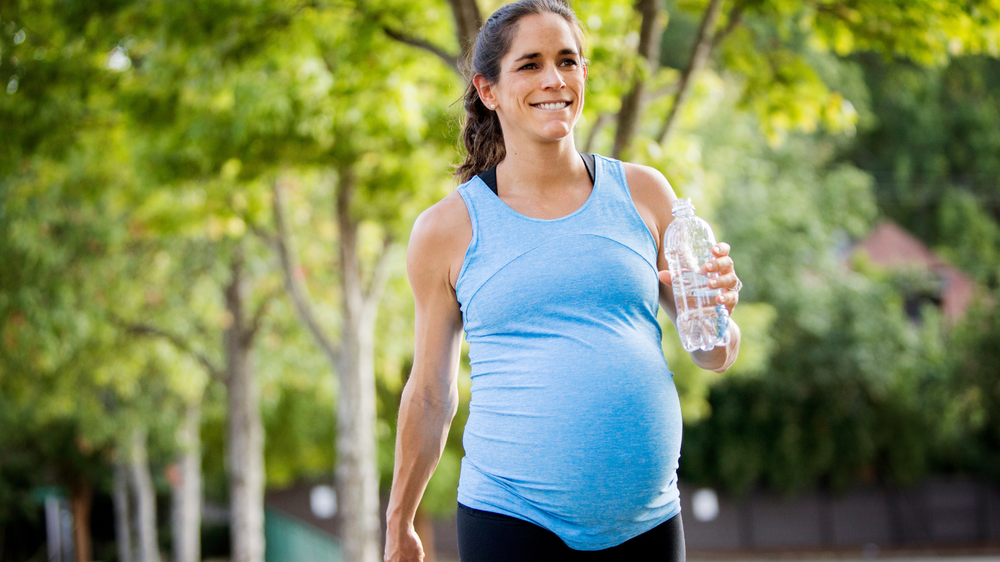
High-intensity workouts or prenatal yoga seem more effective, but walking can seem too basic. However, its simplicity is what makes it so helpful. Walking supports your physical, mental, and emotional well-being throughout pregnancy, from the early weeks to the days leading up to delivery.
Let's see why walking is the key movement that supports you through every stage of pregnancy.
In this article:
Benefits include:
- Improved circulation: Prevents swelling of feet and ankles, which is common during pregnancy.
- Better digestion: Walking after meals helps ease bloating and reduce constipation.
- Balanced weight gain: Supports steady, healthy weight progression without strain.
- Reduced back pain: Strengthens posture and core muscles that support additional weight.
Pregnancy brings emotional highs and lows. Hormonal changes and new worries can feel overwhelming. Walking, especially outside, is more than just exercise; it can be a calming break and release for the body’s natural “feel-good” hormones.
- Gentle movement and deep breathing during walks can reduce anxiety and mood swings.
- Morning or evening walks help connect you with nature, easing restlessness and fatigue.
- Walking with a partner or friend provides emotional bonding and motivation.
Your body goes through incredible changes to prepare for childbirth. Walking keeps your muscles engaged, pelvis flexible, and stamina high. These are all essential during labour.
How walking helps during late pregnancy:
- Encourages the baby to move into an optimal position for birth.
- Strengthens pelvic and lower back muscles for endurance during contractions.
- Improves breathing efficiency and lung capacity.
- Promotes the natural progression of labour in the final weeks.
Gestational diabetes affects many pregnant individuals in India. Both genetic and lifestyle factors contribute to the development of this condition. Walking is one of the simplest preventive measures.
Scientific evidence shows:
- Walking for 30 minutes daily improves insulin sensitivity.
- A short walk after each meal can help stabilise post-meal blood sugar spikes.
- Consistent walking aids in maintaining healthy energy levels throughout the day.
The benefits of walking don’t end with delivery. It’s one of the best postnatal exercises, once approved by your healthcare provider.
Post-delivery advantages include:
- Gradual rebuilding of stamina and strength.
- Enhanced mood through gentle physical activity.
- Support for hormonal balance and reduction of postnatal blues.
- Improved blood flow and healing after childbirth.
Simple Tips to Get Started Safely
Walking is generally safe for most expectant individuals, but it's still advisable to be mindful.- Consult your doctor: Especially if you have high blood pressure, anaemia, or any pregnancy complications.
- Choose comfortable surfaces: Walk on level paths to prevent slips or falls.
- Stay hydrated: Carry a small bottle of water during longer walks.
- Wear supportive footwear: Cushion your steps to protect joints.
- Listen to your body: Stop immediately if you feel dizziness, pain, or shortness of breath.
Walking During Each Trimester
Every trimester brings different needs. Adapting your walking routine ensures safety and comfort.First Trimester:
- Light to moderate walks, 20–25 minutes.
- Focus on maintaining routine and managing early fatigue.
- Gradually increase pace and duration to 30–40 minutes.
- Add gentle stretches before and after walks.
- Slow, short walks as comfort allows.
- Include small breaks and support your lower back while walking.
From the moment you learn of your pregnancy to the day you hold your baby, walking is a loyal companion. It keeps your heart strong, your mood bright, and your body resilient. More importantly, it connects you to yourself amid all the changes pregnancy brings.
Whether you’re pregnant, a new mom, or navigating postpartum, you don’t have to do it alone. Join our support group to connect, share, and support one another.
FAQs on Why Walking Is the Most Underrated Yet Essential Exercise for Pregnancy
- Can walking cause any complications during pregnancy?
Walking is generally safe for most expectant individuals. However, if you experience dizziness, pain, spotting, or shortness of breath, stop immediately and consult your doctor. Always follow your healthcare provider’s advice before beginning or continuing any exercise routine. - When is the best time of day to walk during pregnancy?
Early mornings or evenings are ideal, as temperatures are cooler and air quality is better. Post-meal walks, especially after lunch or dinner, can aid digestion and stabilise blood sugar. Choose a time that fits comfortably into your routine.