Pregnancy isn’t only about eating more food. It’s about choosing foods that truly nourish you. Your body changes in many ways and may need additional support. Calcium and fluoride might not be as well-known as iron or folic acid, but they are just as crucial for your health now and in the future.
In this article:
What exactly are calcium and fluoride, in simple terms?
Calcium is a mineral that helps build and maintain bones and teeth. During pregnancy, it also supports muscle movement, nerve signals, and heart rhythm. If your intake is low, your body will still meet the baby’s needs by drawing calcium from your bones, which may weaken you over time.Fluoride is a trace mineral that strengthens tooth enamel and helps prevent dental decay. While your baby’s teeth start forming in the womb, fluoride mainly protects your own oral health during pregnancy, a time when gums can become sensitive and prone to infection.
Why do calcium and fluoride matter so much during pregnancy?
Your baby’s skeleton begins to form early in pregnancy and continues to develop throughout all three trimesters. Calcium supports this process, especially during the second and third trimesters when bone mineralisation accelerates.According to the Indian Council of Medical Research (ICMR) guidelines, pregnant adults need around 1,000–1,200 mg of calcium per day. Studies show that adequate calcium intake lowers the risk of pregnancy-related high blood pressure and pre-eclampsia.
Fluoride plays a quieter role. Pregnancy hormones increase the risk of gum inflammation, bleeding, and cavities. Maintaining fluoride exposure helps protect enamel when vomiting, frequent snacking, or acidity threatens dental health. The World Health Organisation notes that fluoride in safe amounts significantly reduces dental decay across populations.
How much calcium and fluoride do you really need?
Knowing the appropriate amounts can help you plan your diet with confidence.Daily calcium needs during pregnancy
- Recommended range: 1,000–1,200 mg/day
- One glass (250 ml) of milk: ~300 mg
- One bowl of curd: ~250–300 mg
- 30 g paneer: ~200 mg
- 1 tablespoon sesame seeds: ~90 mg
- Optimal intake: 0.05–0.07 mg per kg body weight per day
- In India, most needs are met through drinking water and food.
- Excess intake can cause fluorosis, so balance is essential.
What are safe and practical Indian food sources?
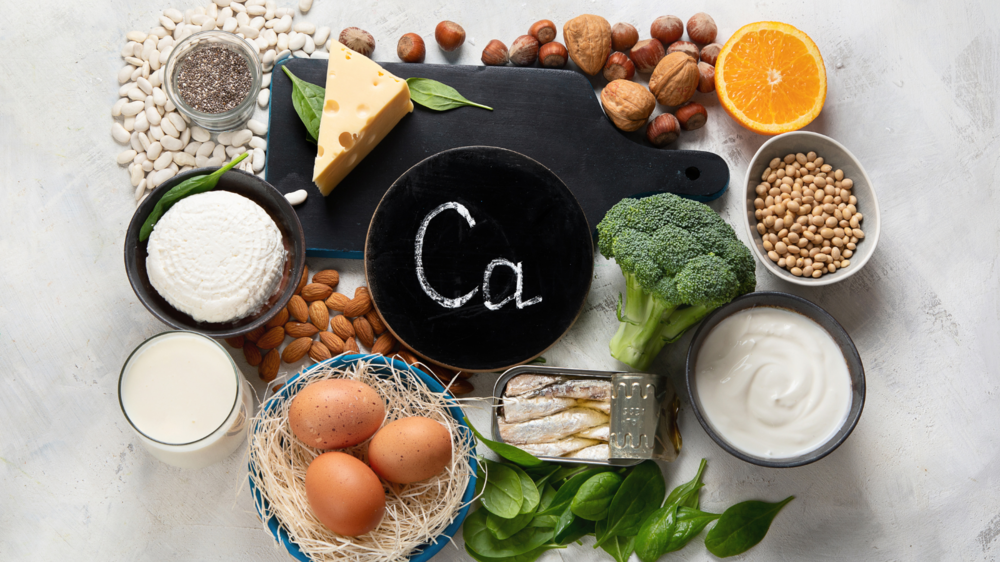
You don’t need costly or unusual foods to get enough minerals. Many traditional Indian foods are already excellent sources.Calcium-rich foods you can include.
- Milk, curd, buttermilk, paneer
- Ragi (finger millet), especially as porridge or dosa
- Sesame seeds (til), almonds, peanuts
- Green leafy vegetables like amaranth and drumstick leaves
- Soybeans and tofu
- Drinking water (levels vary by region)
- Tea leaves contain natural fluoride.
- Vegetables grown in fluoride-rich soil
What happens if intake is too low or too high?
Excess calcium, usually from unsupervised supplements, may cause constipation or kidney strain. Not getting enough fluoride can lead to more cavities, but too much can harm your teeth and bones. That’s why it’s best not to self-medicate. Low calcium intake may lead to:- Muscle cramps, back pain, and fatigue
- Increased risk of bone loss
- Higher chances of pregnancy-induced hypertension
Do supplements help, and when are they needed?
Take calcium tablets at a different time than iron supplements, and take them with meals to reduce stomach upset and improve absorption. Always follow your doctor’s dosage advice.How do lifestyle, sleep, and emotions connect to mineral health?
Stress can make it harder for your body to absorb nutrients. Not sleeping well or feeling anxious may also increase your cravings for less healthy foods, which can affect how much calcium you consume.Gentle exercise, like walking or prenatal yoga, improves bone strength and digestion. Sunlight exposure for 15–20 minutes daily supports vitamin D production, helping calcium absorption.
Support from your partner and family is important. When you feel encouraged, it’s easier to eat well, remember your supplements, and keep up with dental visits.
When should you contact a doctor?
Dental check-ups during pregnancy are safe and encouraged. Inform the dentist about your pregnancy before any procedure. Seek medical advice if you notice:- Persistent bone or joint pain
- Severe leg cramps
- Bleeding gums or tooth pain
- A history of kidney stones
- Known high fluoride levels in local water
What to Do Next: A simple checklist
- Review daily calcium intake from food.
- Take supplements only as prescribed.
- Drink safe, tested water.
- Maintain oral hygiene twice daily.
- Schedule one prenatal dental visit.
- Include gentle movement and sunlight.
- Ask for emotional and practical support.
Whether you’re pregnant, a new mom, or navigating postpartum, you don’t have to do it alone. Join our support group to connect, share, and support one another.
FAQs on How Much Calcium and Fluoride You Need During Pregnancy: India-Focused Guide
- Can I meet my calcium needs without dairy during pregnancy?
Yes. Ragi, sesame seeds, leafy greens, soy products, and fortified foods are sources of calcium. You may need supplements if intake remains low. Always discuss alternatives with a healthcare professional to ensure adequate absorption and overall balance. - Is fluoride toothpaste safe during pregnancy?
Yes. Using fluoride toothpaste is safe and recommended. It strengthens enamel and reduces cavities, especially when gums are sensitive. Avoid swallowing toothpaste and consult a dentist if you have concerns about local water fluoride levels.