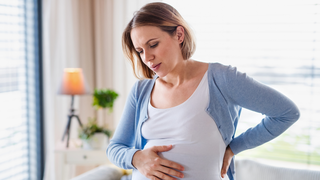
It happens because of the hormones that already behave differently. What it means is that your early pregnancy symptoms may look like regular PCOD symptoms. This can make it hard for you to tell whether you are really pregnant or not. You can be confident about your pregnancy once you know the reasons for the differences in your symptoms.
What Happens in PCOD That Affects Early Pregnancy Symptoms?
PCOD is a hormonal condition in which your ovaries produce high levels of androgens (male hormones). This condition causes missed periods, irregular ovulation, and the development of multiple small ovarian cysts.The hormone imbalance may cause your body to react differently to the pregnancy hormones, such as human chorionic gonadotropin (hCG) and progesterone. They are responsible for the early signs of pregnancy.
So, you may not notice much of a change or clear symptoms that appear in the first 2-3 weeks of pregnancy. The symptoms, if any, may feel like regular discomfort due to PCOD.
In this article:
Why Might You Not Notice Early Pregnancy Symptoms Right Away?
Several reasons can cause you to miss the early signs of pregnancy.- You may not realise if you have missed your period if your menstrual cycle is unpredictable, a common case of PCOD, or if it is the first sign of pregnancy.
- High androgen and insulin levels can delay or overlap with early pregnancy changes, such as tender breasts or mood swings.
- You may ovulate later than the typical day 14 of a 28-day cycle, which means conception and implantation also happen later.
- The hCG (pregnancy hormone) levels may rise slowly if you have PCOD, leading to milder or delayed symptoms.
Which Early Pregnancy Symptoms May Feel Different?
You will experience the early signs, but they will vary in terms of timing and intensity.- Missed Periods May Not Be a Clear Sign
- Fatigue Feels More Intense
- Breast Tenderness May Be Mild or Absent
- Nausea Might Appear Later
- Mood Swings and Bloating Can Be Confusing
When Should You Take a Pregnancy Test If You Have PCOD?
Irregular periods can make it difficult to time the pregnancy test, but you can take one at home.- Two weeks after ovulation (if you’re tracking it), or
- At least three weeks after unprotected intercourse if you are unsure of ovulation timing
What Can You Do to Support a Healthy Early Pregnancy With PCOD?
You can have a chance at a healthy pregnancy with the help of the following tips:- Track ovulation using apps or kits to help identify fertile days
- Eat a balanced diet that includes fibre-rich foods, lean proteins, and limit excess sugar
- Walking or prenatal yoga can improve insulin sensitivity; try to incorporate any of these gentle physical activities
- Take folic acid, Vitamin D, and inositol to support hormonal balance
- Meditation, deep breathing, or journaling can help regulate cortisol levels
What To Do Next: A Quick Checklist?
- Take a pregnancy test if your period is delayed by more than two weeks
- Track early signs, such as fatigue, nausea, or changes in appetite
- Keep taking your PCOD medication or supplements as advised by your doctor
- Stay consistent with healthy eating and gentle exercise
- Schedule your first prenatal visit as soon as pregnancy is confirmed
When Should You See a Doctor Immediately?
Mild symptoms are common with pregnancy and PCOD, but experiencing the following ones can be a sign of other problems:- Spotting or abdominal pain
- Severe dizziness or weakness
- Swelling of hands, face, or feet
- Vomiting or dehydration
Emotional and Mental Health: Don’t Forget Yourself
Living with PCOD can test your emotional strength, but you may feel anxious if you are also pregnant. You do not have to go through this alone. You can talk about your concerns with your partner. A support group can also help you cope with challenges positively. Remember, your body is capable of carrying a healthy pregnancy, but it may take a different path.Your body is unique, and so will your pregnancy experiences. If you have PCOD, the early signs may just look a bit different or appear later, but it is okay. You may recognise them later. PCOD does not stand in the way of your motherhood if you take care of your body, have patience, and seek support when you need it.
Whether you’re pregnant, a new mom, or navigating postpartum, you don’t have to do it alone. Join our support group to connect, share, and support one another.
FAQs on Why Early Pregnancy Symptoms May Differ for Women With PCOD?
- Why do women with PCOD have delayed pregnancy symptoms?
Early pregnancy symptoms may be less noticeable or appear later than usual if you have PCOD due to hormonal imbalance and irregular ovulation. - Can PCOD affect pregnancy test results?
PCOD will not affect the accuracy of tests. But implantation may occur later due to a delay in ovulation, which means your hCG levels will rise slowly. Therefore, testing early can yield a false result. - What are the best ways to confirm pregnancy with PCOD?
The best way to confirm pregnancy is through a blood test (beta-hCG) or an ultrasound scan by your doctor if you have irregular periods.