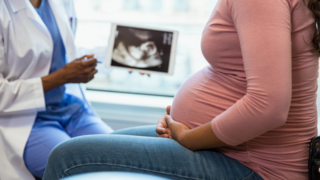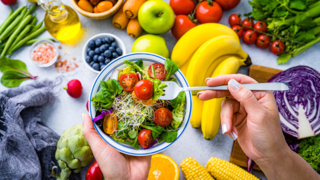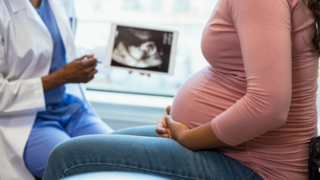
You probably hear a lot of opinions about what you should or shouldn't eat while being pregnant, particularly if you're a vegetarian. Some people may say a vegetarian diet is too light, while others believe it's healthier for both of you and the baby. But the question is, can an Indian vegetarian diet really influence your baby's weight gain?
In this article:
Does a Vegetarian Diet Provide Enough for Your Baby’s Growth?
Eating a vegetarian diet with dairy, lentils, veggies, whole grains, seeds, and nuts can totally help your baby gain a healthy amount of weight. These foods contain vitamins, minerals, proteins, and healthy fats, which your baby needs for healthy development.However, if a variety of proteins isn't included in your meals, your baby might not gain enough weight. Reports state that adequate protein intake (in pregnancy, around 60 to 75 gms each day) helps support healthy foetal development.
So yes, you can get everything from a vegetarian diet. All you need to do is combine the right kinds of foods.
Which Parts of an Indian Vegetarian Diet Are Good for a Baby’s Growth?
Certain foods in your everyday meals contribute well to your baby's growth:- Pulses (dal, chana, rajma, lobia) are rich in plant protein
- Dairy products (milk, paneer, curd, ghee) support brain and bone development
- Whole grains (roti, brown rice, dalia, millets) provide steady energy
- Healthy fats (ghee, nuts, seeds) improve fetal weight and brain development
- Iron-rich foods like spinach, beetroot, and jaggery can prevent anaemia, which messes with the baby’s growth
Can a Vegetarian Diet Stop a Baby from Weight Gain?
Yes, it can, mostly if:- You’re not getting enough protein in your meals
- You avoid high-protein or dairy foods
- You have irregular eating patterns or skip breakfast
- You're underweight during pregnancy
- Instead of balanced meals, you rely mostly on tea and snacks
Are You Eating Enough Protein for Your Baby’s Growth?
This is a crucial question because many Indian vegetarian diets are carb-heavy yet low in protein. A usual day often looks like this:- Breakfast: Paratha or Poha
- Lunch: Roti and veggies
- Dinner: Rice or Khichdi
- A bowl of curd
- 2 servings of dal
- 7 to 10 nuts
- A palm-sized portion of tofu or paneer
- 1 to 2 teaspoons of seeds (sesame, chia, flax)
How Do Micronutrients Influence Baby Weight Gain?
Micronutrients, i.e., the nutrients your body needs in small amounts, play a significant role in foetal development.- Iron supports oxygen flow to the baby and prevents anaemia.
- Calcium helps make bone health stronger.
- Omega-3 is a good fat that supports brain health and weight management.
- Vitamin B12 is essential for brain development.
What Eating Habits Support Healthy Foetal Weight Gain?
Your eating pattern matters as much as your diet.- Don't skip breakfast
- Eat small portions every 2 to 3 hours
- Drink 8 to 10 glasses of water regularly
- Include a protein source in every meal
- Avoid packaged juices and processed snacks
- Have fruits once or twice a day
What Should You Do for a Low Baby Weight?
Don't be afraid when your doctor mentions a smaller baby. Many babies catch up with a few diet modifications. Try including:- Banana milkshake
- Moong dal cheela
- Paneer paratha
- Dal khichdi with ghee
- Vegetable pulao with paneer
- Curd rice with peanuts
When to Consult a Doctor?
Consult your doctor if:- You're losing weight, not gaining
- You've had severe vomiting
- You have a low appetite
- Your baby's weight is consistently low on scans
- You feel extremely tired or dizzy
What’s Next?
- Include at least one dairy product regularly.
- Avoid skipping meals.
- Drink plenty of water.
- Add protein to all meals.
- Eat colourful veggies.
- Talk to your doctor about iron, calcium, or B12 pills.
- Keep an eye on your weight gain.
Emotional & Social Factors
Being stressed about food when you’re pregnant is normal, especially if you’re thinking about your baby. Talk to your partner or close ones about what you need. Ask for help with cooking or meal preparation whenever you lack energy. Emotional support helps you eat better, rest more, and stay positive, all of which indirectly influence your baby's growth.Your Indian vegetarian diet can completely support healthy weight gain for your baby as long as it's balanced, varied, and rich in nutrients and protein. With the right eating habits and meal choices, you can ensure a healthy foetal development, without needing non-vegetarian food. Stay alert, pay attention to your body, and work closely with your doctor to track your baby's progress.
Whether you’re pregnant, a new mom, or navigating postpartum, you don’t have to do it alone. Join our support group to connect, share, and support one another.
FAQs on How Indian Vegetarian Diets Support or Slow Down Baby Weight Gain
- While being pregnant, can a vegetarian diet affect my energy?
It might, mostly if you’re not getting adequate protein or iron. You could feel tired. But if you eat a sufficient amount of dairy, lentils, veggies, nuts, and take supplements your doctor suggests, you can be energetic while pregnant. - Is it safe to add protein powders or nutritious drinks to my diet?
Yes, but only after your doctor approves. Some powders contain added sugars or ingredients that may not be suitable during pregnancy. Your doctor can suggest pregnancy-safe options if required. - Do babies of vegetarian mothers grow differently in the last trimester?
Most growth occurs in the third trimester, and vegetarian mothers can easily support this with high-protein, nutrient-packed foods. There's no difference in growth if your protein and calorie needs are met.