In this article:
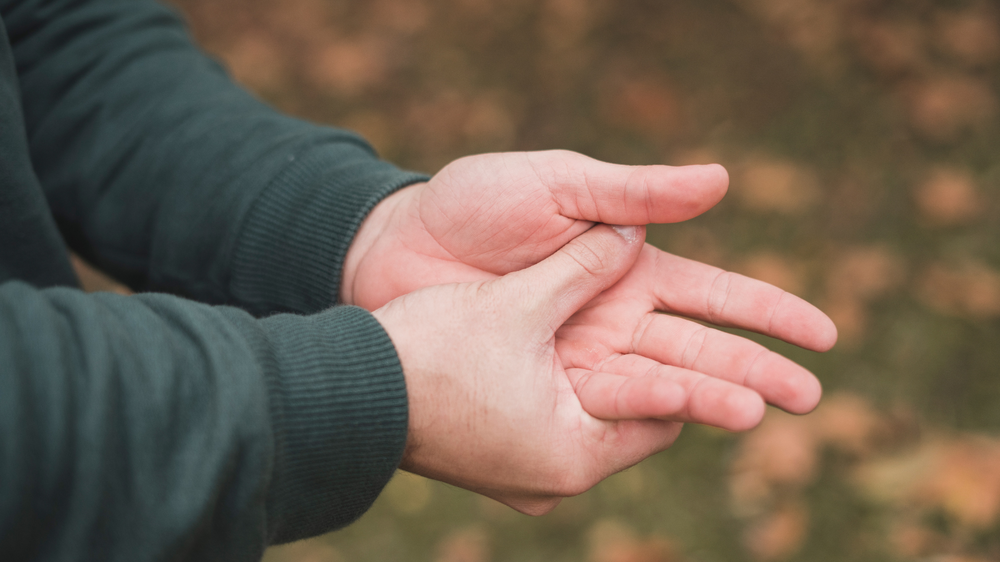
What Do Itchy Palms & Feet Feel Like?
Itching during pregnancy, medically termed as pruritus, affects 20 to 25% of expectant mothers. In many cases, it is harmless and related to skin stretching or dryness. However, itching on your palms or soles may require serious attention. Sometimes, it points to problems inside your body, not just surface skin issues. This type of itching isn’t usually accompanied by skin redness, which might make you feel anxious or confused.What Causes Pregnancy-related Itching?
Multiple reasons contribute to skin itching, such as:- Hormonal fluctuations that make your skin more reactive
- A boost in blood circulation to the surface skin
- Skin stretching, especially in the final stage
- Dryness due to fluid changes in the body
Why Do Your Palms & Feet Get Itchy Specifically?
How Do Hormones Make Your Nerves More Reactive?- Once you conceive, your skin becomes more reactive due to a surge in oestrogen levels. Areas like the palms and soles are particularly sensitive because they have many nerve endings and respond strongly to hormonal shifts. This is why itching may feel more intense in those areas.
- Yes. Intrahepatic Cholestasis of Pregnancy, also known as ICP, is a condition you should know about. It happens when the flow of bile from the liver slows down, causing bile acids to accumulate in the blood.
- Affects 1 or 2 out of a hundred pregnancies
- Usually starts in the final stage of pregnancy
- Causes strong itching, especially on palms and soles
- It often aggravates at night.
What Are the Warning Signs?
You should contact your doctor if your itching:- Is severe or doesn’t go away
- Gets worse at night
- Happens even when you don’t have a rash
- Mainly affects your palms and soles
- If you have dark-coloured urine, pale-coloured bowel movement, or yellowish eyes
Is Itching Always Dangerous for You & Your Baby?
Not always. Most itching during pregnancy isn't dangerous. However, conditions like ICP require medical treatment, as high bile acid levels can raise the risk of:- Foetal distress
- Preterm delivery
- Stillbirth (rare but serious if not treated)
How Is the Cause of Itching Diagnosed?
Your doctor may suggest:- Blood tests to check liver function
- Physical examination to identify skin conditions
What Can You Do to Relieve Itchy Palms & Feet?
Simple relief measures to try:- Use moisturisers that don’t have a smell to keep your skin healthy
- Take a shower in warm water instead of a hot bath
- Wear breathable, comfortable clothes
- Use mild soaps and detergents
How Do You Feel When Itching Doesn’t Get Better?
Prolonged itching can disrupt sleep, intensify fatigue, and increase emotional stress. Not getting enough sleep can distress mood, focus, and overall well-being for expectant mothers. If you’re having a rough day, talking to your loved ones could help take the stress off your shoulders. They could help you with household responsibilities and motivate you to take breaks. Emotional support can make it easier to deal with physical symptoms.What to Do Next?
- Monitor when and where the itching occurs
- See if the itching gets worse at night
- Don’t try medicines by yourself
- Look for other signs, such as dark urine
- Stay hydrated and eat healthy food
- Attend all the scheduled check-ups
- Seek medical advice if itching doesn’t get better within a few days
Can Lifestyle Choices Help Get Cured?
Yes, changing your lifestyle might not help with medical conditions, but it can improve your well-being:- A healthy diet helps keep your liver functioning properly
- Drinking enough water helps improve your skin
- Managing stress helps reduce symptom intensity
- Minor changes can ease discomfort
Whether you’re pregnant, a new mom, or navigating postpartum, you don’t have to do it alone. Join our support group to connect, share, and support one another.
FAQs on Why Some Women Experience Itchy Palms or Feet While Pregnant
- Can itchy palms and feet appear early in pregnancy?
Yes. Mild itching can occur at any stage due to hormonal fluctuations, but severe itching mostly occurs during the final stage of pregnancy. - Does staying hydrated reduce pregnancy itching?
Staying hydrated can help reduce skin dryness, but it may not relieve itching caused by liver-related complications. - Will itching go away after delivery?
In most cases, particularly with conditions such as ICP, itching typically resolves within a few days to a few weeks after delivery.