In this article:
Let’s discuss the common signs, how oral inflammation affects hormones, and tips to support both oral health and the body’s broader hormonal harmony.
What are the Red Flags That Showcase Hormonal Imbalance?
Consider a hormonal evaluation if oral signs are disproportionate or unexplained:- Gingival inflammation despite excellent oral hygiene
- Recurrent aphthous ulcers
- Burning mouth without a local cause
- Severe periodontitis in young patients
- Xerostomia without medication usage
How Hormonal Imbalance Affects Oral Inflammation?
Hormonal fluctuations can profoundly influence oral health, altering immune responses, tissue integrity, and inflammation, often making gums and oral tissues more sensitive to everyday challenges.- Oestrogen & Progesterone
Effects of Increased Oestrogen/Progesterone:
Gingival oedema (swelling)
Increased bleeding on probing
Exaggerated inflammatory response to dental plaque
Common Scenarios:
- Puberty gingivitis: Hormonal surges increase gingival sensitivity.
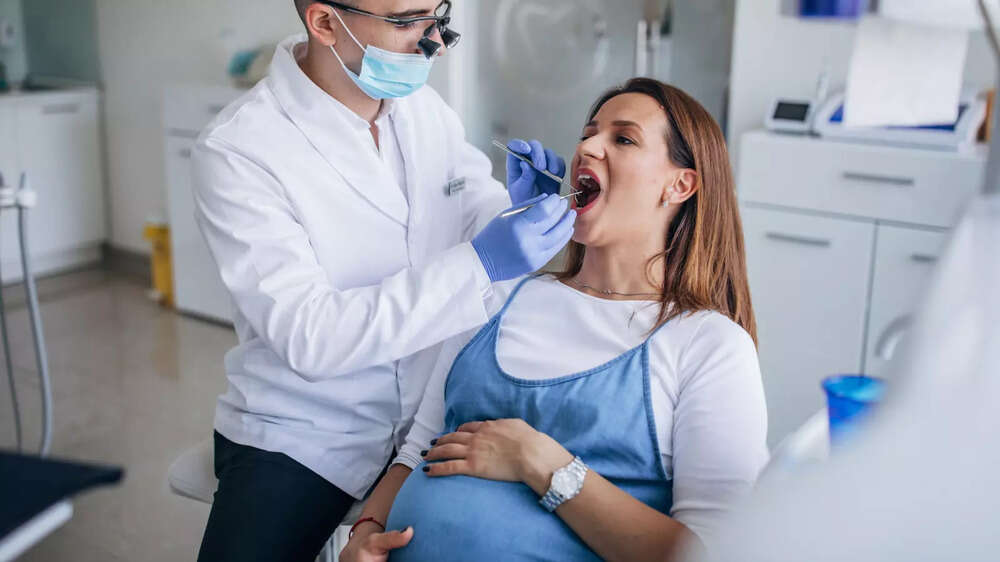
- Pregnancy gingivitis/pregnancy epulis: Localised overgrowths and inflammation due to elevated hormones.
- Menstrual cycle-related gingival changes: Periodic swelling or bleeding may coincide with cycle phases.
- Menopause: Reduced oestrogen may lead to burning mouth syndrome, dry mouth (xerostomia), and accelerated periodontal breakdown.
- Diabetes and Insulin Resistance
Mechanisms:
- Formation of advanced glycation end products (AGEs)- tissue damage
- Impaired neutrophil function- reduced infection control
- Increased pro-inflammatory cytokines (IL-6, TNF-α)- exaggerated local inflammation
- Severe periodontitis
- Poor wound healing after dental procedures
- Recurrent oral infections (e.g., candidiasis)
Periodontitis itself can worsen glycaemic control, creating a vicious cycle between oral and systemic health.
- Cortisol (Stress Hormone)
Oral Effects:
- Increased susceptibility to aphthous ulcers
- Flare-ups of lichen planus
- Inflammation related to bruxism (teeth grinding)
- Delayed healing following dental procedures
Mechanism:
Cortisol suppresses systemic immune surveillance while locally increasing the production of inflammatory mediators.
- Thyroid Hormones
Hypothyroidism:
- Macroglossia (enlarged tongue)
- Delayed tooth eruption
- Increased periodontal inflammation
- Accelerated periodontal breakdown
- Heightened sensitivity to catecholamines- exaggerated inflammatory responses
How Oral Inflammation Can Contribute to Hormonal Dysregulation?
- Systemic Inflammatory Load
- PCOS and Periodontitis
How Can Oral Inflammation Contribute to Hormonal Dysregulation?
Oral Care- Rigorous Plaque Control
- Periodontal Therapy
- Short-Term Antimicrobial Mouth Rinses
- Address Xerostomia
Systemic Management
- Optimise Glycaemic Control
- Correct Hormonal Deficiencies or Excesses
- Stress Reduction Strategies
- Anti-Inflammatory Diet
Oral inflammation not only reflects underlying hormonal imbalances but can also actively worsen them, highlighting the importance of integrated oral and systemic health care.
Note: Individuals experiencing oral or hormonal health concerns should consult a qualified dentist, physician, or healthcare specialist for personalised medical care.
Oral inflammation may influence stress responses, thyroid function, reproductive health, and metabolic balance. Implementing the right tips, such as maintaining good oral hygiene, adopting anti-inflammatory habits, and seeking timely dental care, may help individuals support their oral health and overall hormonal well-being. Furthermore, staying consistent with these tips is crucial to experiencing visible results.
You’re not alone in your journey when trying to conceive. Join our supportive community to connect with others, share experiences, and find encouragement every step of the way.
FAQs on How Can Oral Inflammation Disrupt Your Hormones?
- Can improving oral health balance hormones?
Better oral hygiene may reduce systemic inflammation, which supports healthier hormonal function, but it may not replace medical treatment. - Can hormonal changes make gum disease worse?
Yes. Hormonal fluctuations during puberty, pregnancy, menopause, or menstrual cycles can increase gum sensitivity and inflammation. - Can teeth grinding increase gum stress?
Yes, bruxism (teeth grinding) puts pressure on gums and supporting tissues, contributing to inflammation and discomfort. Night guards often help reduce strain.