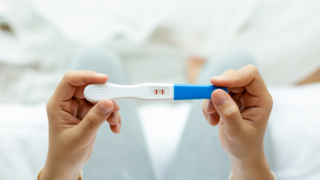
Week 1 involves more than just hormones. It is also about hope, uncertainty, past experiences, and expectations. No matter the outcome of this cycle, your feelings deserve care and attention.
In this article:
What Is Happening in Week 1 Inside the Body?
Week 1 starts just after ovulation. Progesterone increases to get the uterus ready. This hormone also affects calming brain chemicals like GABA and serotonin. When levels change quickly, you might feel anxious, low, or more sensitive. If conception happens, the hormone hCG starts to rise early on. Your nervous system can sense these changes even before a pregnancy test shows a result.Studies show that progesterone peaks about 7 to 10 days after ovulation, which is when PMS and early pregnancy symptoms often overlap. This is why your body can feel different before you know what is happening.
Confused by pregnancy or fertility advice online? Get clarity from experts atTimes Future of Maternity 2026.
Is It PMS or Early Pregnancy Anxiety? Why It Feels So Similar
PMS and early pregnancy have similar hormone patterns. This is why their symptoms are often so much alike. With PMS, symptoms usually get better once your period begins. In early pregnancy, emotional changes may last longer or gradually intensify. Common shared emotional signs include:- Sudden irritability or sadness
- Heightened anxiety or restlessness
- Feeling unusually sensitive or tearful
- Trouble concentrating
- Emotional fatigue without an apparent reason
Why Emotional Symptoms Often Feel Stronger Than Physical Ones
The brain responds to hormones faster than the body does. Emotional changes can happen within hours, but physical signs like nausea or sore breasts may take days to appear. Research shows that almost 70% of people notice mood changes as their first premenstrual symptom. Being aware of your emotions is not a weakness. It is your nervous system reacting to changes.If you have gone through fertility stress, loss, or long cycles, your anxiety may feel stronger. Your mind can remember past disappointments even when your body is hopeful.
What Emotional Changes Are Considered Normal in Week 1?
Normal does not always mean easy, but it does mean these feelings are common and will pass. You may notice:- Mood swings that come and go during the day
- Feeling emotionally “raw” or easily triggered
- Overthinking bodily sensations
- A strong need for reassurance
- Emotional closeness or withdrawal
How Lifestyle, Sleep, and Nutrition Influence Week 1 Emotions
Even small changes can feel overwhelming during this time.Sleep:
Getting less than 6 or 7 hours of sleep can raise cortisol by up to 30%. Poor sleep can make anxiety and mood swings worse.
Nutrition:
Low levels of iron, vitamin B12, and magnesium are common in Indian diets and can worsen mood symptoms. Skipping meals can cause blood sugar drops that feel like panic.
Movement:
Taking a gentle walk for 20 to 30 minutes can boost serotonin without putting stress on your body. Hard workouts make you feel more irritable during this time.
What Can Help Ease Anxiety Without Suppressing Emotions?
Try not to have stimulants late in the day. Even two cups of strong tea after 4 pm can affect your sleep and mood. The goal is not just to stay positive but to feel safe. Helpful strategies include:Slow breathing: inhale for four counts, exhale for six counts, for 5 minutes.
Grounding rituals: Warm showers, foot soaks, or sitting in sunlight
Limit checking your symptoms online: Repeated searching can make anxiety worse.
Balanced meals: Include protein, whole grains, and healthy fats
How Can Partners and Family Offer Real Support?
Emotional validation matters more than solutions. Emotional safety improves hormonal balance. Feeling supported is not emotional dependence; it is biological regulation. Support looks like:- Listening without correcting feelings
- Avoiding “just relax” statements
- Sharing daily routines to reduce isolation
- Gentle reassurance without pressure
When Should You Contact a Doctor?
Mood changes are common, but some signs need medical attention. Getting mental health support early can help your emotional well-being and may improve future pregnancy outcomes. Seek medical advice if:- Anxiety feels unmanageable or constant.
- Sleep is disturbed for more than 5 nights.
- Panic symptoms include breathlessness or chest pain.
- Low mood lasts beyond the start of bleeding.
What to Do Next: A Gentle Week 1 Checklist
- Track emotions without judging them.
- Prioritise sleep and regular meals.
- Choose calm movement over intense workouts.
- Reduce online symptom comparison.
- Share how you feel with one trusted person.
- Delay testing until at least 12–14 days after ovulation
Whether you’re pregnant, a new mom, or navigating postpartum, you don’t have to do it alone. Join our support group to connect, share, and support one another.
FAQs on PMS or Pregnancy in Week One? Decoding Emotional Changes Early On
- Can anxiety be the first sign of pregnancy?
Yes. Hormonal shifts after conception can affect the nervous system before physical symptoms appear. Anxiety alone cannot confirm pregnancy, but it is a common early experience when combined with emotional sensitivity, fatigue, or sleep changes. Testing too early may increase stress rather than clarity. - How long do Week 1 emotional symptoms usually last?
If your symptoms are from PMS, they usually get better within a day or two of your period starting. If they are from early pregnancy, they may last longer or slowly increase. If symptoms do not go away or get worse, it is important to seek medical or mental health support, no matter the pregnancy outcome.