In this article:
Muscles that Support Labour
The pelvic floor is a hammock or bowl-shaped group of muscles, ligaments and connective tissues stretching from the pubic bone to the tailbone. During vaginal birth, the pelvic floor muscles stretch up to 3.3 times for the baby to pass through the birth canal. This process can be extremely painful and may lead to injuries or pelvic trauma.These muscles don't push the baby out. Instead, they stretch and widen the vaginal canal, providing a pathway and guiding the baby’s head through the pelvic outlet.
During early labour, pelvic muscles soften and stretch slightly. At the time of active labour, pelvic muscles stretch significantly as the cervix dilates. At last, these muscles stretch and thin to the maximum to allow the baby’s head to crown and expel. Mother's pushing efforts are important for a safe delivery.
Evidence-based Ways to Prepare Your Pelvic Floor for Labour
RelaxationPelvic floor relaxation is important to lengthen and stretch the pelvic muscles and reduce trauma during labour. Mindfulness, meditation, muscle relaxation, and guided visualisation promote relaxation.
- Diaphragmatic Breathing: Belly breathing or mindful breathing techniques reduce labour duration and pain intensity, and promote calm to soften the pelvic floor.
- Pelvic Drops: By lying on one side, gently relaxing and stretching the pelvic floor muscles signals the neuromuscular system to recognise and relax muscles on demand.
- Hip-Opening: Stretches including deep squats, butterfly position, child's pose, pigeon pose, improve pelvic outlet flexibility and effective baby positioning.
Strengthening the pelvic floor reduces back pain, helps you support the belly and reduces postpartum issues. However, it is important to avoid over-clenching during exercise to avoid tightening the muscles.
- Gentle Kegels: Comfortably sit or lie and lift the pelvic floor gently. Contract the pelvic floor muscles slowly and hold for 3 to 10 seconds, and release fully. Do this in 2-3 sets with 8-12 repetitions per set. Gentle Kegels strengthen the muscles without putting pressure or fatigue.
- Lift-Hold-Release Technique: Slowly contract and lift the muscles, hold the position and breathe. Gradually release the muscles. This helps relax after contraction and prevents tearing and tightness.
- Avoid Over-clenching: Don't hold your breath and maintain a controlled breathing pattern. Only engage pelvic muscles and avoid the abdomen, glutes, and thigh muscles.
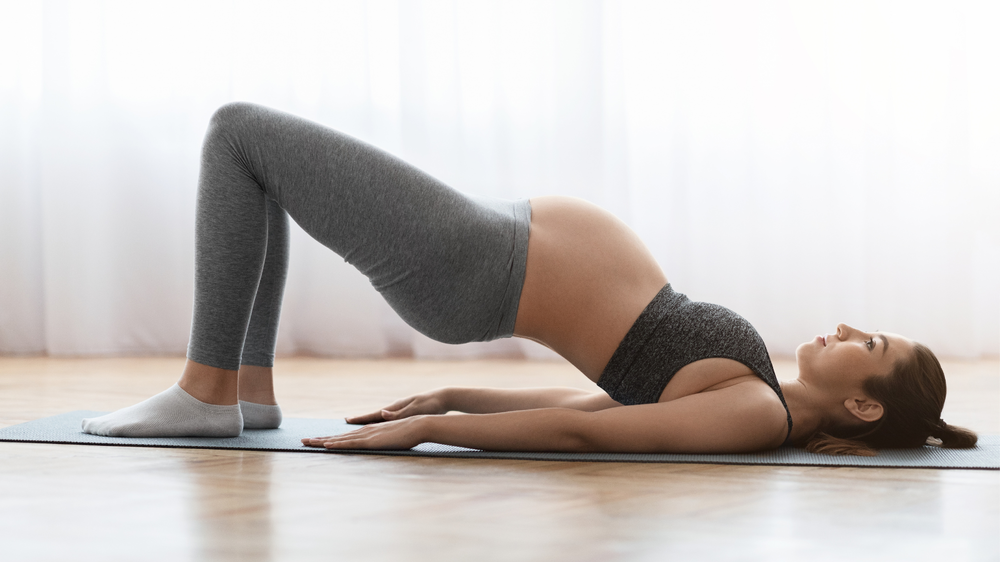
- The diaphragm, multifidus, pelvic floor, and transverse abdominis are deep core muscles. These muscles support the spine and pelvis. Training the deep core muscles and the pelvic floor together stabilises the pelvis, maintains posture, supports the abdomen, and improves pushing efficiency. Effective synergy training includes pelvic bridges, squats, pilates, and yoga.
Perineal massage plays a crucial role in reducing perineal trauma, pain, and complications during vaginal birth. You can start perineal massage around 34 weeks. Perineal massage involves gently stretching and massaging the perineum (area between the vagina and the anus).
- Wash your hands thoroughly.
- Use a moisturising balm or oil as a lubricant
- Lie on your back with your knees bent or sit in a reclined position
- Insert thumbs about 3 to 4 cm into the vagina
- Gently push downwards towards the anus and then to the sides of your vagina and massage the area.
- Stretch for up to 5-10 minutes. Do it 3 times a week from 34 weeks.
Prenatal Yoga and Mobility Training
Prenatal yoga supports muscle strength and flexibility, promotes relaxation, and keeps unwanted stress at bay. Prenatal yoga and mobility exercises promote labour readiness and reduce pregnancy-related discomfort.
- Cat-Cow Pose: It improves spinal mobility, pelvic alignment, and reduces lower back pain and pelvic floor tension.
- Deep Squats: Improve hip flexibility and fetal positioning.
- Child's Pose: Stretching lower back, hips and pelvic floor muscles softens the pelvis and relaxes muscles, paving the way for smooth and effective labour.
- Practising side-lying position, hands-and-knees position, supported squat, and leaning positions reduces the duration of the second stage of labour, enhances pelvic floor function, promotes fetal position, and reduces perineal trauma. Use a birthing stool or ask your partner for support. Practising these positions often increases control and satisfaction during childbirth.
- Controlled breathing is important to guide muscle relaxation, reduce injury, and optimise pushing. It also helps you focus, preserve energy, and relieve pain. Deep breathing also delivers oxygen to muscles and babies. Rhythmic breathing distracts you from pain and triggers endorphin release.
- When practising the above techniques, make sure you are not overdoing or pushing yourself too hard. Overdoing Kegels may cause pelvic discomfort, especially during labour. Don't involve yourself in running, jumping, or heavy lifting, which may strain your pelvic floor and cause urinary stress. Poor posture and shallow breathing affect core stability and function. Poor posture puts a strain on the pelvic floor and increases the risk of dysfunction.
- Preparing your pelvis for birth contributes to a safe and smooth birthing experience. Preparing earlier makes the stretching easier during descent, supports pushing and protects the perineum during crowning. As labour approaches, stress and anxiety are common. Following breathing and visualisation may help you reduce pain perception and have a smooth labour.
Whether you’re pregnant, a new mom, or navigating postpartum, you don’t have to do it alone. Join our support group to connect, share, and support one another.
FAQs on How To Prepare Your Pelvic Floor for Birth: Evidence-Based Techniques For Expectant Mothers
- Can you carry a baby with a weak pelvic floor?
Carrying a baby with a weak pelvic floor is possible. Mild weakness in the pelvic floor does not affect conception. However, it may increase the risk of incontinence, prolapse, perineal tearing and difficulty in recovery after birth. If you have a weak pelvic floor, immediately consult with a doctor and start strengthening early. - What are the signs of a weak pelvic floor?
Signs of weak pelvic floor:- Urine leakage when coughing, laughing, sneezing, or making sudden movements
- Heaviness or fullness in the pelvic area
- Pain and discomfort in the lower abdomen, perineum, hips, vagina, and lower back
- Constipation and difficulty emptying the bladder fully
- Pain during intercourse