In this article:
Key Principles of Gentle Birth
The gentle birth philosophy revolves around three pillars:- Respect for the Mother’s Body: Allowing natural labour to unfold without rushing or forcing progress.
- Calm Environment: Dimming lights, reducing noise, and keeping the mother emotionally at ease.
- Empowerment Through Information: Helping women feel confident in their decisions about pain relief, movement, and delivery options.
How Gentle Birth Differs from Traditional Labour
Traditional hospital births often focus on medical efficiency — monitoring, managing contractions, and maintaining clinical control. Gentle birth, on the other hand, integrates evidence-based care with emotional awareness and sensitivity.| Aspect | Traditional Birth | Gentle Birth |
| Environment | Bright lights, multiple staff, medical focus presence | Dim lights, minimal noise, calming presence |
| Communication | Instructions to mother | Collaboration with mother |
| Pain Relief | Often, medical (epidural, induction) | Natural methods first, medicine if needed |
| Labour Progress | Timed and monitored | Allowed to unfold naturally |
Baby’s Arrival: Focus on immediate medical checks, Skin-to-skin, bonding, and delayed cord clamping. Gentle birth doesn’t exclude medical intervention — it simply ensures that every step respects the mother’s comfort, consent, and emotional state.
Why More Mothers Are Choosing Gentle Birth
Modern women are better informed, more connected, and more vocal about their birth experiences. They want to feel present, not passive, during labour. Top reasons mothers prefer a gentle birth:- Reduced fear and anxiety through mindfulness and preparation.
- Lower likelihood of unnecessary interventions like inductions or C-sections.
- Faster recovery due to less physical trauma.
- Stronger emotional bonding with the baby.
- A sense of accomplishment and empowerment.
The Role of Mind and Body in Gentle Birth
Gentle birth relies on the mind-body connection, the belief that a calm mind helps the body labour more efficiently.The body releases adrenaline in response to stress or fear, which can delay labour. By encouraging the release of oxytocin, the "love hormone," through breathing, touch, and relaxation, gentle birth techniques can help combat this. Essential mind-body techniques for a gentle birth:
- Deep Breathing: It reduces pain perception and slows the heartbeat.
- Manifestations: Self-affirming statements like "My body knows what to do."
- Visualisation and meditation: Concentrating on peaceful imagery while having contractions.
- Massage and movement: Relieve tension and aid in baby positioning.
- Music and aromatherapy: Soothes the senses and lowers anxiety.
Medical Safety Within Gentle Birth
Contrary to popular belief, gentle birth does not disregard medical science. It carefully incorporates it. Safety is the primary concern of physicians and midwives who have received training in gentle birth techniques. Interventions are carried out politely, with informed consent and a thorough explanation, and in the event of complications.For instance, an epidural or induction can still be part of a gentle birth — what matters is that the mother feels informed, respected, and involved in every decision. It ensures that even in medical interventions, safety and respect are maintained, making the mother feel secure and well-informed.
The Rise of Gentle Birth in India and Beyond
Maternity centres, childbirth educators, and social media communities are helping to raise awareness of gentle birthing in India. By designing serene birthing rooms with soft lighting, movable beds, and areas for partners to participate, hospitals are adjusting.Globally, countries such as the UK, the Netherlands, and Australia have integrated gentle birth principles into their maternity care systems, encouraging midwife-led, parent-centred delivery models.
This global shift reflects a universal truth — birth is not just a medical possibility, but an emotional milestone. It also makes the audience feel part of a growing movement gaining global acceptance.
Preparing for a Gentle Birth: A Step-by-Step Guide
- Find the Right Care Team: Select a doctor or midwife who supports gentle birthing practices.
- Create a Birth Plan: Outline your preferences for pain relief, lighting, music, and any other interventions you would like to have during labour and delivery.
- Attend prenatal classes to learn relaxation, breathing, and partner support techniques.
- Practise Mindfulness: Meditation and yoga improve focus and calm.
- Involve Your Partner: Gentle birth is a shared experience — partners can provide comfort and reassurance.
- Stay Flexible: Every birth unfolds differently. The goal is calmness, not control.
How Partners Play a Role in Gentle Birth
The partner’s role is more than moral support. In gentle births, they are an active participant in maintaining calm and emotional connection. Ways partners can help:- Provide physical comfort through massage or holding hands.
- Help with breathing cues during contractions.
- Advocate for the mother’s preferences with hospital staff.
- Create a safe, positive space through reassurance and presence.
Gentle Beginnings for the Baby Post Birth
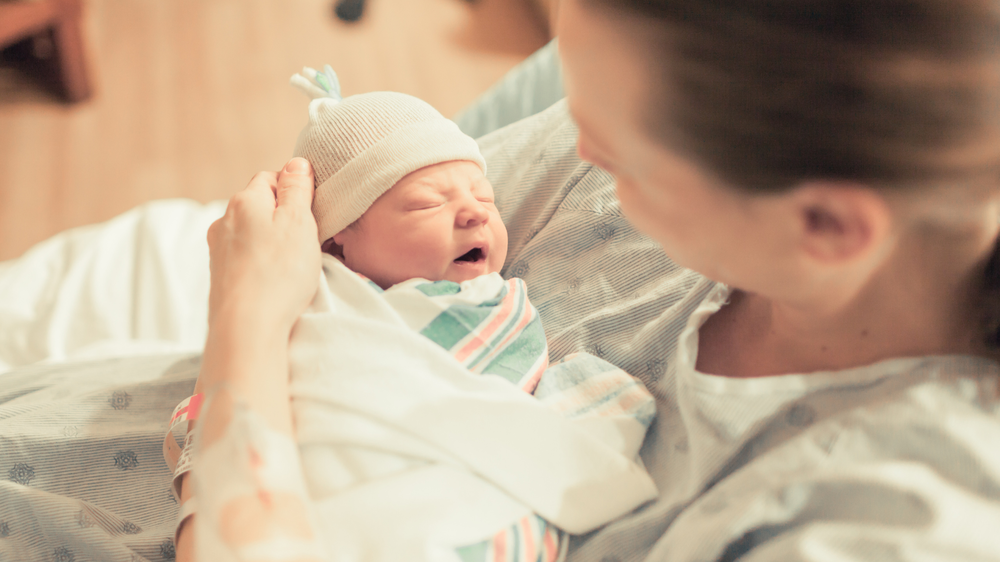
Gentle birth extends beyond delivery. The baby’s first minutes are equally sacred. Post-birth practices include:- Immediate skin-to-skin contact.
- Delayed cord clamping for better blood flow.
- Soft voices, dim lights, and warmth to prevent sensory shock.
- Early breastfeeding initiation.
These small acts lay the foundation for trust, bonding, and emotional security.
Gentle birth is about redefining strength altogether, not about being strong on your own. It serves as a reminder to mothers that giving birth is an experience that should be fully and consciously enjoyed rather than something to be feared.
Gentle birth enables women to reclaim childbirth as a time of strength and tranquillity by fusing compassion, science, and mindfulness. Respect, awareness, and love are at the core of gentle birthing, whether it takes place in a hospital or at home, with or without medical assistance, because a baby feels safe when the mother feels safe.
Whether you’re pregnant, a new mom, or navigating postpartum, you don’t have to do it alone. Join our support group to connect, share, and support one another.
FAQs on The Rise of Gentle Birth: What It Means and Why Mothers Are Choosing It
- Is a gentle birth only for natural deliveries?
No, it can apply to any birth — vaginal, induced, or even caesarean. The focus is on emotional calm and informed choice. - Does gentle birth mean no pain relief?
Not at all. Pain relief can be part of a gentle birth if it supports the mother’s comfort and choice. - Can I have a gentle birth in a hospital?
Yes, many hospitals now support gentle births with calm environments, midwife-led care, and flexible birth plans.