In this article:
What is the TORCH Test During Pregnancy?
The TORCH test is a simple group of blood tests doctors use during pregnancy to check for infections that can pass from a mother to her baby. The name stands for Toxoplasmosis, Other infections (such as syphilis or parvovirus B19), Rubella, Cytomegalovirus, and Herpes simplex virus.Why the TORCH Test Matters for a Healthy Pregnancy
The TORCH test lets you start your pregnancy with peace of mind, knowing potential threats are under control. If an active infection is detected, timely treatment can prevent serious issues such as premature birth, low birth weight, miscarriage, or damage to the baby’s developing organs. Doctors usually recommend this test in the first trimester, or sooner if there are symptoms or risk factors.Even before trying to conceive, the TORCH test can check your immunity to help you plan a safer pregnancy.
What are the Infections Covered in the TORCH Test During Pregnancy
Take a closer look at what each letter stands for and how these infections might reach your baby:- Toxoplasmosis (T): This comes from a parasite often linked to undercooked meat or contact with cat faeces. If passed on, it could lead to blindness, deafness, intellectual challenges, or seizures in the baby.
- Other infections (O): This group includes syphilis, a bacterial sexually transmitted infection that spreads through contact with sores and can cause stillbirth or birth defects. It also covers varicella-zoster (chickenpox), parvovirus B19 (fifth disease, spread by coughing or sneezing), and sometimes hepatitis B or C, Epstein-Barr virus, measles, or mumps. These can result in low birth weight, hearing loss, or developmental troubles.
- Rubella (R): Known as German measles, this viral illness spreads easily through sneezes or coughs. Though vaccines have made it rare, it can still trigger miscarriage, stillbirth, premature birth, or changes in the baby’s vision and hearing if you’re not immune.
- Cytomegalovirus (CMV) (C): A common herpes virus passed through saliva or bodily fluids, such as during sexual contact. It often causes long-term issues for babies, including problems with eyesight, hearing, and mental growth.
- Herpes simplex virus (HSV) (H): This sexually transmitted virus, with types affecting the mouth or genitals, usually passes to the baby during vaginal delivery. It might lead to preterm birth, miscarriage, sores on the baby’s eyes or mouth, or damage to the brain and organs.
How Is the TORCH Test Done During Pregnancy?
Getting ready for the TORCH test is simple and stress-free. No fasting is required, so you can eat and drink as usual.Here’s a simple breakdown of the TORCH test procedure:
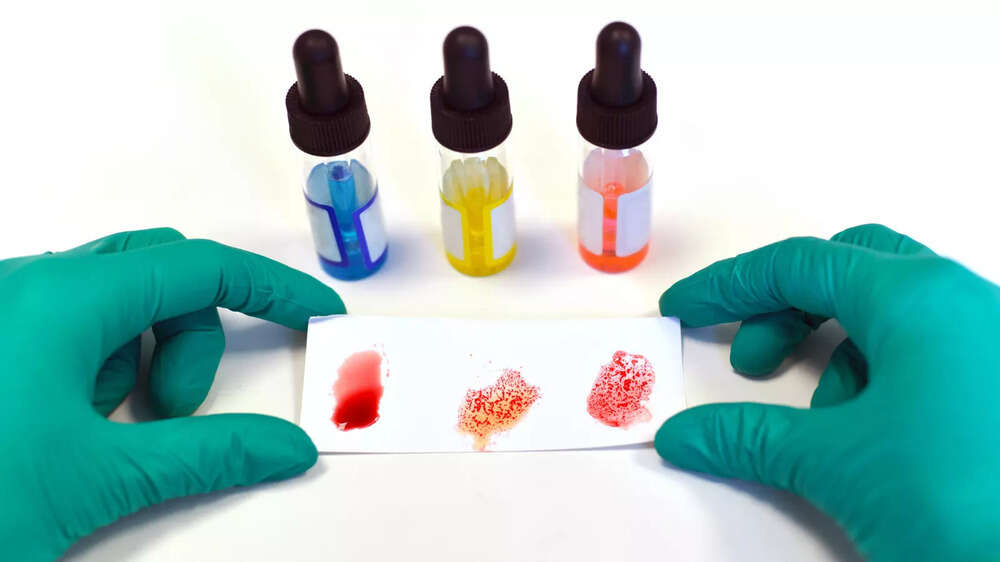
- Blood sample collection: A trained phlebotomist or nurse draws a small blood sample from a vein in your arm using a sterile needle. Most people only feel a quick pinch during the blood draw.
- Sample handling: The blood is collected in a vial and sent to the laboratory for analysis.
- Laboratory analysis: Specialists test the sample for IgM and IgG antibodies using advanced techniques like PCR or viral cultures.
- Receiving results: Results are typically ready in a few days, allowing your doctor to review them and discuss the next steps with you.
What Do TORCH Test Results Mean?
TORCH test results reflect the levels of specific antibodies in your blood, which can vary depending on your age, health history, and lab standards.- A negative result means no antibodies were detected, indicating no current or past infection.
- Positive IgM suggests a recent or active infection that may need attention.
What Are the Normal TORCH Test Ranges?
Labs use standard ranges to help interpret TORCH test results. Keep in mind that these ranges can vary slightly between facilities, so it’s always best to check your specific report and discuss it with your doctor.| Parameter | Normal Range |
| Rubella IgG | Less than 10.0 |
| Rubella IgM | Less than 0.80 |
| CMV IgG | Less than 0.50 |
| Toxo IgG | Less than 1.0 |
| Toxo IgM | Less than 0.80 |
| CMV IgM COI | Less than 0.70 |
| HSV IgG Index | Less than 0.90 |
| HSV IgM Index | Less than 0.90 |
The TORCH test during pregnancy is just one small step to safeguard your pregnancy. Identifying hidden infections early helps you and your doctor take timely steps to protect your baby’s health and development.
FAQs on Understanding the Importance of the TORCH Test During Pregnancy
- Can the TORCH test in pregnancy give false positives or negatives?
Yes, though rare, the TORCH test can give false positives or negatives due to testing too early after exposure, cross-reactivity, or lab errors. - How accurate is the TORCH test during pregnancy?
The TORCH test is generally highly accurate when performed in a certified laboratory, but timing of testing and lab standards can influence results.