In this article:
Why Babies Appear to Have Flat Feet
During the first few years, the foot is primarily cartilage. The structure is soft and pliable, and the ligaments holding the bones together are still loose. These factors make the foot look flat when the baby stands or walks. Several developmental aspects influence foot shape in early years:- Fat padding hides the arch temporarily
- Bones are not fully hardened
- Ligaments are flexible and stretch easily
- Babies spend more time crawling than walking
Confused by pregnancy or fertility advice online? Get clarity from experts at the Times Future of Maternity 2026.
Common Causes of Persistent Flat Foot
While most children develop arches naturally, this condition can persist beyond early childhood.Here are a few possible causes:
- Genetic Factors - Flat feet often run in families. If parents or grandparents have low arches, the baby may inherit the same foot structure.
- Delayed Muscle Strength - Some babies take longer to strengthen the small muscles in their feet and ankles that support the arch.
- Ligament Laxity - Flexible joints or loose ligaments can make the arch appear flatter. Very flexible children often have this kind of flat foot.
- Obesity - Extra weight can put additional pressure on developing feet, sometimes delaying proper arch formation.
- Neuromuscular Conditions - In rare cases, nerve or muscle disorders can affect foot structure. These cases usually have other visible symptoms, such as weakness or stiffness.
How to Identify Flat Foot at Home
- You can observe a few simple signs without needing medical tools.
- Place your child’s wet foot on a flat surface. If the entire sole leaves a print with no curve, the arch is low.
- Watch how your child walks. If the feet roll inward or shoes wear out unevenly, mention it during a check-up.
- Ask your child if their feet hurt during play. Discomfort is uncommon in flexible flat feet but may indicate stiffness or imbalance.
When Flat Foot Needs Attention
You should see a pediatric specialist if your baby or toddler:- Has foot or leg pain after walking
- Walks on the outer edges of the feet
- Shows stiffness or swelling in the feet
- Has uneven shoe wear patterns
- Still has visibly flat feet beyond six years
How Specialists Diagnose Flat Foot
A pediatric orthopedist will examine your child’s feet while standing, walking, and tiptoeing. They may also check flexibility, alignment, and muscle tone. If necessary, an X-ray or gait analysis may be recommended to rule out structural abnormalities. It helps the doctor determine whether your child has a flexible flat foot (standard) or a rigid flat foot (requires treatment).Caring for Baby's Feet at Home
Good foot care in early years supports healthy posture, balance, and walking confidence.- Encourage Barefoot Play - Let your baby walk barefoot on soft surfaces, such as grass or carpet. It helps strengthen foot muscles and improve coordination.
- Choose Supportive Footwear - Once your baby starts walking outdoors, select soft, flexible shoes that allow natural movement. Avoid heavy or tight shoes.
- Maintain a Healthy Weight - A balanced diet and active play prevent excess strain on tiny feet.
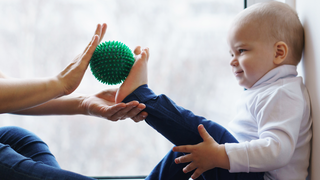
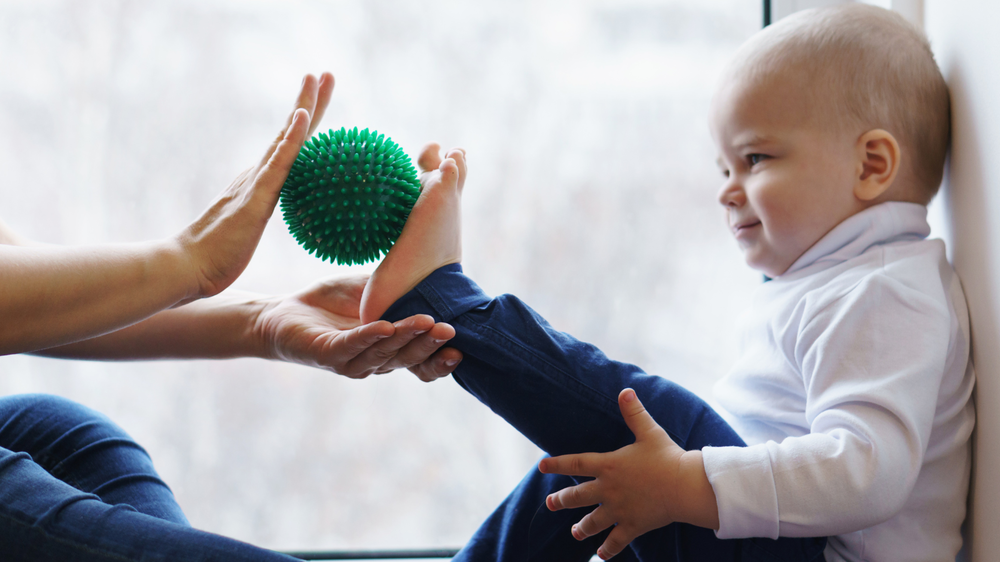
- Foot Massage - A gentle massage improves circulation and flexibility while keeping your baby relaxed.
- Keep Nails Trimmed - Proper nail care helps prevent ingrown nails, which can affect walking comfort.
- Encourage Physical Activity - Simple activities such as tiptoeing or balancing games help strengthen the feet and ankles.
When Flat Feet Cause Problems
Most flat feet are harmless, but medical attention is necessary if the child experiences:- Persistent foot, knee, or back pain
- Tiredness after short walks
- Stiff feet that don’t bend easily
- Uneven body posture
Treatment Options for Flat Foot
If needed, treatment is usually non-surgical and straightforward.- Custom Insoles: Special shoe inserts help align the feet correctly and reduce strain during walking.
- Physiotherapy: Targeted exercises strengthen muscles and improve foot flexibility.
- Stretching Activities: Gentle stretches for the calves and ankles help relieve tension.
- Surgery (Rarely Needed): Surgery is rarely needed in severe cases with rigid deformities or nerve involvement.
How to Prevent Flat Foot Problems Early
- Give babies plenty of free movement
- Avoid tight swaddling that restricts legs
- Choose flexible footwear once they begin walking
- Schedule annual pediatric check-ups to monitor growth and alignment
Flat feet in babies are almost always a regular part of development, not a cause for alarm. In the early years, their soft bones, flexible ligaments, and baby fat naturally make the feet look flat, a stage that gradually changes as they grow stronger and more active. With time, most children develop healthy arches without any medical intervention.
Your role as a parent is to provide gentle care and freedom of movement, barefoot play, comfortable shoes, good nutrition, and regular check-ups. These simple habits build strong feet and confident little walkers. If pain, stiffness, or balance problems appear, timely consultation with a paediatric specialist ensures early correction and peace of mind.
Whether you’re pregnant, a new mom, or navigating postpartum, you don’t have to do it alone. Join our support group to connect, share, and support one another.
FAQs on Understanding Flat Foot in Babies: Causes, Care, and When to See a Specialist
- Is flat foot common in babies?
Yes, most babies have flat feet because their arches haven’t developed yet. It usually forms as they grow and walk more. - At what age should I expect arches to appear?
Between 3 and 6 years is the typical range for visible arch development. - Can a flat foot cause pain?
Flexible flat feet are painless. Pain usually indicates stiffness or other structural issues. - When should I see a specialist?
If your child has pain or stiffness, or still has flat feet beyond age 6, visit a pediatric orthopedist. - Do flat feet need special shoes?
No, most children don’t. Shoes should be lightweight and flexible. Orthotic inserts are used only under medical guidance.