In this article:
Best Fruits to Eat While Pregnant
Citrus Fruits
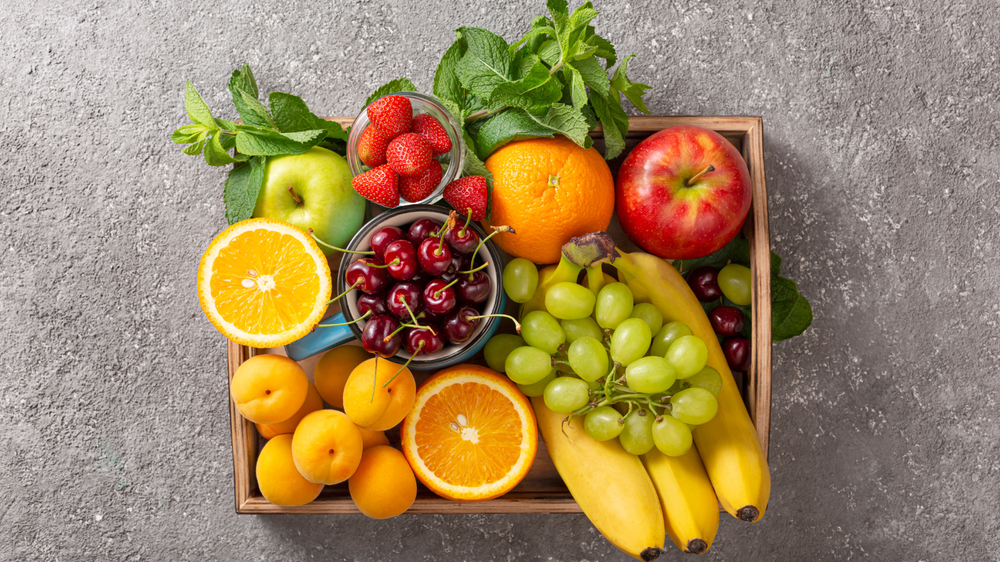
Citrus fruits are a powerhouse of vitamin C, folate, and hydration, which helps fight nausea, boost iron absorption, and protect neural development. Consuming vitamin C-rich fruits reduces the risk of infection and eases constipation and swelling. Citrus fruits also efficiently cross the placenta and provide collagen and immunity starting from week 5.Oranges, lemons, grapefruits, tangerines, mosambi, and kiwi fruits are a variety of citrus fruits. One medium orange packs over 70mcg folate, 85mcg vitamin C, and 3g fibre. Kiwis contain vitamin E and copper for tissue repair. Grapefruits provide vitamin A for foetal eyes. These fruits are rich in water content, which hydrates you deeply and prevents dehydration.
Banana
Bananas are a powerhouse of potassium, vitamin B6, and fibre, which eases pregnancy nausea, cramps, and constipation. Taking 1-2 medium-sized bananas is recommended, as they contain natural sugar that provides energy without spiking blood sugar levels. Consuming baban daily is limited to reducing the risk of preterm birth and improving infant cognition.A medium-sized banana contains 422mg of potassium, which regulates blood pressure, vitamin B6 helps in haemoglobin formation and controls nausea, and fibre for gut motility. It also contains folate, carbohydrates, and magnesium. However, limit consumption of overripe bananas, as they have a high glycemic index.
Apples
Apples support gut health and digestion, help fight anaemia, and support foetal lung and brain development. A medium-sized apple contains 4.4g of fibre and soluble/pectin, which controls blood sugar, and insoluble fibre helps in regulating bowel movement. Vitamin C enhances iron absorption, potassium reduces swelling from increased blood volume, and trace iron and folate support haemoglobin and neural tubes.Apple contains water-soluble vitamin C, which reaches foetal blood and increases collagen for lungs and vessels. Quercetin supports neural migration and may reduce the risk of asthma. Taking 1-2 medium apples in the morning helps kick off a fresh day and sustain your energy. If the apple is organic, wash the apple thoroughly and eat it with the peel. If it's not organic, wash and peel the skin to remove pesticides.
Berries
Berries contain antioxidants, vitamin C, and fibre that fight against oxidative stress, boost immunity, and support foetal brain development. Maternal berry intake can also reduce childhood asthma and allergy risks. Berries are low-GI fruits, which stabilise blood sugar levels. 1 cup of berries contains 85-90% of water, providing hydration and energy.- Blueberries are rich in antioxidants
- Strawberries contain vitamin C and folate
- Raspberries are fibre-rich, aiding digestion
- Blackberries contain iron and vitamin K
- Cranberries prevent UTI
- Goji berries are rich in iron and omega-3 fatty acids
Avocado
Avocados are rich in energy, and eating half an avocado can satisfy you. It contains monounsaturated fats, folate, and potassium, supports foetal brain development, helps prevent neural tube defects, and helps regulate blood pressure. Half an avocado delivers 81mcg folate, 485mg potassium, 10g fat, 7g fibre, 21mcg vitamin K, 10mg vitamin C, 2mg vitamin B6, 29mg magnesium, and 271mcg lutein.Fats from avocado pass the placenta and are supposed to be DHA for the foetal brain. Potassium maintains foetal heart rates and lutein forms in the retina for vision development. Avocado reduces infant allergies. Don't consume more than 1 avocado to reduce macrosomia risk.
Pomegranate
Pomegranates are loaded with punicalagins, folate, and potassium, which protect the placenta from oxidative stress, enhance foetal brain development, and prevent preeclampsia. Consuming pomegranate daily reduces the risk of preterm birth and improves pregnancy outcomes.1 cup of pomegranate provides 107mcg folate, 666mg potassium, 236mg vitamin C, 7g fibre, 26mcg vitamin K, and 0.5mg iron. Punicalagins present in pomegranates reduce placental oxidative stress and reduce preeclampsia. Potassium fights sodium-induced swelling.
Mango
Mangos are a powerhouse of vitamin A, vitamin C, and folate. A medium mango contains 1200mcg vitamin A for foetal skin and eyes, 60mcg folate for DNA synthesis, 72mg vitamin C for immunity and collagen, and 2.6g fibre, which stabilises blood sugar levels. Potassium fights swelling, and B6 eases nausea. Vitamin C increases non-heme iron absorption.Mango contains beta-carotene, which converts into retinol and crosses the placenta to support foetal heart, lung, and kidney formation. Mango’s carotenoids support infant vision and immunity. Overconsumption of fructose spikes blood sugar levels.
Guava
Guava is packed with vitamin C, folate, and fibre that support immunity, prevent neural tube defects, and ease digestion. Guava helps fight anaemia, constipation, and blood sugar spikes more efficiently. 1 cup of guava contains 688mg of vitamin C, 49mcg of folate, and 9g of fibre. Fibre aids digestion and helps relieve constipation by adding bulk to the stool.There are also some concerns and myths surrounding fruits during pregnancy. Papaya can cause miscarriage is the most common. Unripe papaya or semi-ripe papaya contains latex and enzymes that can trigger uterine contractions. Fully ripe papaya loses its latex content while ripening and is safe to consume during pregnancy.
It's recommended to eat at least 2-3 servings or 400 grams of fruit per day. This amount easily delivers 400-600 MCG folate, 150-200mg vitamin C, and 20-30g fibre. It's also important to avoid overconsumption. Exceeding more than 4-5 servings increases the risk of fructose overload, spiking triglycerides and gestational weight gain.
Whether you’re pregnant, a new mom, or navigating postpartum, you don’t have to do it alone. Join our support group to connect, share, and support one another.
FAQs on Fruits For Expectant Mothers: Must-Have Fruits During Pregnancy
- Which dry fruit is rich in folic acid?
Folic acids are important during pregnancy to support overall maternal and foetal health. Peanuts, walnuts, hazelnuts, pistachios, dried apricots, cashews, dates, raisins, and almonds are rich in folate. You can eat a handful of them daily or add them to cereals or salads. - Is an apricot good for pregnancy?
Apricots are rich in iron, fibre, potassium, and vitamins, which prevent anaemia, support digestion, and foetal development. You can consume apricots in moderation during pregnancy. Overconsumption may increase sugar spikes and cause acid reflux.