In this article:
Bee Pollen for Fertility: An Overview
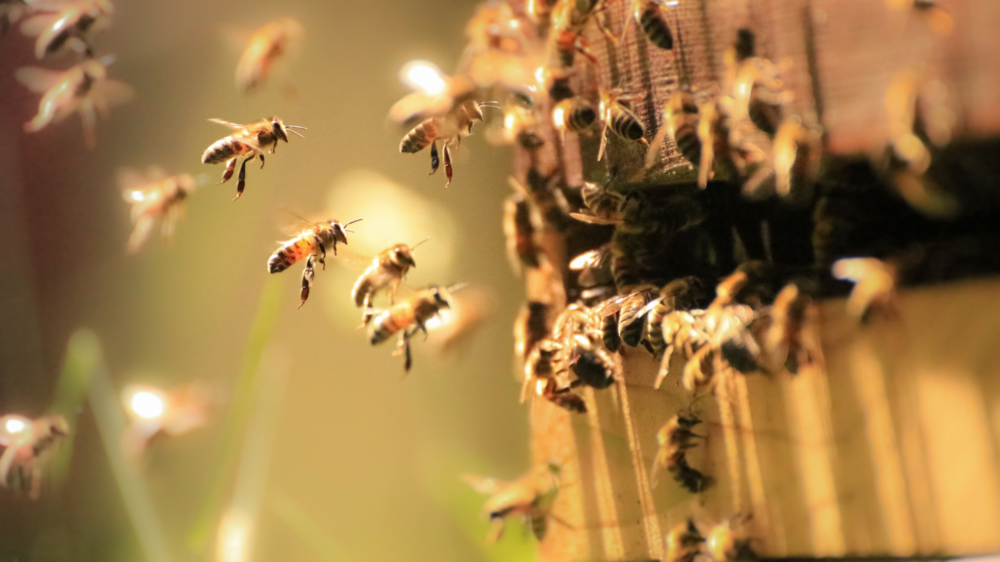
Bee pollen is gathered by honeybees from flowering plants, but it’s not just pollen. It’s a mix of flower pollen, nectar, enzymes, honey, wax, and bee secretions, making it a rich, natural blend full of nutrients. It contains proteins, amino acids, B vitamins, vitamin C, zinc, selenium, and powerful antioxidants like flavonoids and carotenoids.With more people exploring natural ways to support fertility, you might consider adding bee pollen to your routine. Many include it as part of a balanced diet or alongside medical treatments. While research is still developing, its nutritional value and potential to help regulate hormones make it a promising option.
If you are curious about trying bee pollen, it’s best to consult your healthcare expert to see if it could be a good fit for you.
Benefits of Bee Pollen for Fertility
Before adding bee pollen to your fertility routine, it’s best to consult your healthcare professional. Natural supplements might not always be risk-free, and expert advice can help you use them safely.Nutrients promoting fertility
Bee pollen contains an excess of 250 biologically active compounds, and essential nutrients such as zinc, magnesium, selenium, and folic acid are all credited with having a positive effect on reproductive function.Zinc, for example, is utilised in the production of testosterone and sperm wellness, whereas folic acid contributes to egg health and DNA building, and Vitamins A and E also contribute toward maintaining endometrial lining wellness, which facilitates implantation.
Assisting in regulating hormones and cycles
Hormonal imbalance is also the most frequent underlying cause of conception difficulties, and it may cause abnormal cycles or suppression of ovulation.Preliminary research suggests that bee pollen could help regulate hormones by nourishing the endocrine system, which would benefit individuals with conditions like PCOS, irregular cycles, or luteal phase defects. Animal research even proposes that it could assist in stimulating ovarian function, though more human studies are required.
Antioxidant defence of sperm and eggs
Oxidative stress can be a stealthy obstacle to fertility, harming eggs and sperm at the cellular level, and bee pollen has natural antioxidants like quercetin and carotenoids that fight oxidative stress and guard reproductive cells. These antioxidants also enhance egg quality and mitochondrial function, both of which are crucial to fertility and embryonic growth.Increased libido and energy
Conception can be tiring, both physically and mentally. Bee pollen has long been used to fight exhaustion and improve stamina, thanks to its high B-vitamin content and natural sugars.This natural energy boost can help improve overall body function, including your reproductive system. When it comes to libido, a little extra energy can make a real difference, especially during the demands of timed intercourse.
If you are looking for a natural way to support your fertility journey, bee pollen might be worth considering. As always, it’s best to discuss this with your healthcare professional first.
Sustaining a balanced immune system
Your immune system plays a crucial role in conception, and autoimmune disease or inflammatory illness may interfere with implantation or result in early pregnancy loss.Bee pollen might assist in creating a more friendly environment for pregnancy by sustaining immune balance, reducing inflammation, and causing tolerance, which is highly beneficial if the immune system gets overstimulated in reaction to a fertilised egg.
Optimising sperm health in men
There is also some promising evidence that bee pollen improves male fertility. It has been found to increase sperm count, motility, and morphology, and its high antioxidant content, including vitamin C and selenium, can potentially decrease DNA damage in sperm, which is essential for successful fertilisation and normal embryo development.Helping the body detox naturally
Some animal studies suggest that bee pollen may support liver function, which plays a role in hormone metabolism. The liver and kidneys generally handle detoxification efficiently unless there is an underlying health issue.Supporting liver function might have indirect benefits for hormone balance and fertility, but more research is needed to confirm these effects in humans.
Side Effects of Bee Pollen
Bee pollen is safe for most people, but there can be an allergic reaction, especially if you have sensitivities. It’s best to be cautious and understand the possible side effects before adding bee pollen to your fertility routine. If you are unsure, speak with a healthcare professional first.Common Side Effects
- Allergic reactions: This is likely the most crucial consideration, and the reaction can range from mild symptoms such as sneezing, rashes, or itching to anaphylaxis, which is a severe reaction. If you are allergic to bee pollen, bees, or other bee products, do not consume bee pollen unless cleared by an allergist.
- Digestive disturbance: Some individuals experience mild gastrointestinal distress, including nausea, bloating, cramping, or diarrhoea. This is more probable if the supplement is introduced too rapidly or taken in large amounts at first.
- Sun sensitivity: While uncommon, the occasional complaint of heightened sensitivity to sunlight that produces skin reactions has been reported.
Rare side effects
- Hormonal disruption: Although sometimes used to fuel the hormonal system, excessive use or in combination with other endocrine-altering supplements can disrupt your body's internal endocrine processes.
- Risk of contamination: All bee pollen products are not created equal. Unless they are harvested, stored, or from a region where excessive pesticide use is the norm, they may contain poisonous chemicals such as pesticides, heavy metals, or bacterial contamination. They may be very unhealthy.
Recommended Levels of Bee Pollen for Improving Fertility
There isn't one dose for everyone, particularly because bee pollen isn't viewed as a drug. Nonetheless, typical usage is based on long-standing usage and what is typically available in supplement form.Suggested dosage
- Getting started: Take a small amount, around 1/4 to 1/2 teaspoon, per day and observe how your body reacts.
- Maintenance dose: If well tolerated, you can gradually increase the amount to 1 to 2 tablespoons daily for a week or two.
- Capsule form: Dosages are usually 500 mg to 1,000 mg daily, or as directed by your healthcare professional.
Tips for safe usage
To make sure you’re getting the benefits without unnecessary risks, keep the following in mind:- Select quality: Select organic or wild-harvested bee pollen from quality sources that offer lab testing or certification.
- Correct storage: To preserve freshness, store it in a dark, cool place, like the refrigerator.
- Begin gradually: Add gradually to prevent causing allergies or digestive problems.
- Avoid overuse: Alternate it with other supplements, if recommended by a health professional, instead of taking it alone.
Risks of Bee Pollen on Fertility
Despite its many potential upsides, there are circumstances where bee pollen could do more harm than good, particularly if you’re already undergoing fertility treatments or have specific health conditions.Interactions with medications
Bee pollen might interfere with blood thinners (like warfarin), anti-inflammatories, or hormone-based medications, and this could reduce the effectiveness of your fertility treatments or increase the risk of side effects.Worsening hormonal conditions
If you suffer from a thyroid disorder or an oestrogen-sensitive illness, like endometriosis or certain ovarian cysts, bee pollen might make symptoms worse in a few cases. It’s best to always consult your healthcare professional if you fall into this category of patients.Allergens during fertility treatment
Immune stability is essential at the time of assisted reproductive treatments like IVF. Placing something possibly allergenic in your system during this weak point could throw your reaction off balance. It is best to ask your healthcare professional before adding anything new to your supplement routine.Contamination concerns
Low-quality bee pollen may occasionally contain traces of pesticide residues, heavy metals, or disease-causing bacteria. These contaminants wreck not only overall wellness but also reproductive outcomes, making finding a good brand crucial.Bee pollen is a natural supplement that may support your fertility by providing important nutrients that help balance hormones and improve reproductive health. It could also benefit sperm quality and overall well-being. However, like any supplement, it’s important to consider your individual needs.
If you are thinking about adding bee pollen to your fertility routine, it would be best to consult with your healthcare professional first, especially if you have allergies or health conditions.