Times Future of Maternity 2026 | India's Largest Maternity Ecosystem Gathering

Week 1 Pregnancy Symptoms vs Period Symptoms: How to Tell the Difference

Early pregnancy and pre-period symptoms often overlap, making it difficult to tell the difference. This article explains how to identify key signs, such as bleeding, cramping, breast changes, nausea, and mood swings, during Week 1. Tracking symptoms, monitoring your cycle, and taking timely tests help you accurately identify an early pregnancy.

Pregatips
week 1 symptoms
Have you noticed changes in your body and wondered if they are signs of early pregnancy or just your period? In the first week after conception or at the start of a new cycle, symptoms often feel very similar, making it hard to tell the difference.
Understanding the hormonal changes and physical signs during this time helps you identify what your body is telling you. When you pay attention to differences in bleeding, cramping, mood swings, and other early signs, you can track your cycle more accurately and take the proper steps to confirm your reproductive health.


Let’s discuss the difference between week 1 pregnancy symptoms and period symptoms.

What are the Common Week 1 Symptoms

Both early pregnancy and period onset can cause similar experiences. These include:

  • Cramping

Mild abdominal cramps occur due to uterine changes in both pregnancy implantation and menstrual preparation.

  • Breast Tenderness

Hormonal shifts can make breasts sore or sensitive in early pregnancy and before periods.

  • Mood Changes

Fluctuating hormones may lead to irritability, anxiety, or emotional swings in both cases.

  • Fatigue

Hormone-related energy changes can cause tiredness regardless of pregnancy or menstruation.

  • Bloating

Water retention and digestive changes may occur in early pregnancy and during the premenstrual phase.

Confused by pregnancy or fertility advice online? Get clarity from experts at the Times Future of Maternity 2026.

What are the Symptoms More Specific to Early Pregnancy

Some signs are more likely to indicate pregnancy rather than an upcoming period:

  • Implantation Spotting

Light pink or brown spotting may occur 6-12 days after ovulation, usually lighter than period bleeding.

  • Nausea

Morning sickness or unusual cravings often appear early in pregnancy, not during typical premenstrual phases.

  • Increased Urination

Rising HCG levels cause frequent urination in early pregnancy.

  • Heightened Sense of Smell

Sensitivity to odours may appear in the first week of pregnancy.

  • Mild Dizziness or Light-Headedness

Early hormonal changes can affect blood pressure and cause faint sensations.

What are the Key Differences Between Period and Early Pregnancy Symptoms

Early pregnancy and pre-period symptoms often feel very similar, but noticing minor differences can help you understand what’s happening in your body. Here’s a closer look at each sign:

  • Bleeding

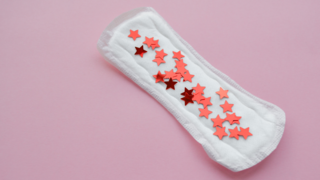
Period bleeding usually comes as bright red blood, is heavier, and lasts for several days. In early pregnancy, you may notice very light pink or brown spotting, which is known as implantation bleeding and usually lasts a few hours to a day. It is much lighter than a normal period and may happen a few days before your expected period.

  • Cramping

Period cramps are usually stronger and more predictable, happening just before or during menstruation. Pregnancy-related cramps are often milder and may feel like gentle pulling, tugging, or pressure in the lower abdomen. These cramps happen when the embryo attaches to the uterine lining, and they are usually less intense than period cramps.

  • Nausea and Food Sensitivity

Feeling nauseous, queasy, or suddenly avoiding certain foods or smells rarely happens before a period. These early pregnancy signs can appear in the first week after conception and may include sudden cravings or a strong dislike for specific smells or tastes.

  • Breast Changes

Breasts may feel slightly sore or tender before your period, but early pregnancy can cause more noticeable changes. You might experience swelling, heaviness, tenderness, or darker areolas. These changes often last longer than typical pre-period breast soreness and may appear earlier in the cycle.

  • Mood Swings

Both periods and early pregnancy can affect your mood because of hormonal changes. Mood swings during early pregnancy may feel stronger, last longer, and be accompanied by other symptoms such as fatigue, bloating, or nausea. Pre-period mood swings usually improve once your period starts.

Note: Before taking a pregnancy test, making health decisions, or addressing symptoms, consult a doctor for personalised medical care.

What to Do Next

  • Record any bleeding, cramps, breast changes, mood swings, nausea, or food cravings in a journal or app.
  • Compare your current cycle with previous months to spot unusual patterns or differences.
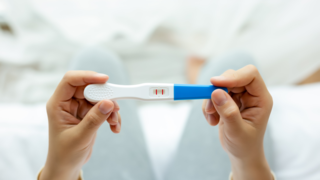
  • If your period is late or symptoms suggest pregnancy, use a reliable test to confirm.
  • Talk to a doctor if you are unsure about your symptoms, experience severe pain, or notice abnormal bleeding.
  • Eat a balanced diet, stay hydrated, get enough rest, and manage stress to support overall reproductive health.
  • Continue observing your symptoms in future cycles to better understand your body and fertility patterns.
Week 1 symptoms can overlap between pregnancy and menstruation, making early detection challenging. Paying close attention to subtle differences, such as spotting patterns, nausea, or frequent urination, helps distinguish early pregnancy from period onset. Tracking your cycle, observing body signals, and using testing when appropriate empower you to make informed decisions about your reproductive health.

You’re not alone in your journey when trying to conceive. Join our supportive community to connect with others, share experiences, and find encouragement every step of the way.

FAQs on Week 1 Pregnancy Symptoms vs Period Symptoms: How to Tell the Difference

  1. Can I feel pregnancy symptoms in Week 1?
    Yes, some early pregnancy symptoms like implantation spotting, mild cramping, or breast tenderness may appear in the first week after conception.
  2. When should I take a pregnancy test?
    The most accurate results appear after a missed period or at least 10–14 days after ovulation.
  3. Are mood swings the same in pregnancy as premenstrual symptoms?
    Hormonal changes cause both, but pregnancy-related mood swings may be stronger or last longer.
How we reviewed this article
Our team continuously monitors the health and wellness space to create relevant content for you. Every article is reviewed by medical experts to ensure accuracy.
Times Future of Maternity 2026 | India's Largest Maternity Ecosystem Gathering