In this article:
Understanding the Science Behind Pregnancy Tests
When a woman conceives, her body starts producing a hormone called human chorionic gonadotropin (HCG). This hormone is released by the placenta shortly after fertilisation and continues to rise in early pregnancy. Understanding this process is key to correctly interpreting home pregnancy tests. These tests detect HCG levels in urine. A positive result means your body has started producing this hormone, confirming pregnancy.Confused by pregnancy or fertility advice online? Get clarity from experts at the Times Future of Maternity 2026.
When to Take a Home Pregnancy Test
Timing is everything. Most pregnancy tests are designed to detect HCG about 10 to 14 days after conception, or from the first day of your missed period. Taking the test too early can lead to false negatives because HCG levels might not have risen enough yet. Best time:- Take the test first thing in the morning when urine is most concentrated.
- Wait at least a week after a missed period for the most reliable results.
How to Take a Home Pregnancy Test — Step by Step
You can buy pregnancy test kits easily at pharmacies, supermarkets, or online. Most are affordable, easy to use, and 97–99% accurate when done correctly. Steps to follow:- Read the instructions carefully before starting.
- Collect urine either directly on the test stick or in a clean cup (depending on the kit type).
- Wait for the indicated time (usually 2–5 minutes).
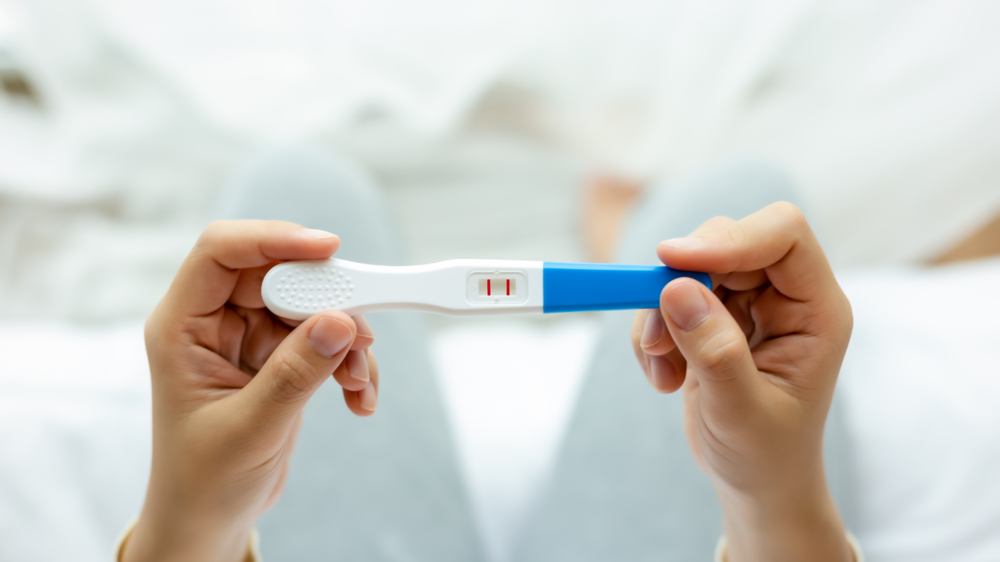
- Check the result window:
- Two lines or a “+” sign = pregnant.
- One line or “–” sign = not pregnant.
- Faint second line = possibly early pregnancy test again in 48 hours.
- Dispose of the test properly after use.
Types of Home Pregnancy Tests
- Strip Tests: Simple dip strips that you place in a cup of collected urine. They show lines to indicate positive or negative results.
- Midstream Tests: Stick-type tests used directly under the urine stream. They’re convenient and less messy.
- Digital Tests: More advanced kits that display words like “Pregnant” or “Not Pregnant” on a small screen. Some even estimate how many weeks you might be along.
Early Signs of Pregnancy Before Testing
Even before taking a test, your body may show subtle clues that conception has occurred. Common early symptoms include:- Missed period
- Tender or swollen breasts
- Mild cramping or spotting (implantation bleeding)
- Fatigue
- Frequent urination
- Nausea or food aversions
- Heightened sense of smell
- Mood changes
How to Interpret Pregnancy Test Results
| Result | What It Means | Next Steps |
| Two clear lines or a “+” sign | Positive – pregnancy confirmed | Book your first prenatal appointment |
| One line or “–” sign | Negative – not pregnant | Retest in 3–5 days if period hasn’t started |
| Faint second line | Possibly early pregnancy | Test again after 48 hours; HCG doubles every 2–3 days |
| No line at all | Invalid test | Retake using a new kit and follow instructions carefully |
Possible Reasons for False Results
Although home pregnancy tests are highly accurate, a few factors can affect results. False negatives (you are pregnant, but the test says you’re not):- Testing too early
- Diluted urine from excessive water intake
- Faulty or expired kit
- Incorrect timing during the test
- Medications containing HCG
- Recent miscarriage or abortion
- Certain fertility treatments
When to See a Doctor
Once your test is positive, it’s time to begin antenatal care. Your doctor will confirm pregnancy with:- Blood test for HCG levels (quantitative)
- Ultrasound scan (to locate and date the pregnancy)
- Your home test results are unclear after several tries
- You have irregular cycles and are unsure of your timing
- You experience severe pain or heavy bleeding
Tips for Accurate Results
- Use early morning urine: HCG concentration is highest after overnight rest.
- Check expiry date:Expired kits may give false results.
- Follow timing instructions precisely: Reading too early or too late can distort results.
- Avoid excess fluids before testing: Diluted urine can reduce HCG detection.
- Repeat the test in a few days: HCG levels double every 48–72 hours in early pregnancy, improving accuracy with time.
Beyond the Test: What Comes Next
Once pregnancy is confirmed, it’s time to plan your next steps:- Book your first antenatal appointment (usually between 6–8 weeks).
- Start prenatal vitamins containing folic acid.
- Avoid alcohol, smoking, and certain medications.
- Switch to a balanced pregnancy diet rich in calcium, protein, and iron.
- Rest and manage stress. Your body is beginning an incredible journey.
Common Myths About Home Pregnancy Tests
| Myths | Facts |
| You can use any time of day | Morning urine is best for accurate HCG detection |
| Drinking more water before the test helps | It actually dilutes HCG and reduces accuracy |
| A faint line always means negative | Even a faint line often indicates early pregnancy |
| Home tests are unreliable | Modern kits are up to 99% accurate when used correctly |
| You need a doctor’s test to confirm | Home tests are reliable, but doctors confirm via ultrasound |
Alternative Natural Indicators of Pregnancy
Some traditional or natural signs that women often notice, though not scientifically confirmed, include:- Feeling warmer than usual (due to rising progesterone)
- Intense food cravings or aversions
- Metallic taste in the mouth
- Sudden mood swings
How Pregnancy Tests Work in Real Life
Most women test at home first, either because of privacy or convenience, or because of early suspicion. If you get a positive result, your next appointment with a gynaecologist will include:- Confirmatory ultrasound (around week 6)
- Health screening and blood pressure checks
- Guidance on prenatal care, nutrition, and supplements
If the test is negative, but you still feel pregnant
- Periods may be delayed due to stress, hormonal changes, or illness.
- If your test is negative but your symptoms persist, repeat it after 5 days or consult your doctor for a blood test.
- Remember, every woman’s HCG rise varies, so patience matters.
If your result is positive, it marks the start of an exciting new chapter, one that deserves timely medical care, healthy habits, and emotional readiness. If the result is negative but your instincts say otherwise, give your body a few more days and retest; patience and timing often make all the difference.
You’re not alone in your journey when trying to conceive. Join our supportive community to connect with others, share experiences, and find encouragement every step of the way.
FAQs on How to Confirm Pregnancy at Home: Easy Methods You Can Trust
- How soon can I test for pregnancy after unprotected sex?
Around 10–14 days, when HCG begins to appear in urine. Testing too early may give false negatives. - Can stress delay my period and confuse results?
Yes. Emotional or physical stress can delay ovulation and your period, making test timing tricky. - Are home pregnancy tests accurate?
Yes, up to 99% when used correctly and after a missed period. - Can I test at night?
It’s best in the morning, but you can test at any time if excess fluids haven’t diluted your urine. - Do fertility medications affect results?
Only those containing HCG may cause false positives.