In this article:
Understanding all of these and knowing your options helps you remain calm and make sound decisions.
What is the Reason Behind the Arrest of Dilation?
Several reasons may lead to your cervix stopping opening midway:- The cervix would not dilate if the baby’s position is not optimal, especially if the foetal head is not in an anterior or occipitoanterior position.
- When your baby is large, it might get difficult to open your cervix.
- Labour relies on strong, rhythmic contractions, but too weak contractions might stall dilation.
- Being extremely tired or stressed can disrupt your body’s natural way of progressing labour.
- Scars from previous C-sections or other procedures can sometimes impact dilation.
How Do You Know the Cervix Has Stopped Dilating?
During labour, your medical team will monitor cervical dilation using vaginal exams. Symptoms that might signify that dilation has slowed down include:- If your baby’s head isn’t moving down into your pelvis
- During active labour, no change in dilation for more than 2 hours
- The ongoing contractions fail to open the cervix
What a Pause in Dilation Could Lead to?
Sometimes, if your cervix stops opening up during labour, things can get tricky.- Labour can take longer than usual, leaving you anxious and exhausted
- Prolonged labour can lead to foetal distress, where your baby might suffer from oxygen insufficiency
- Labour that takes a lot of time can increase the likelihood of infection for both the mother and the baby
- Sometimes, medical assistance is the key to having a safe delivery
What Can Be Done to Resume the Process?
Doctors may recommend several options for your stalled cervix.- Medications like oxytocin can help strengthen contractions.
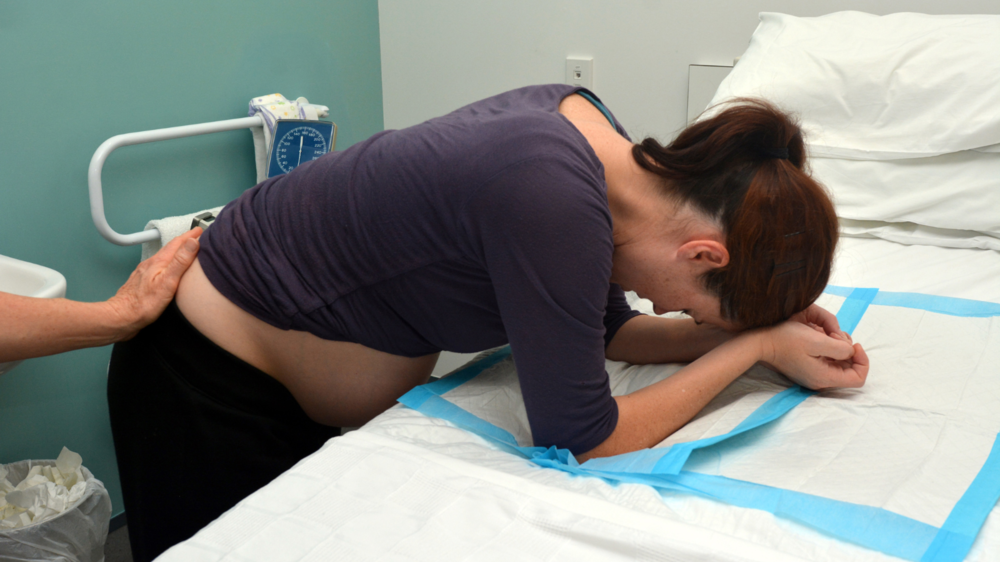
- To promote foetal movement and support cervical dilation, rocking, walking, or changing labour positions may be beneficial.
- Amniotomy, or breaking the water, may sometimes promote more intense contractions.
- Staying hydrated, resting, and emotional support from your partner can make a difference.
Social & Emotional Support
If your cervix stops opening, that can naturally make you feel stressed. Here's how you can support your emotional well-being:- Practice deep breathing and relaxation methods.
- Directly communicate with your partner and medical team.
- Accept help from birth support persons or doulas.
- Celebrate small wins, as each contraction indicates a step forward to labour.
When to Call a Doctor?
Your care team keeps an eye on you, but you should alert staff immediately if you notice:- Abnormal bleeding or fluid leakage
- Pain that just won’t go away, even after trying normal pain relievers
- The baby isn’t moving as much, or their heartbeat isn’t quite right
How to Keep Your Body Prepared?
While you can’t prevent dilation from slowing down, you can prepare your body and mind:- You must eat nutritious food and drink lots of water to stay healthy.
- Stay active during the entire motherhood journey. Go for walks and do prenatal yoga to make labour easier.
- Make sure you have emotional support while making a birth plan.
- Take childbirth classes so you know what to expect during each stage of labour and learn how to deal with it.
What’s the Next Step?
- Continue monitoring the duration of contractions and any patterns you observe.
- Maintain communication with your medical staff and nurses.
- Don’t be afraid to ask for anything that would help you stay calm or manage the discomfort.
- Talk to your doctor calmly about what treatments could help.
Whether you’re pregnant, a new mom, or navigating postpartum, you don’t have to do it alone. Join our support group to connect, share, and support one another.
FAQs on What Happens When the Cervix Stops Opening Midway
- How common is an arrested labour?
It occurs in roughly about 5-10% of labours, more often in first-time pregnancies or when the baby's not in a favourable position or is large. - Can emotional stress really affect cervical dilation?
Yes. Fatigue and stress can inhibit labour. Support, relaxation, and gentle movement can help the cervix progress. - Does stalled dilation always lead to a C-section?
Not always. Often, you may be able to resume dilation with positional or medical interventions. C-section is only considered when it's the safest option for both the mother and the baby.