In this article:
iframesrc="https://photogallery.navbharattimes.indiatimes.com/in-focus/pregatips/leadform?logo=false"title="leadform"height="260"loading="lazy"width="100%"/>
1. Ginger and Hormone Balance
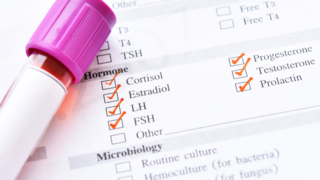
Balanced hormones are key for fertility. They control ovulation, menstruation, and sperm production. When hormone levels change, fertility may be impacted.How Ginger Helps:
- Supports hormonal balance: Ginger helps the glands in the endocrine system, such as the thyroid, adrenal, and reproductive glands, work together more effectively.
- Improves insulin sensitivity: High insulin levels can disturb reproductive hormones, especially in conditions like PCOS. Ginger has shown the ability to stabilise blood sugar and reduce insulin resistance.
- Reduces stress hormones: Chronic stress increases cortisol, which interferes with fertility hormones like progesterone and oestrogen. Ginger has adaptogenic effects that help calm the nervous system.
- Promotes circulation to reproductive organs: Improved blood flow ensures optimal nutrient delivery to the ovaries, uterus, and testes, creating a healthier environment for conception.
Simple Ways to Include Ginger:
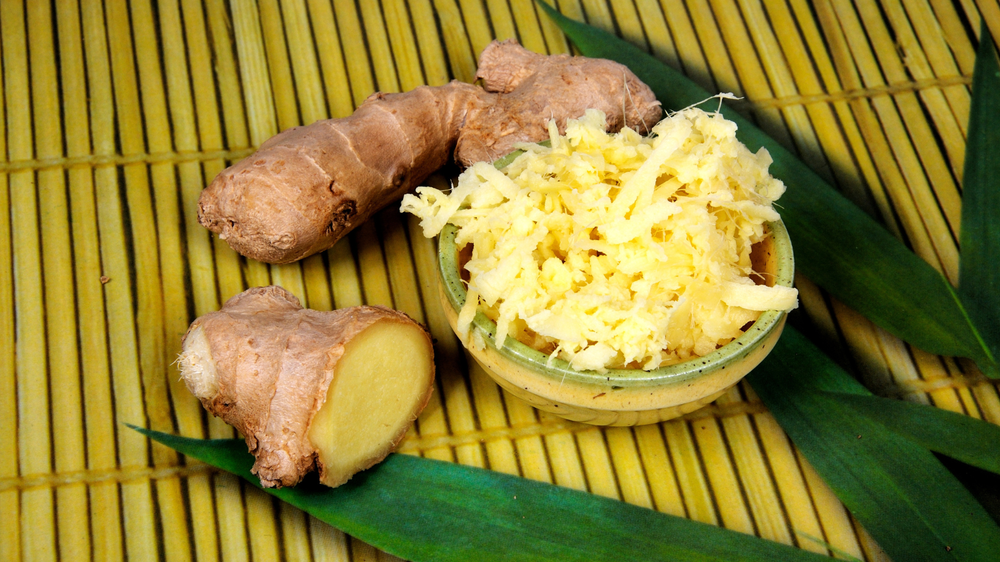
- Add fresh ginger slices to warm water with lemon every morning.
- Mix grated ginger into vegetable curries or lentil soups.
- Brew ginger and tulsi tea during the evening for relaxation.
2. Ginger’s Role in Sperm Health
Male fertility relies on sperm count, movement, and shape. Some studies have looked at how ginger may naturally support sperm health.Research Insights:
- Improved sperm count and movement: Studies in India and Iran found that taking ginger daily increased sperm numbers and their ability to move.
- Enhanced testosterone levels: Ginger may help the body produce more luteinising hormone (LH), which supports testosterone production. This is important for healthy sperm.
- Reduced oxidative stress: Sperm cells can be easily damaged by oxidative stress. Ginger contains antioxidants like gingerol and shogaol, which help protect sperm from this damage.
Everyday Integration:
- Add dry ginger powder to warm milk at bedtime.
- Use fresh ginger paste while cooking daily meals.
- Try ginger-infused water throughout the day for consistent benefits.
3. Ginger and Reproductive Inflammation
Inflammation in the reproductive system can lead to irregular cycles, painful periods, endometriosis, or low sperm quality. Ginger acts as a natural anti-inflammatory, soothing internal tissues and promoting healing.How It Works:
- Inhibits inflammatory enzymes: Ginger has compounds that block prostaglandins, which are chemicals that cause uterine cramps and inflammation.
- Eases menstrual discomfort: Regular intake can help reduce menstrual pain and support smoother ovulation.
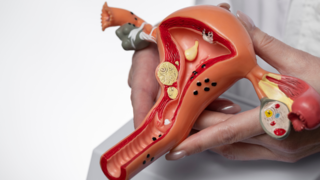
- Supports uterine health: For people trying to conceive, having a calm and inflammation-free uterus is important. Ginger may help by supporting detoxification and improving blood flow.
Traditional Indian Practices:
- Ginger and jaggery decoction: Consumed during winter, this mix aids warmth and circulation.
- Ginger with turmeric: A combination used in Ayurveda to reduce inflammation and improve internal cleansing.
4. The Antioxidant Advantage
Antioxidants help protect cells, including eggs and sperm, from oxidative stress. Factors like age, pollution, and poor diet can increase this damage and lower fertility.Ginger’s Antioxidant Boost:
- Rich in gingerol, zingerone, and paradols, all known for strong antioxidant activity.
- Helps protect DNA integrity of sperm and egg cells.
- May slow reproductive ageing when consumed regularly with a nutrient-rich diet.
Pairing Ginger with Other Fertility Foods:
- Combine with amla (Indian gooseberry) for an extra vitamin C boost.
- Add to warm herbal teas with cinnamon and cardamom.
- Mix in vegetable stir-fries with ghee for better nutrient absorption.
Holistic Lifestyle for Fertility
Ginger works best when paired with balanced nutrition, movement, and emotional well-being.Simple Additions:
- Eat fresh, home-cooked meals rich in whole grains, fruits, and legumes.
- Practise yoga and pranayama to enhance hormonal balance and reduce stress.
- Prioritise sleep and hydration, both crucial for healthy reproductive hormones.
Drinking a small cup of ginger tea each day may not be a miracle cure, but it is a meaningful step toward better health. It is a simple way to let nature help your body return to balance and vitality.
You’re not alone in your journey when trying to conceive. Join our supportive community to connect with others, share experiences, and find encouragement every step of the way.
FAQs on How Does Ginger Support Hormones, Sperm Health, and Reduce Inflammation
- Can ginger help with fertility issues related to PCOS?
Yes, ginger may help people managing PCOS. It can reduce inflammation, improve insulin sensitivity, and support hormone balance, which are three main challenges with PCOS. Regular use, along with a balanced diet and exercise, may help regulate menstrual cycles and improve ovulation. However, results can vary depending on your health and how consistently you use it. - How long does it take to see results from using ginger for fertility?
Natural remedies like ginger take time to work. Using ginger regularly for 6 to 12 weeks may improve cycle regularity, energy, and reproductive health. Sperm quality may take at least three months to improve, since sperm cells need that time to mature. Combining ginger with a healthy diet and stress management can help you get the best results.