In this article:
Understanding the role of hormones is important to understanding how conception can happen. This gives parents a better roadmap of the very starting point of pregnancy. If you are here to understand your fertility hormones better, especially in week 1, then let’s take this walk together.
What Happens to Hormones in Week 1 of the Menstrual Cycle?
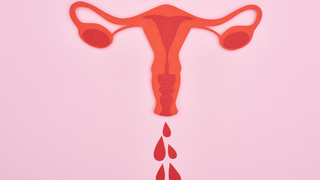
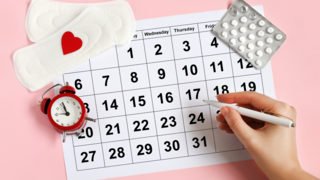
Week 1 begins on Day 1 of your period. From a medical perspective, this is the official start of a new cycle. This is the stage where:
- Progesterone from the previous cycle has dropped
- Oestrogen levels are low but ready to rise
- FSH begins signalling the ovaries
- LH stays in the background
Why Is Week 1 Important for Fertility?
The process of ovulation is very important if you are planning or avoiding a pregnancy. This phase of ovulation doesn’t start in the middle of the cycle; it starts with week 1.
Week 1 determines:
- How well follicles grow
- Which egg gets selected
- Whether ovulation will be smooth or delayed
What Is FSH and Why Does It Rise in Week 1?
FSH (Follicle-Stimulating Hormone) is produced by the pituitary gland and plays a leading role in egg development.When your period begins, your FSH levels go up. This hormone stimulates the ovaries. Your ovaries then tell multiple follicles, tiny sacs holding immature eggs, to start growing. Eventually, one follicle becomes dominant and prepares for ovulation.
When FSH levels are not optimal, follicles may not mature properly, which can make conception difficult. FSH hormone is important for follicular growth, egg maturation, and selecting which follicle will ovulate.
What Do High or Low FSH Levels Mean?
Having both high and low FSH can impact ovulation, thereby impacting the chances of conception.- High FSH may indicate that the ovaries are not responding well, often seen in premature ovarian insufficiency or menopause. The brain compensates by releasing more FSH.
- Low FSH may point to pituitary or hypothalamic issues that interfere with follicle development.
What Does Leutinising hormone (LH) Do in Week 1?
LH (Luteinizing Hormone) is also produced by the pituitary gland and works closely with FSH.
In Week 1:
- LH remains low
- It does not trigger ovulation yet
- Its role is preparatory
How Does LH Support Ovulation and Fertility?
As oestrogen rises mid-cycle, it triggers the LH surge, which:- Releases the mature egg
- Converts the follicle into the corpus luteum
- Initiates progesterone production
What Do High or Low LH Levels Indicate?
LH imbalance can also significantly affect ovulation and its timing.- High LH is commonly associated with PCOS and can disrupt ovulation, leading to irregular or absent periods.
- Low LH may signal hypothalamic or pituitary dysfunction, affecting ovulation timing.
What Happens to Oestrogen Levels in Week 1?
Oestrogen is often thought of as the “fertility hormone,” but in Week 1, low oestrogen is normal and healthy.At this stage:
- Oestrogen begins at a low level
- Gradually rises as follicles grow
- Prepares the uterus and cervix for ovulation
How Does Oestrogen Support Fertility?
As oestrogen increases:- Cervical mucus becomes thinner, helping sperm travel
- The uterine lining thickens
- The body prepares for possible implantation
How Do FSH, LH, and Oestrogen Work Together?
Hormonal feedback loopYour menstrual cycle is regulated through feedback mechanisms in the HPO axis:
- The hypothalamus releases GnRH
- The pituitary releases FSH and LH
- The ovaries produce oestrogen and progesterone
- Negative feedback, keeping FSH and LH controlled
- Positive feedback, triggering the LH surge before ovulation
How to Support Hormonal Balance Naturally?
Hormonal harmony is very important. Not just for pregnancy, but also for overall well-being. Hence, there are several measures you need to take to ensure your hormones are at peace. Some measures you can take to support your hormonal health include:- Stress management
- Taking adequate nutrition
- Taking your supplements on time
- Getting good sleep
- Exercising regularly
Early Pregnancy Signs (Week 1)?
In week 1 of pregnancy, your hormones are on a roller coaster ride. You may notice some symptoms that may often resemble premenstrual changes. Watch out for these signs as they may indicate you are in week 1:
- Missed period
- Breast tenderness
- Nausea
- Mild spotting or cramping
- Mood swings
- Fatigue
A woman’s body is a wonderland. Week 1 may be silent on the outside, but behind the scenes, your hormones are busy playing an important part. Week 1 is one of the most important phases of your cycle. This is when progesterone resets, and FSH gently wakes the ovaries. LH and oestrogen are also preparing for what’s to come next. Together, these hormones set the stage for ovulation and the possibility of pregnancy. Understanding what your body is doing in this phase can help you feel more in control, informed, and confident as you move forward on your fertility journey.
You’re not alone in your journey when trying to conceive. Join our supportive community to connect with others, share experiences, and find encouragement every step of the way.
FAQs on Hormone Levels in Week 1: FSH, LH, Oestrogen, Progesterone Reset
- What vitamin is most important in early pregnancy?
Folic acid is the most important vitamin in both early and during pregnancy. It is important to take folic acid as prescribed by your healthcare provider before and during pregnancy. Taking folic acid as prescribed helps prevent birth defects like spina bifida. - What will I feel at 1 week pregnant?
At 1 week pregnant, most women don’t feel pregnancy symptoms because the body is still having or just finishing a period. Any cramping, bloating, or breast tenderness felt at this stage is related to the menstrual cycle, not pregnancy. - Can I tell if I'm pregnant in the first week?
Most pregnancy symptoms usually begin four to six weeks after conception, and some women may have no symptoms at all in the first trimester. Common early signs include a missed period, light spotting, breast tenderness, and fatigue.