Oestrogen is the critical hormone in the early stages of pregnancy, especially as your body adjusts to the new life. Learning how this hormone supports your journey, understanding common symptoms, and knowing when to seek help will give you better control over your pregnancy.
What Exactly Is Oestrogen and How Does It Work During Pregnancy?
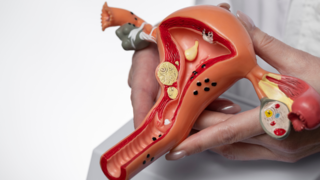
Oestrogen is a reproductive hormone produced by your ovaries. However, the placenta takes over the production of this hormone during pregnancy to support your baby’s growth.In this article:
Why Is Oestrogen So Important in the Early Stages?
In the first few weeks, many things are going on in your body because of high oestrogen levels.- It keeps the endometrium (uterine lining) thick so the fertilised egg can implant and then grow safely
- It increases blood flow to the uterus and placenta to help your baby receive oxygen and nutrients
- It works in conjunction with progesterone to maintain your pregnancy and prevent early contractions
- It helps your body prepare for milk production later in the pregnancy
What Changes Might You Notice When Oestrogen Levels Rise?
Oestrogen causes various changes in your body, but they are mostly subtle.- Tender or swollen breasts due to increased blood flow and tissue growth
- Nausea or morning sickness occurs as rising hormones affect your digestive system
- Mood changes or sensitivity to little things
- Increased vaginal discharge is your body’s way of keeping the area clean and protected
Can Low Oestrogen Affect Early Pregnancy?
There can be problems in the early stages of pregnancy due to low oestrogen levels, as it can affect your uterine lining and fetal growth.Some possible signs of low oestrogen are mentioned below:
- Spotting
- Fatigue and weakness
- Slow baby growth (in later scans)
- Mood swings
How Does Oestrogen Support Your Baby’s Development?
Your baby’s vital organs and brain development depend on oestrogen levels.- It helps form tiny blood vessels that carry nutrients from you to your baby
- It influences the development of your baby’s lungs and liver
- It prepares your body for childbirth by gradually loosening ligaments and tissues
What Can Affect Oestrogen Levels During Pregnancy?
Oestrogen levels can vary due to many factors.- Your age and health may lead you to have hormonal imbalances
- The placenta produces oestrogen during pregnancy, so any issue with it can impact hormone balance
- Poor nutrition, stress, or lack of rest can affect the release of hormones
- Some medicines may interfere with natural hormone production
What Should You Do to Support Healthy Oestrogen Levels?
You can be mindful of your choices in the early stages of your pregnancy.- Eat foods packed with vitamin B6, folate, and healthy fats, such as eggs, nuts, seeds, and leafy greens.
- Drink more fluids to regulate hormones and support healthy blood circulation to your uterus.
- Your body produces all the vital hormones during sleep. Aim for at least 7–8 hours of sleep every night.
- Stress can disrupt your hormone balance. Take the time to practice deep breathing or yoga. Spending quality time with your loved ones can also lower it.
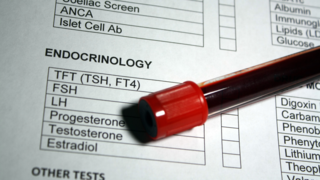
- Go to all your prenatal checkups so that your doctor can monitor your hormone levels through blood tests and ultrasound scans. It can also reassure you that your pregnancy is progressing well.
What To Do Next: A Quick Checklist
- Keep up with all your prenatal appointments
- Consume a balanced diet and more foods rich in proteins, iron, and vitamins
- Stay active with safe exercises, such as walking or prenatal yoga
- Listen to your body; if something feels off, consult your doctor
- Build emotional support with your partner or family
Emotional and Social Aspects
Pregnancy hormones can bring out a mix of emotions. You may feel excited sometimes, but feel anxious the next. It is also okay to feel confused by your mood, all because of oestrogen. You can talk about your feelings when you are ready. A friend or a family member who has been in a similar situation can help you feel less alone. Spend time with your partner and tell them about your mood swings. Positive and caring support around you can help you manage your emotions more smoothly.Oestrogen plays various roles in the early stages of your pregnancy, and most of them often go unnoticed. Your body gets ready to support a new life with the help of this vital hormone. Experiencing some fluctuations in its levels is normal, but do not ignore the unusual symptoms associated with low oestrogen levels. You can give your baby the best possible start by maintaining a healthy lifestyle and attending all your regular check-ups.
Whether you’re pregnant, a new mom, or navigating postpartum, you don’t have to do it alone. Join our support group to connect, share, and support one another.
FAQs on How Oestrogen Supports the Early Stages of Pregnancy?
- Is it normal for oestrogen levels to change during pregnancy?
Your oestrogen levels rise steadily as your pregnancy progresses to prepare your body for delivery. It also supports the growth of your baby. - Can low oestrogen cause miscarriage?
There can be several reasons for miscarriage. Low oestrogen levels alone cannot be the reason, but may increase the risk if ignored. You can manage it by getting medical care at the earliest and through regular monitoring of the levels. - How can I naturally support healthy oestrogen levels?
You can support your hormonal balance by eating a well-balanced diet, drinking enough fluids, getting sufficient rest, and avoiding stressful situations. Another important thing is to attend your regular prenatal appointments for check-ups.