In this article:
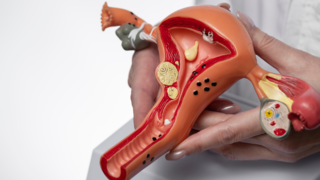
Let’s discuss what happens inside your ovaries during week 2.
What are the Common Signs of Ovulation in Week 2
During week 2, your body may show subtle signs that ovulation is approaching or occurring, such as:- Clear, stretchy cervical mucus
- Mild pain or discomfort on one side of the lower abdomen
- Increased sex drive
- Slight bloating
- Heightened senses
- Light spotting in some cases
- Small rise in basal body temperature
What Is Week 2 of the Cycle
Week 2 of the menstrual cycle is the phase when your body prepares for ovulation. It usually falls a few days after your period ends and leads up to the release of an egg from the ovary. During this time, hormone levels begin to rise, especially oestrogen, which helps mature an egg and signals the body to get ready for possible conception. Even though there is no pregnancy yet, your reproductive system becomes very active and focused on fertility.The stage often feels confusing because many people experience physical or emotional changes without fully understanding why. You might notice more energy, changes in vaginal discharge, and wonder what it means. However, it’s a regular thing for your body to move into its most fertile phase.
How Ovulation Begins in the Ovaries
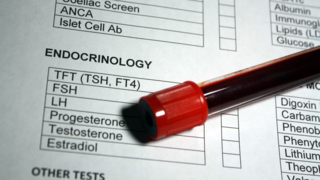
Ovulation begins through a carefully coordinated process involving the brain, hormones, and the ovaries. Each step prepares the body to release a healthy egg for possible fertilisation.Hormonal signals from the brain
Growth of ovarian follicles
Rising oestrogen levels
Luteinising hormone (LH) surge
Release of the mature egg
What Happens Inside Your Ovaries in Week 2
After the ovary releases a mature egg during ovulation, it does not remain inactive. Instead, it continues to play an essential role in supporting the second half of the menstrual cycle and preparing the body for a possible pregnancy.The follicle transforms into the corpus luteum
Progesterone production increases
The uterus receives pregnancy signals
The body waits for fertilisation and implantation
Hormone levels change if pregnancy does not occur
What to Do Next
- Track your cycle using a calendar or ovulation app.
- Observe cervical mucus and physical ovulation signs.
- Consider ovulation predictor kits if trying to conceive.
- Maintain a balanced diet and stay hydrated.
- Manage stress and prioritise quality sleep.
You’re not alone in your journey when trying to conceive. Join our supportive community to connect with others, share experiences, and find encouragement every step of the way.
FAQs on The Ovulation Process: What Happens Inside Your Ovaries in Week 2
- Can I feel ovulation happening?
Some people feel mild pain or discomfort on one side of the lower abdomen, while others notice no physical sensation. - Can I get pregnant before ovulation?
Yes. Sperm can survive for several days, so intercourse before ovulation can still lead to pregnancy. - Is ovulation the same as being pregnant?
No. Ovulation is the release of an egg. Pregnancy begins only after fertilisation and implantation.