It’s frustrating when you track your cycle, adjust your diet, or make lifestyle changes and still feel like your body isn’t cooperating. That’s why understanding how thyroid and prolactin can mimic PCOS is so important.
In this article:
Could Your Symptoms Be PCOS, Thyroid Issues, or High Prolactin?
Sometimes PCOS, hypothyroidism, and high prolactin show up with such similar signs that it’s hard to tell which one is actually bothering you. When you’re dealing with missed periods, fatigue, or stubborn acne, it’s natural to wonder, “Is this really PCOS, or something else?”1. What Actually Happens in PCOS
PCOS is primarily a condition of ovulatory dysfunction and hormonal imbalance. It often involves excess androgens (male-type hormones). Many people also have insulin resistance, which can worsen hormonal imbalance.
These changes can lead to irregular cycles, acne, and increased hair growth.
2. How Hypothyroidism Can Look Similar To PCOS
When your thyroid doesn’t produce enough hormones, your body slows down. Hypothyroidism can lead to irregular or heavy periods, fatigue, weight changes, and mood shifts. It can also worsen ovulatory issues, making it look similar to PCOS.
3. Role of High Prolactin
Prolactin (a hormone made by the pituitary gland) normally supports milk production after childbirth, but it can rise even when you’re not breastfeeding. High prolactin (hyperprolactinemia) can suppress ovulation. This leads to missed or infrequent periods, symptoms that closely resemble PCOS.
How Do Symptoms of PCOS, Thyroid, and Prolactin Overlap to Cause Confusion?
You might notice the same set of frustrating symptoms no matter whether you’re dealing with PCOS, hypothyroidism, or high prolactin. And that’s exactly why doctors never rely on just one clue to make a diagnosis.These are the most common symptoms that tend to overlap across all three conditions:
- Irregular or missed periods
- Difficulty ovulating or absent ovulation
- Unexplained weight gain or trouble losing weight
- Fatigue and low energy
- Hair changes (thinning or excess growth, depending on the condition)
- Skin issues (acne, dryness, or oiliness)
- Mood changes like irritability or low mood
- Fertility challenges or delayed conception
Why Check Your Thyroid When PCOS Symptoms Show Up?
Hypothyroidism is surprisingly common in people with PCOS, which is why doctors often check your thyroid right alongside your reproductive hormones. Low thyroid levels affect metabolism, temperature regulation, and menstrual cycles (all areas that overlap with PCOS symptoms). If it goes undiagnosed, hypothyroidism can worsen insulin resistance, make PCOS symptoms harder to control, and even cause ovaries to appear polycystic on ultrasound.Many signs, like hair loss, mood changes, or sudden weight gain, can easily be mistaken as “just PCOS,” but a simple thyroid test can show whether something else is contributing. Since the thyroid also helps regulate sex hormones, low hormone levels can increase prolactin and reduce sex hormone-binding globulin (SHBG: the protein that keeps androgens balanced). When SHBG drops, free testosterone rises, leading to acne or unwanted hair growth.
Checking your thyroid-stimulating hormone (TSH) early helps confirm whether thyroid function is involved, so you can address it before it complicates your PCOS condition.
Can High Prolactin Levels Trick You into Thinking It’s Just PCOS?
Raised prolactin levels can easily make someone think they have PCOS because the symptoms overlap so closely:- When prolactin rises above normal, it can block ovulation and disrupt menstrual cycles, creating the same irregular or absent periods often seen in PCOS.
- High prolactin can also cause anovulation, and in some cases, it may slightly influence androgen levels, which adds to acne or unwanted hair growth and deepens the confusion.
- The overlap gets even trickier when thyroid issues are involved, because low thyroid hormone can increase prolactin, making it look even more like PCOS.
Which Blood Tests Can Reveal Whether It’s Really PCOS or Something Else?
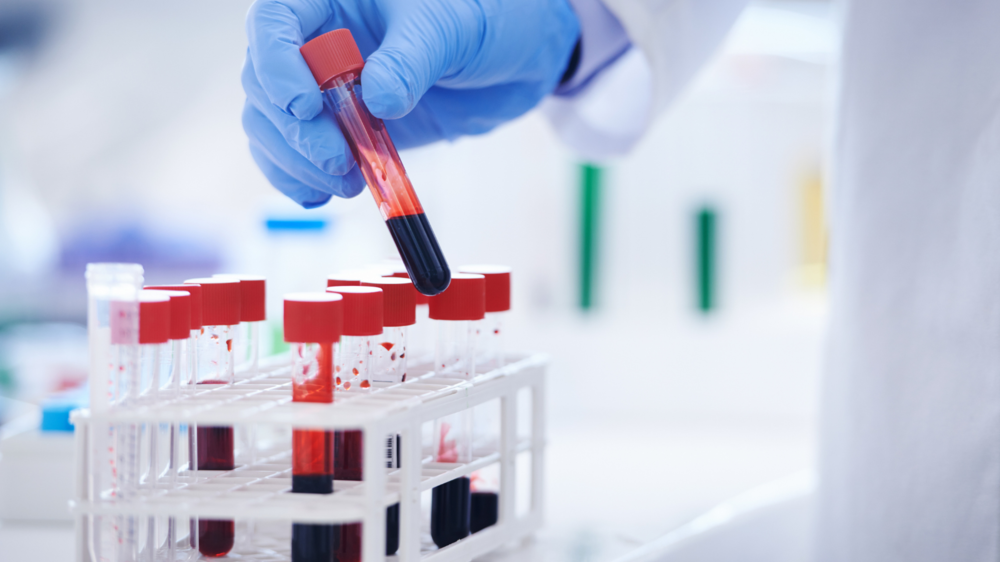
Blood tests can help you understand what’s really happening in your body. No single test can “prove” PCOS, but when you combine hormone checks, metabolic tests, your medical history, and an ultrasound, you get the full picture.- Androgens (testosterone and DHEA): Even if they’re just a little above normal, they can quietly suppress ovulation and cause acne or unwanted hair growth.
- Prolactin: High levels can mimic PCOS by affecting your periods, especially if your thyroid isn’t functioning properly.
- SHBG: Low levels mean more free testosterone is active, contributing to hair, skin, and cycle issues, often linked to insulin resistance.
- Thyroid: Checking TSH and free T4 shows whether your gland is underactive, which can worsen other PCOS symptoms.
- Anti-Müllerian hormone (AMH): It reflects how many follicles your ovaries have. Higher levels can support a PCOS diagnosis, but it’s best read alongside your age.
Whether you’re pregnant, a new mom, or navigating postpartum, you don’t have to do it alone. Join our support group to connect, share, and support one another.
FAQs on PCOS or Hormonal Imbalance? Effects of Thyroid and Prolactin
- Which diet and lifestyle changes help improve hormonal balance?
A balanced diet rich in whole grains, lean proteins, fruits, vegetables, and healthy fats can support hormone regulation. - How can managing thyroid or prolactin issues relieve PCOS symptoms?
Treating hypothyroidism or hyperprolactinemia restores normal hormone levels, which can improve menstrual regularity and ovulation.