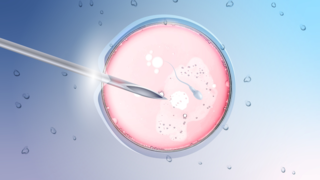
Understanding your ovulation pattern is the cornerstone of any fertility treatment. Even though IUI is a medically guided process, your natural cycle still plays a crucial role. The procedure works best when the egg is released, and the sperm is put in at the same time. The egg only lives for 12 to 24 hours, so your doctor needs to plan for insemination during that time frame.
In this article:
Learning how to monitor and interpret ovulation signs not only helps both you and your fertility team act at the right time but also empowers you, giving you a sense of control and confidence in the process.
Why Ovulation Tracking Matters in IUI
During IUI, prepared sperm are placed directly inside the uterus to meet the egg. For this to succeed, sperm must already be waiting when ovulation occurs. Tracking ovulation ensures insemination happens close to that point, increasing the chances of fertilisation.Without accurate tracking, even a perfectly performed IUI may fail simply because it happened too early or too late. That is why most fertility specialists combine your natural signs with clinical tools like ultrasounds and blood hormone tests.
Accurate tracking does more than boost success rates. It also reduces emotional stress by providing a clear plan, helping you feel more in control during an otherwise uncertain process. Knowing you're on the right track can help you deal with the stress of tracking your fertility and let you focus on your emotional health.
Understanding Your Fertile Window
Ovulation usually happens about 14 days before your next period, but this varies among women. The fertile window refers to the five to six days leading up to ovulation, as well as the day of ovulation itself. Sperm can stay inside the reproductive tract for up to five days, so inseminating a day or two before ovulation gives sperm time to reach and fertilise the egg.Methods of Tracking Ovulation
Charting Basal Body Temperature (BBT)
After ovulation, your basal body temperature goes up a little bit because your body makes more progesterone. If you take your temperature every morning, you might see a pattern. On the other hand, this way only shows that ovulation has already happened, which makes it less helpful for timing IUI. Using it in conjunction with various tools makes it work most effectively.Ovulation Prediction Kits (OPKs)
These at-home urine tests can detect the luteinizing hormone (LH) surge that triggers ovulation. The LH surge usually happens 24 to 36 hours before ovulation, which is when the egg is released. If you get a positive result, it means that ovulation is coming soon, and your doctor can plan for insemination.Ultrasound Scans for Follicular Monitoring
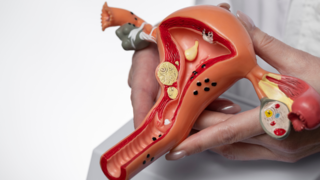
It is the best way to keep track of ovulation during fertility treatment. Your doctor uses transvaginal ultrasounds to monitor the growth of follicles — the sacs that hold the eggs. When a follicle reaches the right size, it indicates that ovulation is near. Sometimes, your doctor may use a trigger shot to release the egg at the ideal time for IUI.Blood Hormone Tests
Blood tests can tell you how much LH, progesterone, and oestrogen are in your body. They check whether you have ovulated and assess the quality of your cycles. This information, along with the scans, provides a comprehensive picture of when you can get pregnant.Cervical Mucus Observation
Your cervical mucus changes throughout your cycle. Around ovulation, it becomes clear, slippery, and stretchy — similar to egg whites. This consistency helps sperm travel smoothly to the egg. While this method is natural, it can be affected by factors such as dehydration, certain medications, or infections.Timing IUI Accurately
When is the best time for IUI? It depends on whether you are using natural ovulation or a medically induced cycle. The doctor plans to inseminate you about 24 hours after an ovulation test or a blood test shows that your LH levels are rising.Drugs like Clomiphene Citrate or gonadotropins are used to help more than one egg grow and be released in a stimulated cycle. An hCG trigger shot is given to control when ovulation happens, when the strands are ready. This shot contains a hormone that mimics the LH surge, triggering the release of mature eggs. The IUI occurs about 36 hours after the trigger, which makes sure that the sperm and eggs are both ready to be fertilised at the same time.
Mistakes to Avoid When Tracking Ovulation
Testing Too Late in the Day
LH levels surge rapidly and can peak during the morning. Testing your urine later in the day may miss this short window. For optimal results, try testing between 10 a.m. and 2 p.m.Skipping Tests on Alternate Days
Ovulation can vary from 1 month to the next. Testing daily around your fertile window helps avoid missing the surge. For irregular cycles, start testing earlier and continue for a more extended period.Ignoring Your Body's Signals
A lot of women only use test kits and ignore their body's natural signs, like cramping, sore breasts, or changes in mucus. Paying attention to both makes you more aware of your body and improves your accuracy, which helps you better understand your fertility cycle.How Technology Is Making It Easier to Track Ovulation?
Fertility care today goes beyond just basic testing. Smart devices and digital monitoring tools now enable real-time monitoring of hormone changes. Apps that work with your test kits or wearable sensors can provide precise information about changes in LH levels and in your basal body temperature.In clinics, advanced ultrasound imaging and hormone mapping allow doctors to plan insemination with pinpoint accuracy. Artificial intelligence is also being introduced to predict ovulation based on a combination of health metrics. This level of precision has already shown improved IUI success rates worldwide.
Accurate ovulation tracking is one of the most crucial factors in achieving success with IUI. It bridges medical science with the natural rhythm of your body. By combining home tracking, clinical monitoring, and emotional awareness, you give yourself the best chance for conception.
Fertility is not about perfection. It is about patience, observation, and trust in the process. Every chart, test, and scan is part of your story — one that is built on resilience, hope, and quiet determination.
You’re not alone in your journey when trying to conceive. Join our supportive community to connect with others, share experiences, and find encouragement every step of the way.
FAQs on Tracking Ovulation Accurately for a Successful IUI
- How many days before ovulation is IUI done?
Usually, one to two days before ovulation, depending on your cycle and medical advice. - Can I track ovulation naturally before IUI?
Yes, but clinical monitoring with scans and hormone tests is far more reliable for precise timing. - What is the best time to take an ovulation test?
Between late morning and early afternoon, when LH levels are most detectable.