In this article:
When Does Implantation Happen After Conception
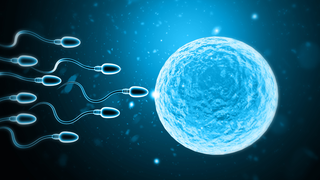
Implantation does not happen immediately after fertilisation. It takes a while as your fertilised egg first travels through the fallopian tube before reaching the uterus. Usually:- Fertilisation takes place within 24 hours after ovulation
- The fertilised egg takes 5 or 6 days to travel
- Around 6 to 10 days after ovulation, implantation takes place
What Changes Occur In the Uterine Lining Before Implantation
With the influence of hormones, the endometrium, or your uterine lining, undergoes some noteworthy changes each month.Thick & Spongy Endometrium
After ovulation, progesterone takes charge of:- Keeping the lining healthier
- Maintaining the softness of the wall
- Keeping the blood vessels functional
Boost in Blood Supply
To maintain an uninterrupted supply of oxygen and nutrients, tiny blood vessels in the lining expand. This environment helps the early embryo to settle and grow safely.What Exactly Happens When Implantation Takes Place
Once reaching your uterus, the blastocyst gently floats for a while until it chooses a suitable spot. Then three major events take place:Attachment
At first, the blastocyst makes gentle contact with the uterine lining and gradually establishes a connection, instead of drilling in suddenly.Embedding
To soften the adjoining tissues, the external layer of cells of the blastocyst releases natural enzymes. This lets the blastocyst attach more strongly to the lining.Safe Attachment
Within 24 to 48 hours, the embryo becomes safely anchored inside the endometrium, marking the true beginning of your pregnancy.What Changes Do the Cells Inside the Blastocyst Undergo
Implantation makes the blastocyst divide into specialised parts to perform specialised functions.External Layer: Placental Development
The cells attached to the external surface are called trophoblasts. These cells contribute to the formation of:- Your placenta
- The layers that protect the baby
Inner Cell Mass: The Baby’s Development
The inner layer of cells contributes to:- Your baby’s organs
- Brain
- Heart
- Tissues and bones
When Does the Body Start Producing Pregnancy Hormone
Right after implantation stabilises, the embryo begins releasing hCG (human chorionic gonadotropin), the pregnancy hormone. hCG signals your body:- To pause your menstrual cycle
- To keep the progesterone level in check
- To support the stability of the uterine lining
Do You Feel Symptoms When Implantation Happens
Many individuals do not notice any symptoms. However, some subtle changes may occur.- Slight discomfort in the lower abdomen
- Light spotting (implantation bleeding)
- Breast tenderness
- Feeling slightly tired
- Mood fluctuations
Is Implantation Bleeding Normal
Implantation bleeding is not common in every individual, but when it happens, it is usually:- Coloured as brown or light pink
- Spotting rather than flowing
- Lasting 1 or 2 days
- Not associated with large clots
- Heavy
- Bright red
- Associated with severe pain
What Factors Support Healthy Implantation
Both embryo quality and uterine environment play a significant role in implantation. Factors that contribute to implantation include:- A balanced level of hormones
- Good blood to the uterus
- Stress management and sufficient rest
- Controlled blood sugar and thyroid levels
Can Implantation Fail Sometimes
Yes, sometimes implantation does not occur even if fertilisation happens. Possible reasons include:- Thin or poorly developed uterine lining
- Hormonal imbalance
- Chromosomal abnormalities in the embryo
- Smoking or high stress
- Certain medical conditions
Emotional and Psychological Aspects
The time between ovulation and implantation can make you feel emotionally overwhelmed. You may experience:- Hope
- Worry
- Curiosity
- A sense of confusion
To help yourself feel less alone and more relaxed, leaning on your partner or loved ones can be beneficial.
When Is Medical Assistance Required
Immediately contact a doctor if you suffer from:- Severe cramping in the lower abdomen
- Cramping that doesn’t improve
- Heavy bleeding
- Fainting or lightheadedness
- Unusual discharge or high temperature
What Should You Do Further
- Track your period and fertility window
- Avoid tobacco, alcohol, and too much caffeine
- Eat a healthy diet and stay hydrated
- Get enough rest to ease stress
- Wait 10 to 14 days after you ovulate before taking a pregnancy test
- See a doctor if the pain or bleeding does not reduce
Implantation is a delicate and significant process in which the fertilised egg securely attaches to the uterine lining and begins to form the foundations of pregnancy. Inside your uterus, cells organise into the early embryo and placenta, hormones activate to support growth, and your body prepares for new life.
By understanding the events of implantation, you can become more aware, confident, and reassured of when to seek medical guidance.
You’re not alone in your journey when trying to conceive. Join our supportive community to connect with others, share experiences, and find encouragement every step of the way.
FAQs on What Happens Inside the Uterus When Implantation Occurs
- Can implantation occur after 10 days of ovulation?
Yes. In some rare instances, implantation may occur around 11 to 12 days of your ovulation period. - Is there any pain caused by implantation?
Generally, implantation causes mild cramping or a feeling of heaviness rather than severe pain. - Does implantation confirm a healthy pregnancy?
Implantation is just the beginning of your pregnancy. However, many health and developmental factors contribute to a healthy journey.