In this article:
What Happens Inside Your Body Before Implantation Occurs?
After fertilisation, the developing cell, called a blastocyst, begins its journey from the fallopian tube toward your uterus. This process lasts 5 to 7 days, during which rapid cell division occurs, preparing the cells to attach to the uterine lining.Uterine Lining & Its Significance
Under the influence of hormones, the uterine lining or endometrium thickens throughout your menstrual cycle. This lining becomes soft, well-vascularised, and ready to support a pregnancy.- The uterine lining helps with the nourishment of the growing foetus
- It also contributes to the formation of blood vessels
- It also aids in the formation of layered tissues
What Do You Mean By Implantation & Why Does Bleeding Take Place?
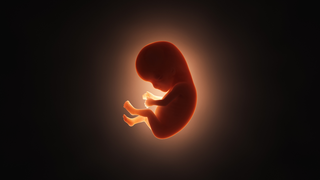
When your embryo gets attached to the uterine lining, implantation takes place. Some tiny blood vessels may rupture as it gently burrows into the lining. This causes implantation bleeding, which appears as mild spotting.It is not the same as your regular period and involves a small release of blood caused by:
- Changes in the hormones
- Attachment of the embryo
- Local tissue adjustments
When Does Implantation Bleeding Usually Happen?
Implantation bleeding usually takes place 6 to 12 days after conception, which often marks the time your next period is due. This creates confusion among many individuals who consider it an early or lighter period.Some individuals experience:
- Light pink or brown spotting
- Very small smears when wiping
- Brief staining on undergarments
What Is the Type of Implantation Bleeding?
- The colour is light pink or brown
- The bleeding is temporary and mild
- Not accompanied by heavy flow
- Not containing clots
You may also feel mild sensations such as:
- Light cramping
- Lower abdominal tightness
- Mild discomfort in the pelvis
- Energy loss
What Internal Changes Take Place After Implantation?
After successful implantation, the body produces the pregnancy hormone human chorionic gonadotropin.Changes in Hormones
hCG contributes to:- The healthy development of the placenta
- Keeping the uterine lining healthy and intact
- Prevention of menstruation
- The uterus needs to relax
- Support the growth of the embryo
- Strengthen the stability of tissues
Is Implantation Bleeding a Sign of a Healthy Pregnancy?
For a healthy pregnancy, implantation bleeding is not required. Some individuals experience it, while many do not.Both situations are normal.
The occurrence of mild spotting at this time may indicate that the implantation process has slightly disturbed tiny blood vessels.
However, the absence of spotting specifies no implantation. Every pregnancy experience is unique.
How Is Implantation Bleeding Different From a Period?
It is common to confuse implantation bleeding with a light period. However, key differences help you recognise them more clearly.Bleeding Pattern Differences
Bleeding related to implantation is:- Lighter in colour
- Shorter in duration
- Not associated with clots
- Not accompanied by heavy cramps
Sensational Variation
Cramps related to menstruation are usually intense and rhythmic.Implantation-related sensations are:
- Gentle
- It doesn’t last long
- Feel heavy
When Can Implantation Bleeding Raise a Concern?
You should contact a doctor if you notice:- Heavy, bright red bleeding
- Passage of clots or tissue
- Severe abdominal pain
- Fainting or dizziness
- Shoulder pain
- Bleeding increases instead of stopping
- Early loss of pregnancy
- Ectopic pregnancy
- Hormonal imbalance
- Infection
Can Implantation Bleeding Be Dangerous to the Foetus?
No, implantation bleeding doesn’t affect the foetus. The embryo becomes firmly implanted in the uterine wall and attaches to the developing placenta.The mild bleeding occurs only at the outer tissue surface, which doesn’t affect the foetus.
What Are the Common Emotional Reactions During This Phase?
Seeing unexpected spotting often leads to stress or confusion, leaving you wondering whether something is wrong with your pregnancy.During this time, you often feel:
- Joy
- Anxiety
- Hope
- Doubt
What Should Be Done Next?
- Monitor the colour and amount of bleeding
- Note when it starts and stops
- Rest and stay hydrated
- Avoid self-medication
- Wait a few days before testing if unsure
- Contact your doctor if anything feels unusual
Practical Tips for a Healthy Pregnancy
- Follow your prenatal visits
- Follow a healthy diet
- Stay away from alcohol and smoke
- Keep yourself calm
- Take enough rest
FAQs on What Implantation Bleeding Actually Means Inside the Body
- Does implantation bleeding happen to every woman?
No. Not every pregnant individual faces implantation bleeding and still achieves a healthy pregnancy. - Can implantation bleeding take place after a pregnancy test is positive?
Yes, because implantation and early hormone changes may overlap with early test timing. - Can implantation bleeding be an indication of miscarriage?
While mild spotting is not alarming, heavy bleeding accompanied by severe discomfort might indicate an underlying issue.