In this article:
Common Causes of Painful Nipples While Breastfeeding
1. Improper Latch: This is the most common reason for nipple pain. When a baby doesn’t take enough of the breast into their mouth, the nipple gets pinched or rubbed instead of gently drawn in. Signs of a poor latch:- Pain or pinching during feeds
- Flattened or blanched nipple after feeding
- Clicking or smacking sounds while feeding
2. Dryness or Cracked Nipples: Constant feeding and exposure to saliva can dry the skin and cause cracks or bleeding. Cracked nipples can also increase infection risk.
Tip: After each feed, express a few drops of breast milk and gently rub them onto your nipples. Breast milk acts as a natural healing and antibacterial barrier.
3. Incorrect Pumping Technique: If you use a breast pump, ensure the flange (shield) fits correctly. Too much suction or the wrong size can cause friction and soreness.
Solution: Consult a lactation expert to check your pump fit and suction settings.
4. Thrush (Yeast Infection): A burning, itching pain often during and after feeds could mean a yeast infection. Thrush can make nipples shiny, red, or flaky, and may cause pain even between feedings.
Treatment: Both mother and baby need antifungal treatment prescribed by a doctor to prevent reinfection.
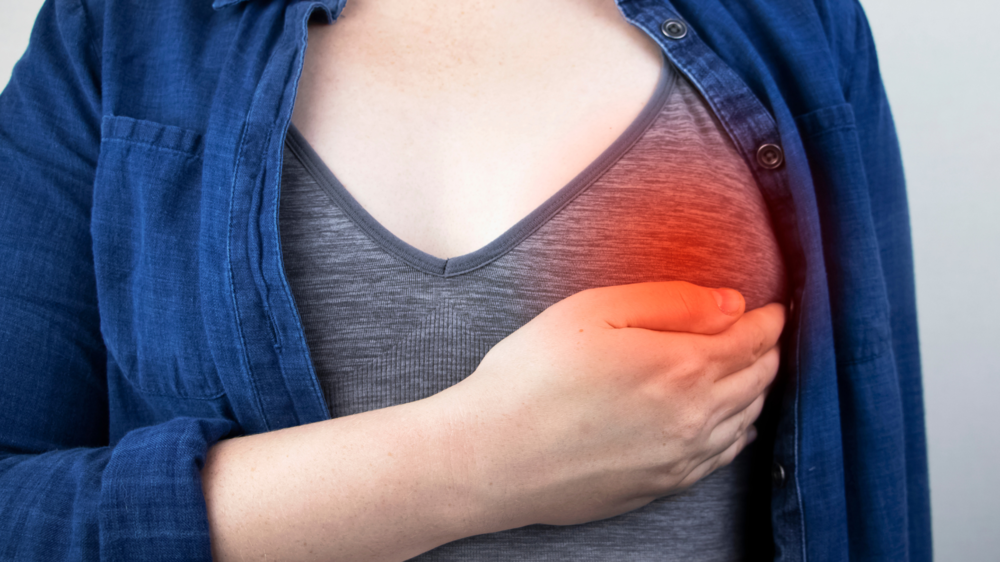
5. Blocked Ducts or Mastitis: A blocked milk duct or breast infection can cause pain that radiates from the nipple into the breast. Mastitis may also cause fever, swelling, or redness.
Solution: Continue breastfeeding frequently, apply warm compresses, and massage gently. Seek medical help if symptoms persist; antibiotics may be needed.
6. Vasospasm (Nipple Blanching): If your nipple turns white or purple after feeding and feels burning or tingling, it could be vasospasm — a narrowing of blood vessels triggered by cold or trauma.
Tip: Keep nipples warm, avoid sudden temperature changes; however, if the pain persists, you should consult your doctor.
When Pain Is Normal and When It’s Not
It's normal for your nipples to feel a little sore for the first few days as they get used to being fed often. If the pain lasts longer than a week, gets worse, or causes cracks or bleeding, you need to see a doctor.- Normal: Mild tenderness that improves with each feed.
- Not Normal: Sharp, burning, or throbbing pain that continues after feeding.
- Always trust your body — breastfeeding pain is not something you need to “push through.”
How to Relieve and Prevent Nipple Pain
- Check the latch: Ensure your baby’s chin touches your breast, and their mouth covers more of the areola than the nipple. Lips should be flanged outward, not pleated in.
- Change feeding positions: Experiment with side-lying or football hold positions to reduce pressure on sore spots.
- Use breastmilk as a natural healer: Rub a few drops onto your nipples after each feed, then let them air-dry.
- Keep nipples moist, not dry: Use lanolin-based or medical-grade nipple creams if needed. Avoid alcohol-based lotions that can worsen irritation.
- Don't use harsh soaps: Just wash with plain water. Soap strips natural oils and slows healing.
- Let the air in: After feeding, let the air in for a few minutes to help the healing process go faster.
- Use warm compresses: Warmth before feeding helps blood flow and relaxes milk ducts, which eases pain.
- Wear comfortable bras: Pick cotton nursing bras that don't restrict your movement. Tight bras can hurt sensitive nipples or stop milk from flowing.
Home Remedies for Sore Nipples
- Cold Compress: Helps reduce swelling and pain.
- Warm Shower: Encourages milk flow and relaxes tissues.
- Aloe Vera Gel: Natural anti-inflammatory that soothes irritation.
- Coconut Oil: Has mild antimicrobial properties and moisturises skin.
When to Seek Professional Help
Consult a lactation consultant or doctor if you experience:- Severe or worsening pain during or after feeding
- Cracks that won’t heal
- Redness, swelling, or fever (possible mastitis)
- Shooting pain inside the breast
- Signs of infection in your or your baby’s mouth
Maintaining Breastfeeding Confidence
It can be hard to deal with nipple pain, but you don't have to stop breastfeeding. Most moms get better quickly and can keep feeding comfortably with the right help, small changes, and self-care. Get help as soon as possible; that's why there are lactation experts. Your comfort is just as important as your baby's food.Whether you’re pregnant, a new mom, or navigating postpartum, you don’t have to do it alone. Join our support group to connect, share, and support one another.
FAQs on Painful Nipples While Breastfeeding: Causes, Remedies, and When to Seek Help
- Is nipple pain normal in the first few days of breastfeeding?
Mild tenderness can be normal, but sharp or ongoing pain indicates an issue that needs attention. - How can I prevent cracked nipples?
Ensure proper latch, use breast milk for healing, and avoid harsh soaps or tight bras. - Can I still breastfeed with sore nipples?
Yes, as long as there’s no severe infection. Adjusting the latch or position can make feeding pain-free again. - What does thrush feel like during breastfeeding?
Burning, itching, or shiny nipples are common signs. Both mother and baby need antifungal treatment. - How long should nipple pain last?
Most soreness improves within a week. Persistent pain beyond that means it’s time to see a specialist.