Why Does Blood Pressure Matter After Delivery?
Blood pressure is the pressure of blood forcing its way through your arteries. It is natural for blood pressure to be erratic during pregnancy due to hormonal and circulatory changes. Nonetheless, some individuals develop high blood pressure (hypertension), which persists or even begins after giving birth to the baby.In this article:
How Do Doctors Monitor Postpartum Blood Pressure?
Doctors resort to some simple yet effective techniques of monitoring your blood pressure following childbirth:- Frequent Checkups- Your blood pressure will be measured shortly after childbirth, then before discharge, and frequently at the visits about 1-2 weeks after childbirth.
- Home Monitoring- Your doctor might recommend the use of a digital blood pressure monitor at home to register the daily readings.
- Symptom Tracking- Warning signs like headaches, swelling, or vision changes are also inquired about by the doctors to be able to identify an early problem with blood pressure.
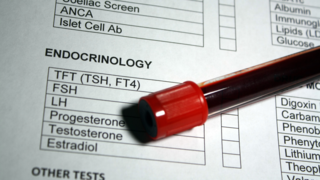
- Lab Tests (when necessary) - If your readings are high, your doctor can test your urine protein levels or order liver and kidney tests to exclude postpartum preeclampsia.
What Causes Postpartum Blood Pressure Problems?
Although your blood pressure may have been normal during pregnancy, several factors can cause high readings:- Postpartum Shifts: There is an excess of fluid in the body that is released after giving birth. These abrupt changes may temporarily raise blood pressure.
- Hormonal Changes: A reduction in hormones such as progesterone and estrogen can affect the tone of your blood vessels.
- Preeclampsia History: You are at risk of having higher blood pressure after childbirth if you had high blood pressure in pregnancy.
- Obesity or Diabetes: Both conditions may leave your body struggling to control blood pressure.
- Stress and Lack of Sleep: Having a newborn baby and recovering can increase stress hormones, which may also damage your heart and circulation. Your blood pressure may be 140/90 mmHg or more.
What Are the Warning Signs You Should Watch For?
In some cases of postpartum blood pressure problems, the symptoms do not manifest, but your body usually sends you signals. You should watch for:- Serious or chronic headaches
- Unclear or blurred vision or flashing lights
- Permanent swelling of the face, hands or legs
- Abdominal or chest pain
- Shortness of breath
- Unexpected weight increase (above 2 kg in less than a few days)
When Should You See a Doctor Immediately?
You must visit the emergency room or contact your doctor immediately in case:- Your blood pressure is 140/90 mmHg or more
- You have chest pains or shortness of breath
- You also have a terrible headache that cannot be cured by rest or medication
- You are lightheaded, lost, or weak
What Can You Do to Manage Your Blood Pressure After Delivery?
You actively participate in recovery. The following are some steps that can be used to control postpartum blood pressure:- Check frequently: Monitor the blood pressure every day at the same time and record the readings
- Eat consciously: Eat fruits, vegetables, and whole grains, and reduce salt intake
- Maintain fluid intake: Water helps flush excess fluid from your body
- Take a rest as often as possible: Even brief naps aid heart recovery
- Stress reduction: Deep breathing, meditation or even requesting someone to assist you can help
- Take medications the way your doctor prescribes them: Do not take fewer or more without consulting your doctor
- Remain active: Light exercise is okay, but must be approved by your physician.
- Avoid heavy, ghee-laden postpartum diets: In many Indian households, new mothers are given foods rich in ghee, which is believed to aid recovery. But these high-fat meals can increase weight, cholesterol, and blood pressure. Choose lighter, balanced meals instead, unless your doctor advises otherwise.
What’s the Connection Between Mental Health and Blood Pressure?
The postpartum phase may be stressful. Sleeplessness, anxiety, and mood are all common, but they also have an impact on the functioning of the heart. When you are stressed, hormones such as cortisol and adrenaline are released, which may raise your blood pressure. Being able to talk about your emotions, support groups or sharing your problems with your doctor may allow you to maintain a level head emotionally and physically.What To Do Next: A Simple Checklist
- Measure blood pressure daily during the initial 2-3 weeks of postpartum
- Keep a diary of your readings and symptoms to share with your doctor
- Monitor warning signs, such as headaches or eye problems
- Eat a nutritious, low salt diet
- Visit all postpartum visits- even when you are okay
- Request your family to assist you in sleeping and recuperating
FAQs on How Doctors Watch For Signs Of Postpartum Blood Pressure Issues
- Can blood pressure rise even weeks after delivery?
Yes, it may be normal throughout pregnancy, but postpartum blood pressure may increase up to 6 weeks after childbirth. This is the reason why it is necessary to monitor regularly. - Will I need to take blood pressure medicine after delivery?
Yes, when you keep up your readings. The doctor will select breastfeeding-safe medicines. - Can stress or lack of sleep cause high blood pressure after birth?
Yes, sleep deprivation and emotional stress have temporary elevations in blood pressure. It can be managed with rest, hydration, and family support.