In this article:
What Does an Unstable Heartbeat Indicate
During labour, your baby's heartbeat is closely monitored using a device called a foetal monitor. An abnormal foetal heart rate (FHR), which is an unstable situation in the baby’s heartbeat, can be a sign of stress. It can be brief or something more serious that needs a doctor’s help.The doctors keep an eye on these changes to see if the baby is doing well during labour, or if any further medical assistance is needed.
What Causes an Unstable Heartbeat in the Foetus
During labour, the baby’s heart rate might drop for a few reasons:- Strong contractions can mess with oxygen or blood flow for a bit, which can cause the heart rate to slow down for some time.
- Oxygen supply to the foetus can be hampered if the umbilical cord gets clutched or is wrapped around the baby’s neck.
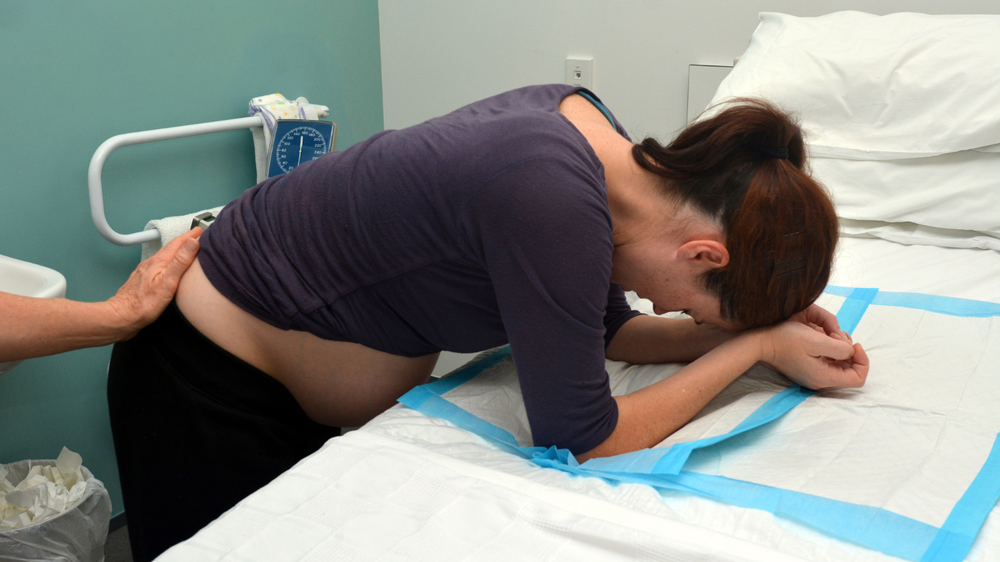
- Some positions can also make the heartbeat unstable for a short time.
- Dehydration, fever, or low blood pressure can disrupt the baby's heart rate.
- The rhythm of your baby’s heartbeat can be disrupted by pain relief medications like oxytocin or epidurals.
What Are The Signs You Might Encounter
While most heartbeat changes can easily be recognised through monitors, you might encounter indirect signs that need medical intervention.- Prolonged or unusual discomfort during labour
- Reduced or no movement from the baby
- Feeling light-hearted or faint
How Does Your Medical Team Respond
Your medical team uses multiple tools to stabilise your baby's heartbeat:- Changing your position by lying on your left side can enhance the flow of blood to the baby.
- Giving you oxygen therapy may increase oxygen supply to your baby.
- Your doctor might change your medicines or give you IV fluids to alleviate your blood pressure and contractions.
- Keeping a close watch on your baby will help make sure they’re doing okay.
- In case of an irregular heartbeat of your foetus, surgeons might use tools like vacuums, forceps, or perform a caesarean delivery.
Can This Injure the Foetus
There’s no chance of injury to your baby in cases of variability or momentary dips. Babies are strong and usually recover faster with medical help. The medical team keeps a close watch to catch anything early and deal with it right away, so there’s a lower chance of complications.However, prolonged instability can be dangerous without intervention, which is why timely action is needed.
What is a Mother’s Role in this Situation
While your medical team is taking care of everything, you can also:- Stay relaxed and breathe deeply. This makes sure your baby gets enough oxygen.
- Drink plenty of water or other liquids. Staying hydrated helps keep your blood pressure good.
- Change positions quite often. Sitting, walking, or lying on your side can improve blood flow.
- Consult your doctor or midwife about your worries and uneasiness.
- Relying on your partner or companion can help you stay relaxed and alert your team when it's necessary.
Emotional & Social Considerations
Seeing your baby’s heartbeat change on the monitor can be nerve-wracking, and it’s totally normal to feel anxious. Try to lean on your family, your partner and loved ones for support. Staying calm can actually lead to a steady heart rate for your foetus. Stress hormones can mess with contractions and blood flow.Don't be afraid to ask the medical team to explain what’s going on in simple terms. They are there to help you understand everything.
What Needs to be Done?
- Pay attention to your body and the baby’s movement.
- Stay hydrated and change positions whenever possible.
- Clear your doubts on foetal monitoring results.
- Keep your birth partner in the loop to support you.
- Pay attention to your medical team’s instructions.
Whether you’re pregnant, a new mom, or navigating postpartum, you don’t have to do it alone. Join our support group to connect, share, and support one another.
FAQs on When a Baby’s Heartbeat Becomes Unstable During Labour
- Is the slow heartbeat of my baby normal during labour?
Yes. Gentle dips are natural as a result of contractions. Nevertheless, severe or chronic drops need immediate action by a doctor. - Will switching my posture help stabilise my baby’s heartbeat?
Absolutely. Lying on your left side can improve blood flow and help normalise blood pressure. - In what instances would a C-section be required for an unstable heartbeat?
When the heartbeat cannot be stabilised by measures such as oxygen, switching postures, or medications, a C-section can be considered for the baby’s safety.