In this article:
What Does Early Pregnancy Do to Your Baby’s Skin?
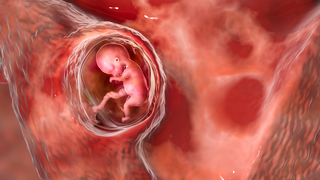
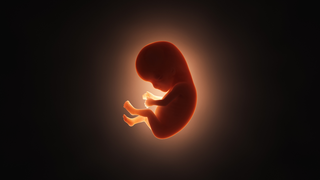
At the beginning of pregnancy, your baby's skin remains thin, soft, and extremely transparent. The skin isn’t fully developed, with all its layers, so it’s incapable of performing significant functions such as protecting or regulating temperature.
The skin becomes very thin around weeks 8 to 10. Blood vessels are visible through it, which makes the baby appear reddish. At this stage, the skin primarily serves as a covering rather than a barrier.
Why Does Your Baby Need Thick Skin?
As your delivery date approaches, your baby’s skin must become stronger so it can deal with the external environment. While inside, the baby is kept safe by the amniotic fluid and a steady temperature. After birth, the skin must:
- Prevent excess moisture loss
- Protect against infections
- Regulate body temperature
- Act as a barrier against external irritants
How Does Your Baby’s Skin Thicken Gradually?
Second Trimester (week 13 to 27)
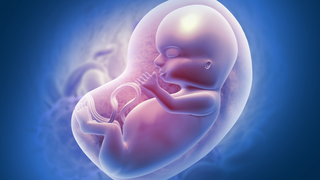
At this stage, another layer of skin begins to form. The inner and outer layers begin to form as distinct layers. Fat cells also start to develop beneath the skin, although they're still minimal.
Third Trimester (week 28 to 40)
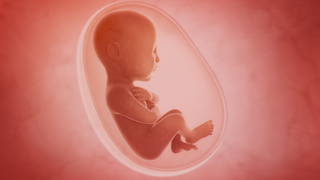
This is when skin thickening becomes more prominent. Your baby gains more fat rapidly, about 15 to 30 grams a day in the final weeks. This layer of fat makes the skin look smoother and helps the baby feel warm after birth.
What Is the Purpose of Vernix Caseosa in Skin Protection?
As your baby grows, their skin becomes coated with vernix caseosa, a white, creamy substance. This layer contributes to several events:
- Protects the skin from constant contact with amniotic fluid
- Prevents cracking and dryness
- Acts as a natural antibacterial barrier
How Are Hormones Responsible for Skin Thickening?
Your baby's skin development is also regulated by your hormones, where a surge in growth hormones and insulin encourages skin development. These hormonal shifts make the skin layers tougher and stimulate the oil glands to produce a skin barrier that protects the fetus before birth.Does Skin Thickening Impact the Appearance of Your Baby?
Yes, it does. As your baby's skin thickens:
- The reddish, translucent look fades
- Skin becomes more opaque and smoother
- Wrinkles reduce as fat deposits increase
Can Skin Thickening Be Slower in Some Pregnancies?
In many instances, babies born prematurely may lack the skin thickness. This is because they didn't have the exact duration required to develop fat layers fully. Premature babies may require additional medical care to maintain warmth and hydration.
Factors contributing to improper skin development are:
- Preterm birth
- Poor nutrition of the mother
- Certain medical complications affect pregnancy
How Can You Support Healthy Skin Development During Pregnancy?
While skin thickening is a normal part of foetal development, your health greatly influences your baby’s growth.
Keep Your Diet Wholesome
To support your baby’s tissue development, make sure you have enough healthy fats, proteins, vitamins, and minerals in your diet. Nutrients such as vitamin A, C, and omega-3 fatty acids may help ensure that your baby develops healthy skin.Drink Plenty of Water
Water makes sure that your baby is provided with all vital nutrients, as it keeps your blood flowing.Attend Check-ups Regularly
Regular sonography and growth measurements can be performed, during which physicians monitor the baby's development, particularly skin and fat formation.Stay Relaxed
High stress can disrupt hormone balance. Emotional well-being indirectly contributes to healthy foetal development.What Emotional Connections Can You Create During This Phase?
Understanding your baby's physical changes can strengthen emotional bonding. When you know your baby's skin is thickening and becoming stronger, it reinforces the sense that your baby is getting ready to meet you.Talking to your baby, attending prenatal appointments with your partner, and discussing your baby’s growth together can strengthen your emotional bonding and ease stress.
When Can Skin Development Be Alarming?
The concerning signs are:
- An unusual rate of your foetal development
- Specific signs indicating growth restriction
- You are prone to having a premature baby
What to Do Further?
- Maintain a healthy, wholesome diet every day
- Drink enough water to stay hydrated
- Attend all your prenatal appointments
- Consult your doctor if you’re concerned about your foetal development
- Lean on your family for support and emotional well-being
- Take enough rest, especially in the third trimester
As pregnancy progresses, your baby's skin thickens gradually to prepare for life after birth. This process helps protect the baby, regulate body temperature, and ensure its survival in the external environment. Your contribution to supporting your foetal development is important and includes maintaining a calm emotional state, maintaining a healthy diet, and consulting your healthcare provider regularly.
Whether you’re pregnant, a new mom, or navigating postpartum, you don’t have to do it alone. Join our support group to connect, share, and support one another.
FAQs on How the Baby's Skin Thickens as Pregnancy Advances
- Is the maturity of a baby indicated by skin thickening?
Your baby’s thick skin could indicate maturity. However, a baby also needs proper brain, lung, and organ development to grow fully. - Why is the skin of premature babies very delicate?
Premature babies have thinner skin. This is because their layer of subcutaneous fat and skin barrier develops primarily during the final stage of pregnancy. - Can a sonography detect changes in a baby’s skin?
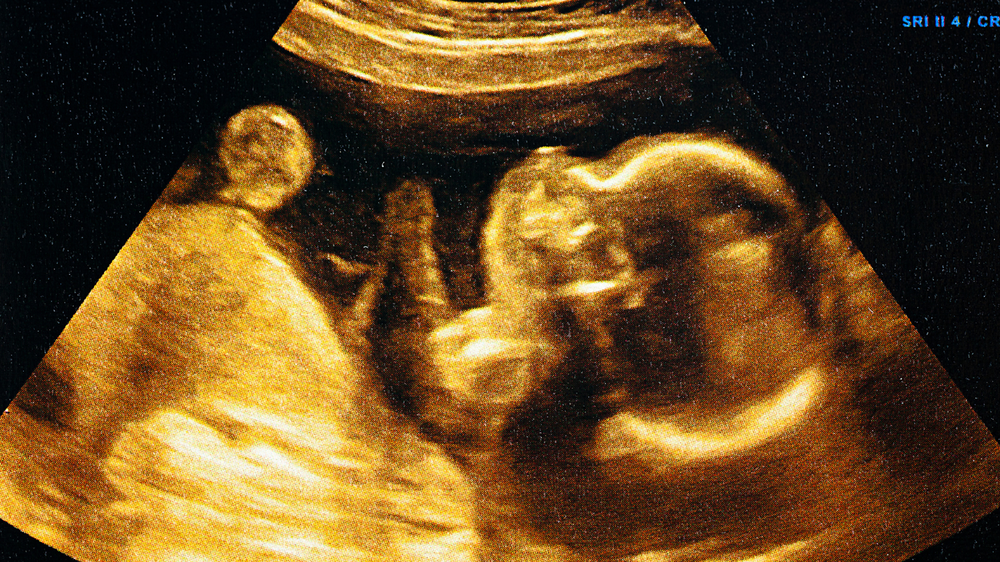
A sonogram cannot directly show how thick the baby’s skin is. It’s useful for evaluating fat deposits and how well the baby is growing.