In this article:
What Makes Millets Different From Regular Grains?
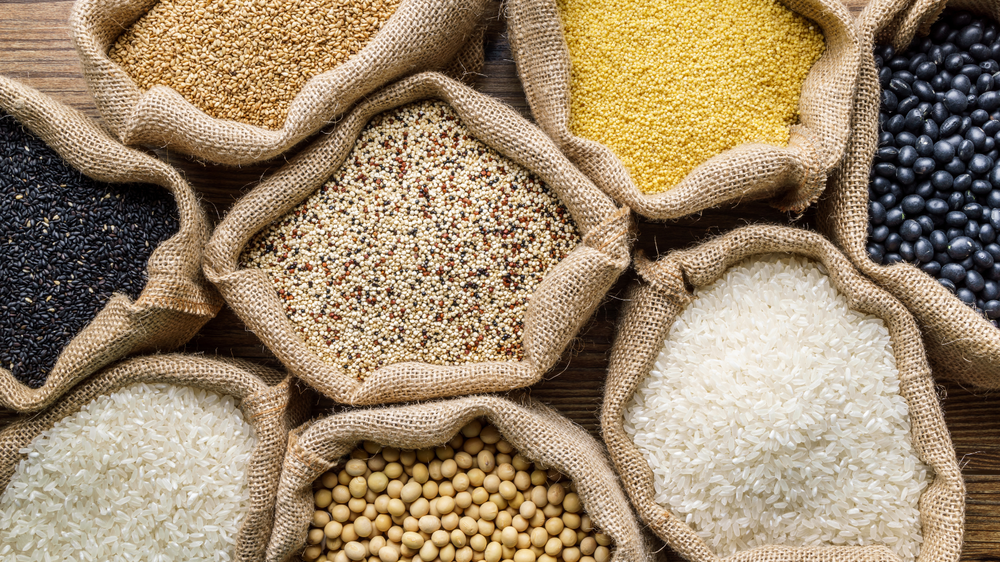
Millets are small whole grains such as ragi (finger millet), bajra (pearl millet), jowar (sorghum), and foxtail millet. They contain higher amounts of fibre, iron, magnesium, B vitamins, and complex carbohydrates compared to many common grains.During pregnancy, your body needs steady and long-lasting energy. Millets provide this because they release glucose slowly, helping you avoid sudden drops in strength or mood.
How Do Millets Influence Your Energy Levels During Pregnancy?
Do Millets Provide More Stable Energy?
Yes. Because millets contain complex carbohydrates and high fibre, they help maintain stable blood sugar levels. This prevents sudden energy crashes that often make you feel weak or dizzy.Studies show that complex carbs can improve sustained energy for several hours, while millets are known to contain 8–12% protein and 6–11% fibre, making them a reliable energy source during pregnancy.
Can Millets Help Reduce Fatigue?
Millets contain nutrients such as iron and folate, which support red blood cell production. Low iron is one of the most common causes of tiredness during pregnancy. If you include iron-rich millets like ragi, you may feel more energetic because your body gets better oxygen circulation.Do Millets Support Thyroid Health and Energy Metabolism?
Some millets, especially bajra, are rich in magnesium and B vitamins that are essential for energy metabolism. If your thyroid levels are normal, these nutrients can support hormonal balance and help your body use energy more effectively.Are Millets Easy to Digest During Pregnancy?
Millets are generally easy to digest because of their fibre content. But during pregnancy, your digestion may slow down, especially in the second and third trimesters. If you introduce millets in moderate amounts, they support good digestion and prevent constipation—another reason your energy levels improve.Can Eating Millets Affect Your Mood and Mental Energy?
Yes, nutrition affects emotional well-being too. Millets contain tryptophan, an amino acid that supports the production of serotonin—the “feel-good” hormone. This may help improve your mood, sleep quality, and concentration, all of which influence your daily energy levels.Feeling mentally lighter can improve your overall pregnancy experience and help you stay active and connected with loved ones.
How Much Millet Should You Eat During Pregnancy?
No fixed amount works for everyone, but moderate consumption is considered safe. You can aim for:- ½ to 1 cup of cooked millet per day
- Choosing different types of millets throughout the week
- Balancing millets with vegetables, dals, curd, or protein sources
What Are the Lesser-Known Benefits of Millets for Energy?
Do Millets Help With Hydration?
Some millets, especially foxtail and barnyard, retain water well during cooking and keep you hydrated longer. Proper hydration is key to avoiding tiredness, headaches, and dizziness.Do Millets Support Stronger Muscles?
Millets contain magnesium, which helps relax and strengthen muscles. This can reduce pregnancy-related muscle fatigue, allowing you to move with more comfort and energy.Can Millets Help Manage Weight Gain?
Millets help prevent unnecessary snacking by keeping you full longer. Balanced weight gain supports better mobility and reduces fatigue during pregnancy.When Should You Be Careful With Millets?
You should speak to your doctor if:- You have thyroid issues
- You experience bloating or discomfort after eating millets
- You have gestational diabetes and need a personalised diet plan
What To Do Next: Simple Checklist
- Introduce millets slowly and observe your digestion
- Choose different millets throughout the week
- Drink enough water to support digestion
- Speak to your doctor if you have thyroid concerns
- Combine millets with protein for balanced energy
- Involve your partner or family in meal planning to reduce stress
Emotional & Social Aspects
Choosing healthier foods during pregnancy is not just a physical decision—it also affects your emotional comfort. When your energy improves, you may feel more confident, active, and connected with your partner and family. Healthy meals shared with loved ones create bonding moments and reduce stress, helping you enjoy your pregnancy journey more fully.A millet-based diet can be a powerful source of steady, long-lasting energy during pregnancy. Because millets release energy slowly, support digestion, and improve nutrient intake, they help reduce fatigue and promote overall wellness. By introducing them in moderate quantities and choosing the right type for your needs, you can support both your physical and emotional health throughout your pregnancy.
Whether you’re pregnant, a new mom, or navigating postpartum, you don’t have to do it alone. Join our support group to connect, share, and support one another.
FAQs on How Millet-Based Diets Impact Pregnancy Energy Levels?
- Can I eat millets every day during pregnancy?
Millets are safe to eat in moderate quantities during pregnancy. However, it is always good to rotate different types to receive balanced nutrition from them. - Which millet is best for boosting energy levels in pregnancy?
Ragi is an excellent source of both iron and calcium, while foxtail and jowar provide steady energy due to their complex carbohydrates. - Are millets safe if I have acidity or gas during pregnancy?
Although millets are safe, you can start by consuming smaller portions and increase the size slowly if you have bloating problems.