In this article:
Painful Bowel Movement During Pregnancy
During pregnancy, many women feel pain during defecation that feels like tearing, stabbing, or throbbing pain. When the faeces harden and strain the sensitive anal lining during the passage, it causes sharp pain. Some may even notice blood on tissue, itching, or prolapse sensations. Painful bowel movements during pregnancy are not just caused by hardened stool. Abnormal anorectal muscle coordination, mucosal injury, or pelvic tension can also produce pain even with regular bowel movements.Burning pain during stool passage feels like intense heat or irritation around the anus. A tearing sensation feels like ripping the anal canal. Sharp rectal pain is a sudden pain that feels like stabbing or piercing. Deep pelvic pressure pain feels heavy and full in the lower pelvis during and after bowel movements.
Reasons Behind Painful Bowel Movement During Pregnancy
- Hormonal Influence: Progesterone surges during pregnancy, relaxing smooth muscle throughout the body, including the gastrointestinal tract. This relaxation slows the stool movement. When the stool remains in the intestine for a long time, it absorbs both nutrients and water, making it hard and dry with reduced bulk. Hardened stool needs more effort to pass, which increases mechanical stress on the anal canal and pelvic floor, causing painful bowel movements.
- Mechanical Pressure: The uterus expands and takes up more space within the abdominal and pelvic cavities, changing the position and functions of organs. The rectum, lying behind the uterus, compresses and loses the capacity to store stool. This may also impair the smooth passage of faeces and require more effort to expel the stool.
- Pelvic Floor Changes: The pelvic floor adapts to support growing weight and changing posture. The downward pressure strains the pelvic floor muscles, which impairs anal sphincter coordination and makes defecation hard. A weak pelvic floor also contributes to painful bowel movements.
- Iron Supplements: Pregnant women are prescribed iron supplements to support maternal and foetal health. Iron contributes to constipation and firms the stool. It often results in hard, dark stool, which causes pain and discomfort during passage.
- Dietary Factors: Morning sickness, nausea, and vomiting may reduce the intake of fibre-rich foods. Inadequate fibre slows stool transit and increases the risk of constipation.
Common Causes of Painful Pregnancy Bowel Movements
- Constipation: Pregnancy-related constipation occurs due to the relaxation of the smooth muscles caused by progesterone release, which slows down the movement of stool. A growing uterus also reduces bowel motility and rectal capacity.
- Haemorrhoids: Swollen veins in the rectal and anal region make bowel movement painful. Abdominal pressure, venous congestion, and increased blood volume cause haemorrhoids, which cause aching, throbbing, and burning sensations.
- Anal Fissure: Small tears in the anal canal lining cause severe pain during defecation. Hard stool causes minor tears in the sensitive anal lining, resulting in sharp, cutting, or tearing pain during stool passage.
- Rectal Pressure: The mechanical pressure creates the sensation of fullness, heaviness, or discomfort during bowel movement.
Strategies to Reduce Pain and Constipation Relief for Pregnant Women
- Hydration: Drinking 2-3 litres of fluids softens stool and helps the intestines pass waste effectively. Adequate water intake activates the fibre, which absorbs water, making it soft and bulky so it can pass through the intestines. Drink plain water, clear soups, juices, and limit caffeine intake.
- Nutrition: Nutrition directly affects stool. Fibre softens and bulks the stool for it to pass smoothly through the colon and rectum. Fibre also promotes regular bowel movement and prevents constipation. Add fruits with skins, leafy vegetables, root vegetables, whole grains, legumes and lentils into your diet.
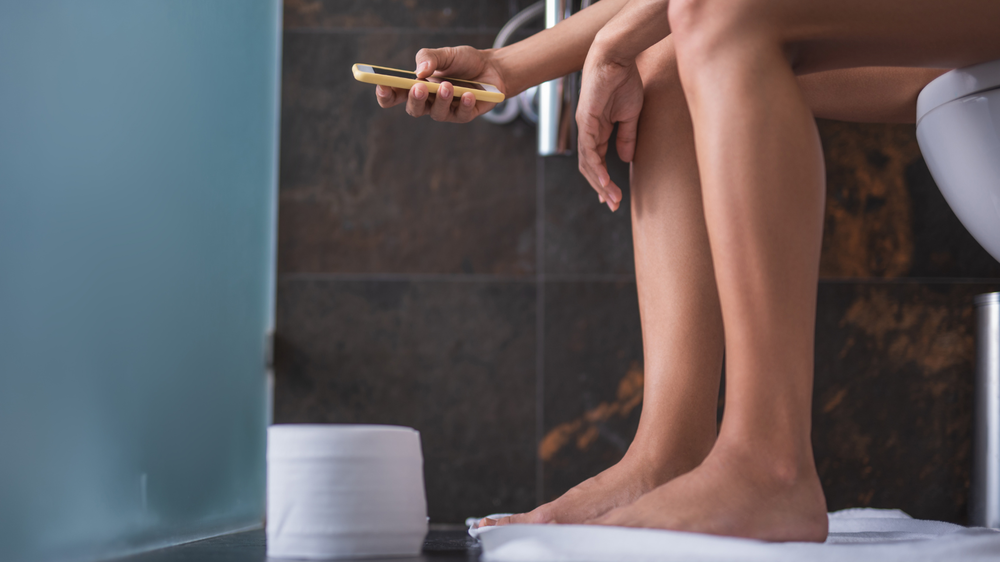
- Toilet Position: Poor toilet position increases strain and pressure on the anal canal and pelvic floor. Elevate the feet with a stool, bring the knees above the hips to mimic a squat, and relax the muscles for better stool passage. Rest the feet flat and hip wide, allowing the torso to lean forward.
- Breathing: Deep breathing from the belly expands the belly and relaxes the pelvic floor. During a stool expulsion, try to practice deep breathing. Slow, deep breaths reduce downward forces and strain.
- Pelvic Floor Relaxation: Practising pelvic floor exercise daily improves coordination and promotes pelvic health. Relaxing and coordinating the muscles helps with bowel movements.
- Physical Activity: Walking, prenatal yoga, and kegel exercises improve posture, breathing, and pelvic floor coordination, encouraging bowel movements. Brisk walking works like a colon massage, promoting stool passage and reducing bloating and urgency.
- Sitz Bath: Covering the hip and buttocks in warm water increases circulation and delivers oxygen and nutrients while reducing fissure and haemorrhoid pain.
- Timing Bowel Movement: The gastrocolic reflex increases after meals. Going to the toilet 30 minutes after a big meal triggers the gastrocolic reflex. Establish a routine to support bowel movement.
Skipping meals, staying awake, and limiting bowel frequency are dangerous for pregnant women. If pain persists, consult your doctor about stool softeners or a cream to apply for pain relief. Change your diet and increase your water intake for better bowel movements and relief from constipation.
Whether you’re pregnant, a new mom, or navigating postpartum, you don’t have to do it alone. Join our support group to connect, share, and support one another.
FAQs on Painful Bowel Movements in Pregnancy: 8 Constipation Relief Tips
- What month of pregnancy do you get constipated?
Constipation often starts in the first trimester and may continue for the rest of the pregnancy. Constipation happened mainly due to hormonal changes, digestion, a growing uterus, and mechanical pressure. During the first trimester, progesterone levels increase and relax smooth muscle, including that of the intestines, which slows bowel movements. During the second and third months, as the uterus grows, it increases pressure on the bowels, contributing to constipation. - Can a mother's constipation affect the baby?
Mother's constipation doesn't directly affect the fetus or lactating baby. Untreated constipation can cause discomfort and increase haemorrhoids. When mothers reduce or avoid certain foods, it may lead to poor nutrient absorption, which may affect the baby's growth.