In this article:
What Are Spider Veins?
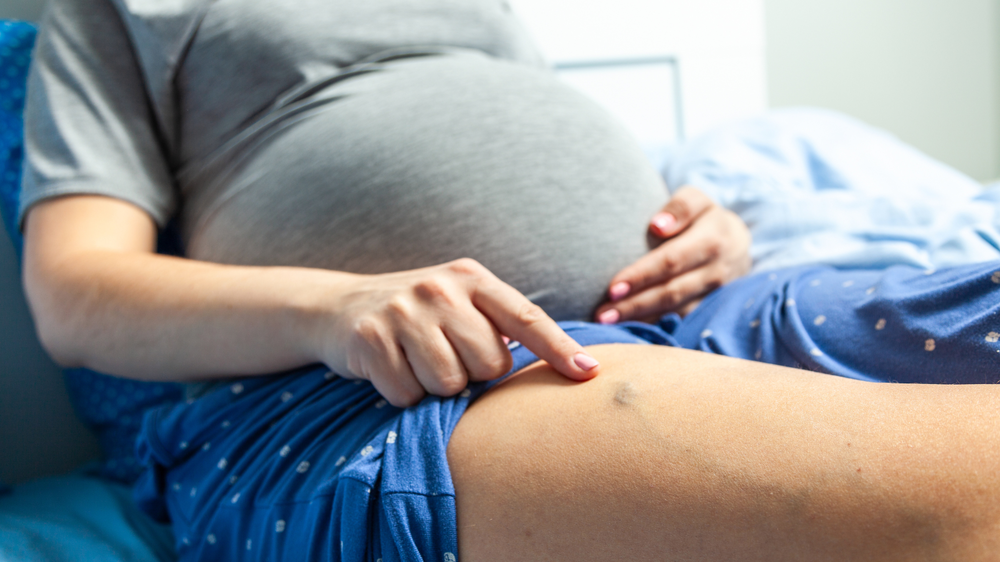
Spider veins are small, thin veins you can see near the surface of your skin. They often look like tiny branches or spider webs, which is how they got their name.They differ from varicose veins, which are larger, raised, and often bulge under the skin. Spider veins usually:
- Appear as fine red, blue, or purple lines
- Appear on the legs, ankles, or occasionally on the face.
- They usually don’t hurt, but sometimes they can cause mild itching or discomfort.
Why Do Spider Veins Appear During Pregnancy?
Pregnancy changes your blood flow, hormone levels, and body weight. All of these affect how your veins work.Here’s what’s happening inside your body:
- Increased Blood Volume: Your body makes up to 40 to 50 per cent more blood to support your baby. This extra blood puts more pressure on your veins, especially in your legs.
- Hormonal Changes: Higher progesterone levels relax your vein walls, which makes them stretch more easily and become more visible.
- Pressure from the Uterus: As your uterus grows, it gently presses on the veins in your pelvis. This slows down blood flow from your legs back to your heart.
- Genetic Predisposition: If your close family members had spider or varicose veins during pregnancy, you may be more likely to get them too.
- Lifestyle Factors: Standing for long periods, sitting with your legs crossed, or not moving much can make spider veins more noticeable.
When Do Spider Veins Usually Appear?
Spider veins tend to show up:- In the second or third trimester, when blood volume peaks.
- Earlier if there’s a family history or if multiple pregnancies have occurred.
- They may appear slowly and become more noticeable as your pregnancy goes on.
How to Manage and Prevent Spider Veins Naturally
Although spider veins usually fade after delivery, you can take simple steps to reduce their appearance and boost your circulation during pregnancy.1. Keep Moving
- Walk or stretch regularly—even short walks around your home can help.
- Avoid sitting or standing still for too long.
- Gentle prenatal yoga can boost blood flow safely.
Whenever possible, rest your legs on a cushion or stool.
Raising your legs helps your veins move blood back to your heart more easily.
3. Sleep on the Left Side
- Sleeping on your left side takes pressure off the main vein that carries blood from your lower body.
- It also helps improve blood flow to your baby.
- Don’t wear tight waistbands or socks with tight elastic tops.
- Choose loose, breathable clothes to help your blood flow better.
- Drink lots of water every day.
- Eat foods high in vitamin C, such as citrus fruits, and fibre. These help strengthen your veins and prevent constipation, which can put extra pressure on your veins.
- Try to eat less salt to help prevent swelling.
- Steady, healthy weight gain is important for both you and the baby.
- Sudden or excessive gain may increase strain on leg veins.
- Gently massage your legs with upward strokes to help ease tension.
- Applying a cool compress helps reduce minor swelling and discomfort.
Post-Pregnancy: What Happens to Spider Veins?
Most spider veins slowly fade after childbirth, usually within three to six months. As your hormones balance out and your circulation gets better, the veins often shrink and become less visible.If your spider veins don’t go away or cause discomfort, talk to a healthcare professional. Treatments like laser therapy or sclerotherapy can be options after pregnancy and breastfeeding, but only with medical advice.
Listening to What Your Bodys Saying
During pregnancy, your body is always sending you signals. Every ache, stretch, or visible change is part of your body’s growth and adjustment. Spider veins are just one sign of how your body is working to support new life.By keeping your blood moving and staying active, you help prevent visible veins and support your overall health during this special time.
Spider veins during pregnancy are normal and usually harmless. They happen because of hormonal changes, more blood in your body, and extra pressure on your veins. Most fade after delivery, but healthy habits like moving, drinking water, and eating well can help reduce them.
If you notice pain, swelling, or changes in colour with your spider veins, it’s best to get medical advice. Recognising these signs helps you see just how adaptable your body really is.
FAQs on Pregnancy and Spider Veins: Understanding the Signs and Staying Comfortable Naturally
- Can spider veins return in future pregnancies?
Yes, spider veins can reappear in later pregnancies because the same circulatory and hormonal changes occur again. Each pregnancy increases blood volume and vein pressure, making recurrence possible. However, staying active, elevating the legs, and maintaining a balanced diet can reduce their visibility and discomfort over time. - Can spider veins during pregnancy lead to varicose veins later?
Sometimes, if the veins are under continuous pressure or if there’s a strong family history, spider veins may progress into varicose veins. While both conditions involve weakened vein walls, varicose veins are larger and more pronounced, often appearing bulging. Early prevention—through movement, hydration, and mindful posture—can effectively protect vein health.